In March 2024, the Bannock County Commission in southeast Idaho enacted a controversial ordinance banning utility-scale wind and solar developments. The 2–1 vote pitted neighbor against neighbor, sidelined multi-million-dollar clean energy proposals, and made the county part of a growing national trend of rural communities hitting the brakes on green energy expansion.
Fast forward to the present: that foundational policy stance is on the verge of collapsing. Driven by soaring regional electricity demands, severe climate-fueled droughts crippling traditional family farms, and a passionate push for economic diversification, the county is preparing to vote on a comprehensive new land-use ordinance. This revised policy would not only reopen the valley to solar and wind projects but also integrate advanced nuclear energy infrastructure.
Bannock County serves as a bellwether for rural America. It illustrates the visceral friction that occurs when abstract national energy transitions collide with deeply held rural values, economic survival, and the sacrosanct defense of private property rights. As commissioners prepare to cast votes on a framework that could welcome both utility-scale solar and next-generation nuclear tech, the region stands at a defining crossroads.
Detailed Chronology: From First Sparks to Policy Reversal
The Spark (Fall 2023)
The sequence of events leading to Bannock County’s regulatory turbulence began in late 2023. Fresh from attending an Idaho Association of Counties conference in Boise—where the massive, 1-gigawatt Lava Ridge Wind Project dominated discussions—County Commissioner Jeff Hough grew concerned. Observing that Bannock County lacked any comprehensive zoning regulations for utility-scale generation, Hough realized incoming developers like Chicago-based Hecate Energy and Utah-based Balanced Rock Power would face an unregulated landscape.
Seeking time to draft responsible land-use policies rather than an outright ban, Hough spearheaded a unanimous 6-month temporary moratorium on October 12, 2023.
The Backlash and the Ban (March 2024)
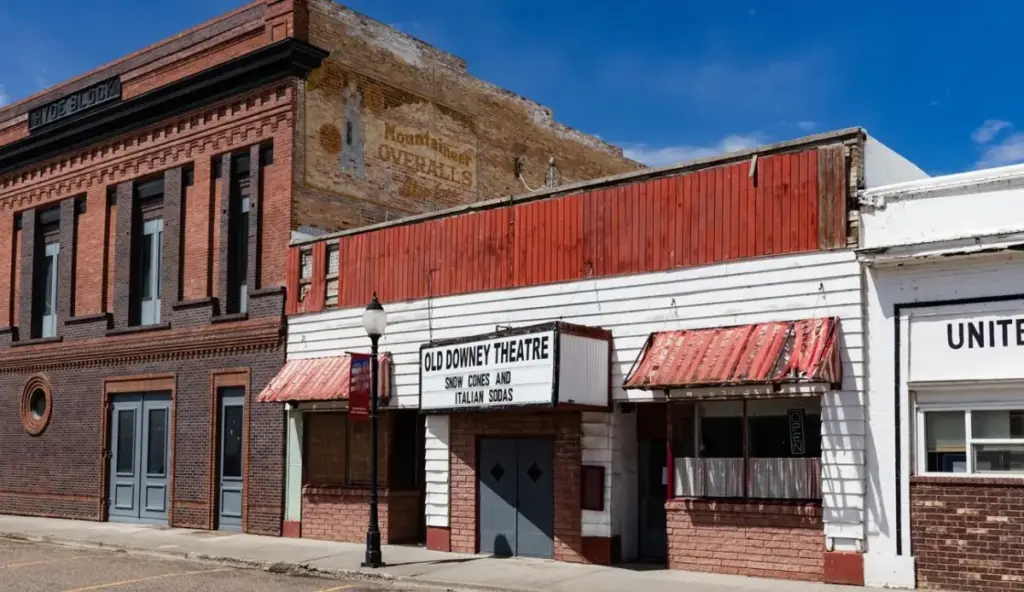
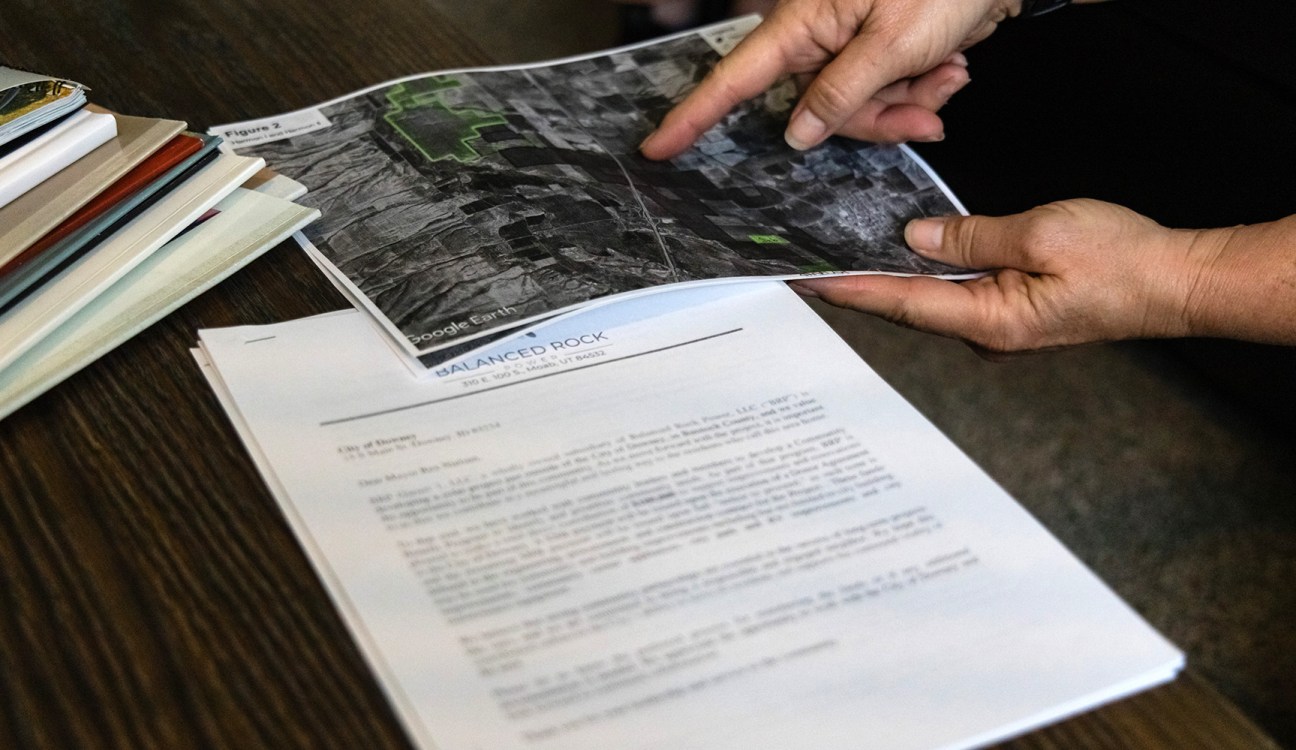
Hough’s administrative pause, however, catalyzed a powerful grassroots movement among rural residents in south Bannock County. Led by local landowners like Rebecca Falcon and Dez Hauser—who had been approached to lease their land for Balanced Rock’s proposed Harmon Solar Project—a fierce anti-solar coalition emerged.
By February 2024, public interest outgrew the county courthouse, forcing a relocation to a packed local high school auditorium. Speaker after speaker voiced vehement opposition to large-scale renewables, citing fears of agricultural displacement and visual pollution.
When the commission reconvened in March 2024 to vote on the moratorium’s future, the fracture was absolute. Hough voted to repeal it, arguing for individual property rights, but his two fellow commissioners voted to extend it. The prolonged paralysis culminated in an effective ban on utility-scale solar and wind. Developers pulled out of the county entirely, leaving local farming proponents like Dale Lish and Lytton Bastian—who had sought reliable non-agricultural income—empty-handed.
The Shift and the Path Forward (2025–Present)
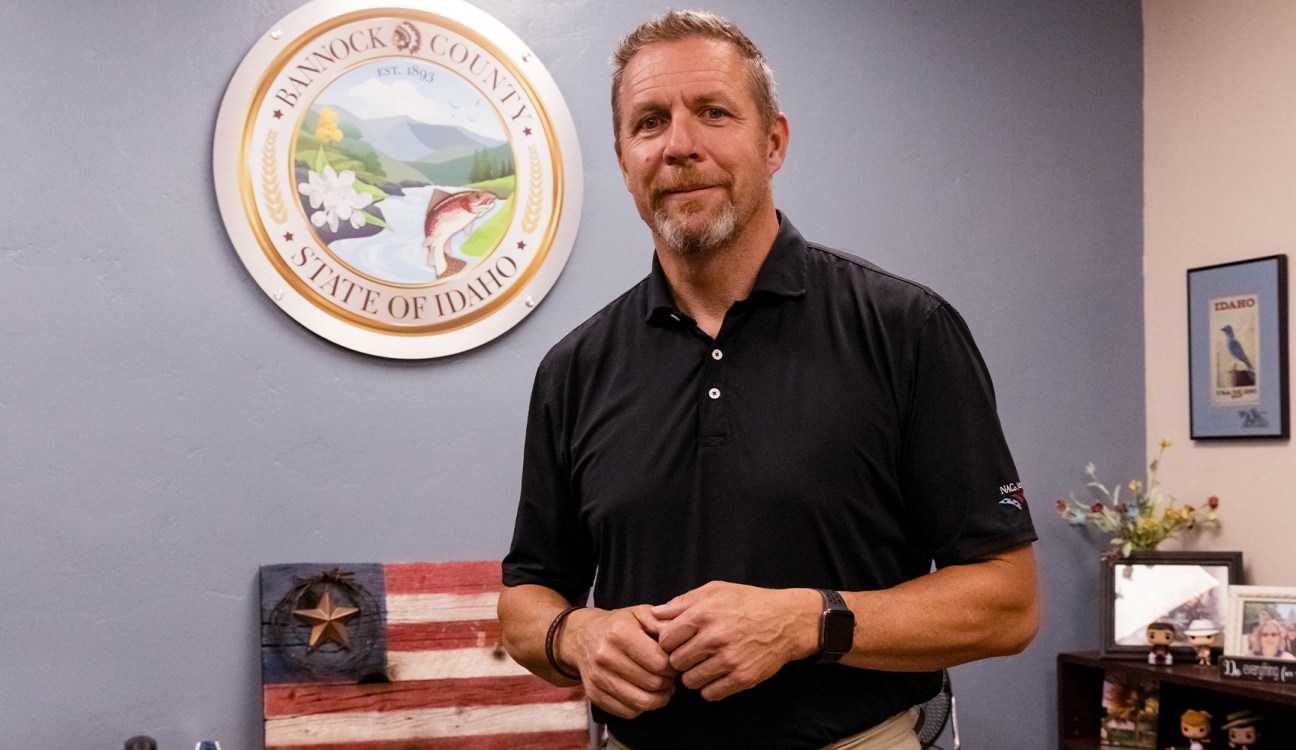
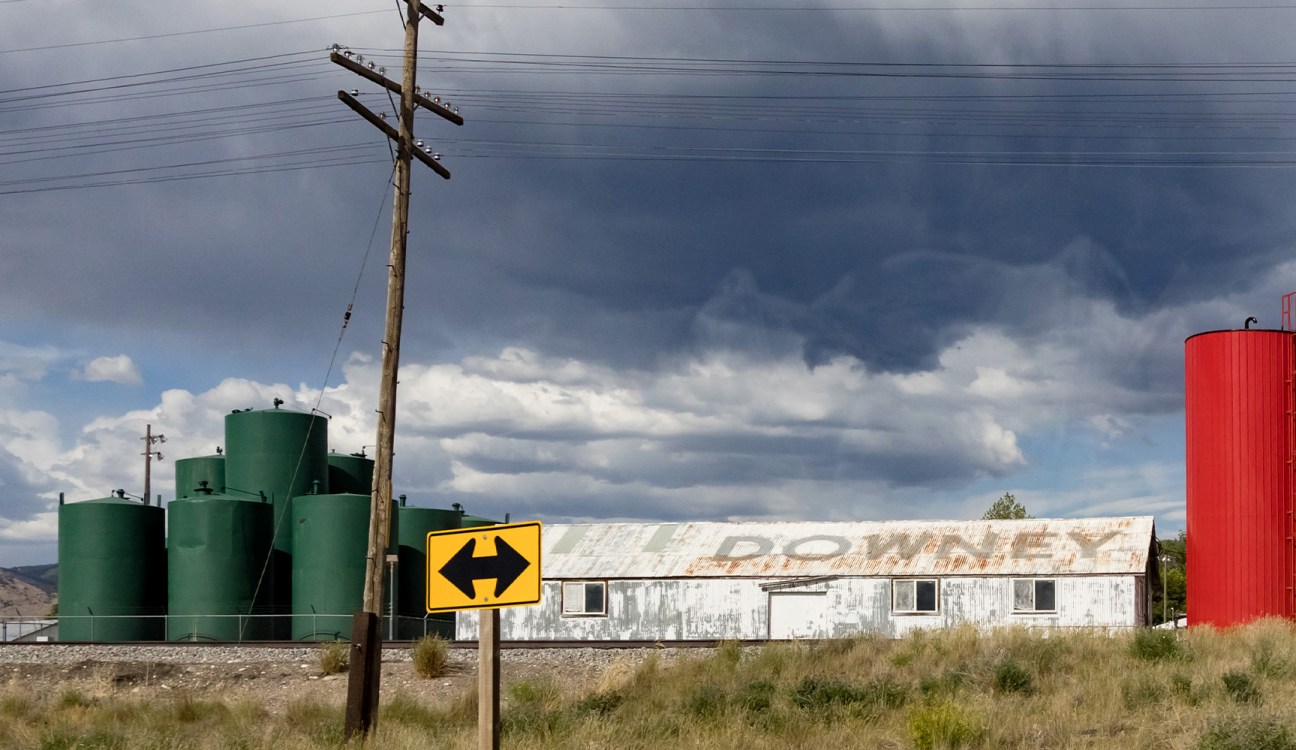
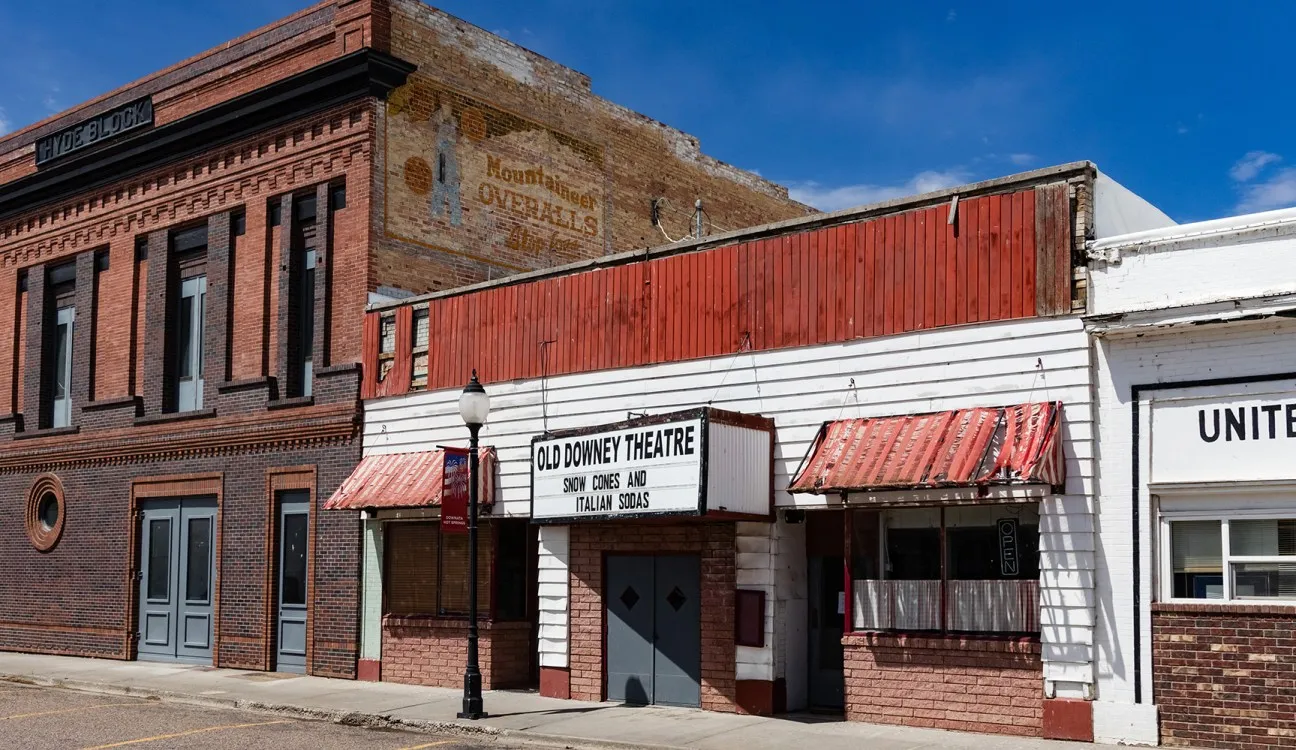
Following the 2024 vote, Hough doubled down on his advocacy for private property rights and energy literacy. Defeating a primary challenger from the anti-solar stronghold of Downey, Hough ascended to commission chair.
Simultaneously, changing economic pressures and unprecedented public enthusiasm for nuclear energy—bolstered by proximity to the Idaho National Laboratory (INL)—paved the way for compromise. This fall, Hough and the commission are set to review and vote on a completely overhauled land-use and development ordinance. The draft language permits wind and solar development under strict regulatory guardrails, alongside a newly embraced path toward nuclear integration.
Supporting Context & Metrics: The National Landscape and Local Realities
The National Trend of Clean Energy Restrictions
Bannock County’s initial ban mirrors a wider national shift. According to an extensive data analysis by The Daily Yonder and Canary Media, utilizing metrics from USA Today and Columbia University’s Sabin Center for Climate Change Law, nearly 1 in 4 U.S. counties imposed some form of ban, moratorium, or legal impediment to clean energy development by 2025 (up from 15 percent in 2023). Crucially, more than 60 percent of these restrictive counties are rural.
Power Deficits and Strategic Geography
Bucking this restrictive trend is critical for Idaho’s immediate economic future. Idaho Power, the state’s principal utility, projects a staggering 1-gigawatt leap in electricity demand by 2030—a 26 percent increase over current capacity.
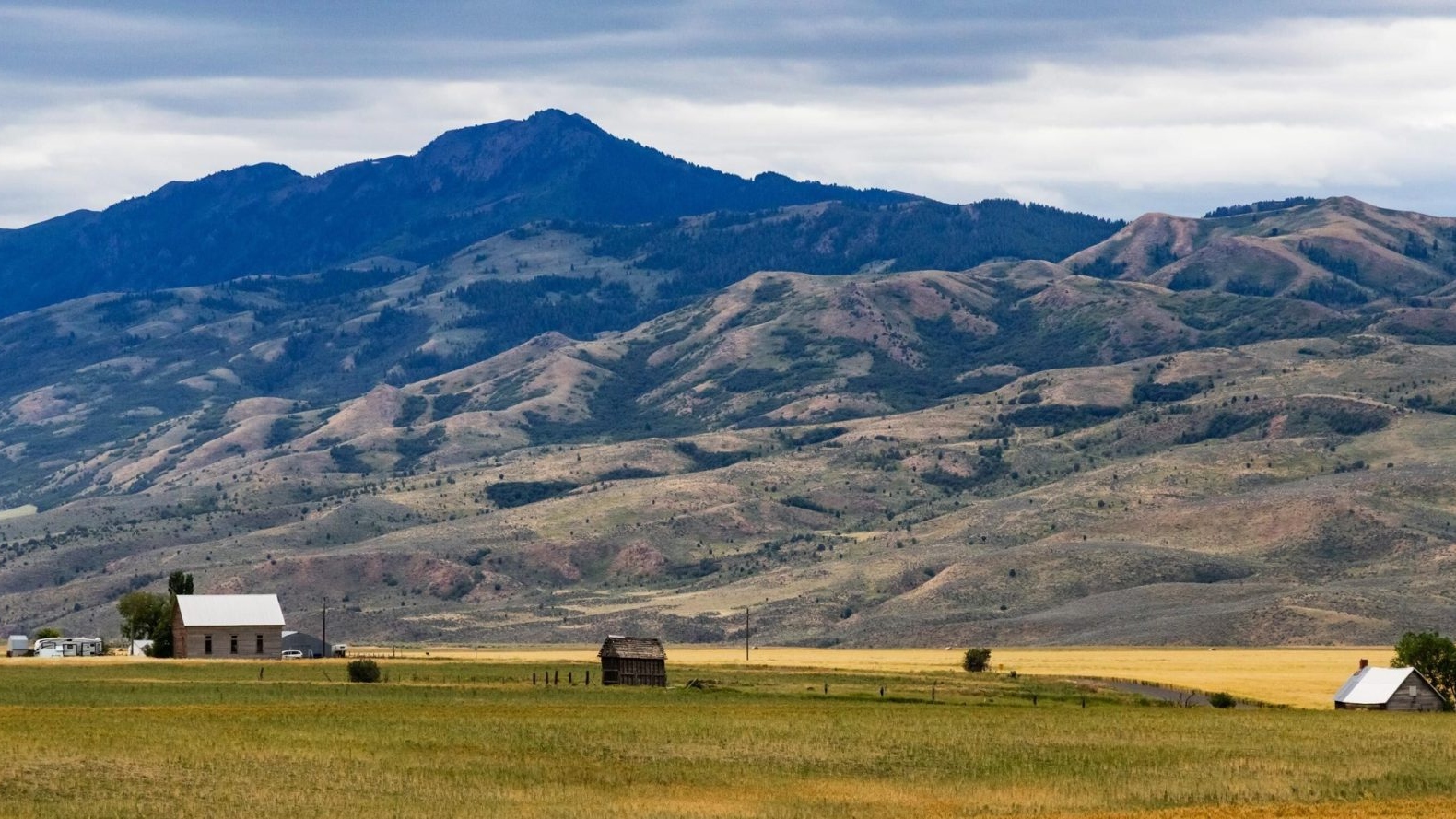
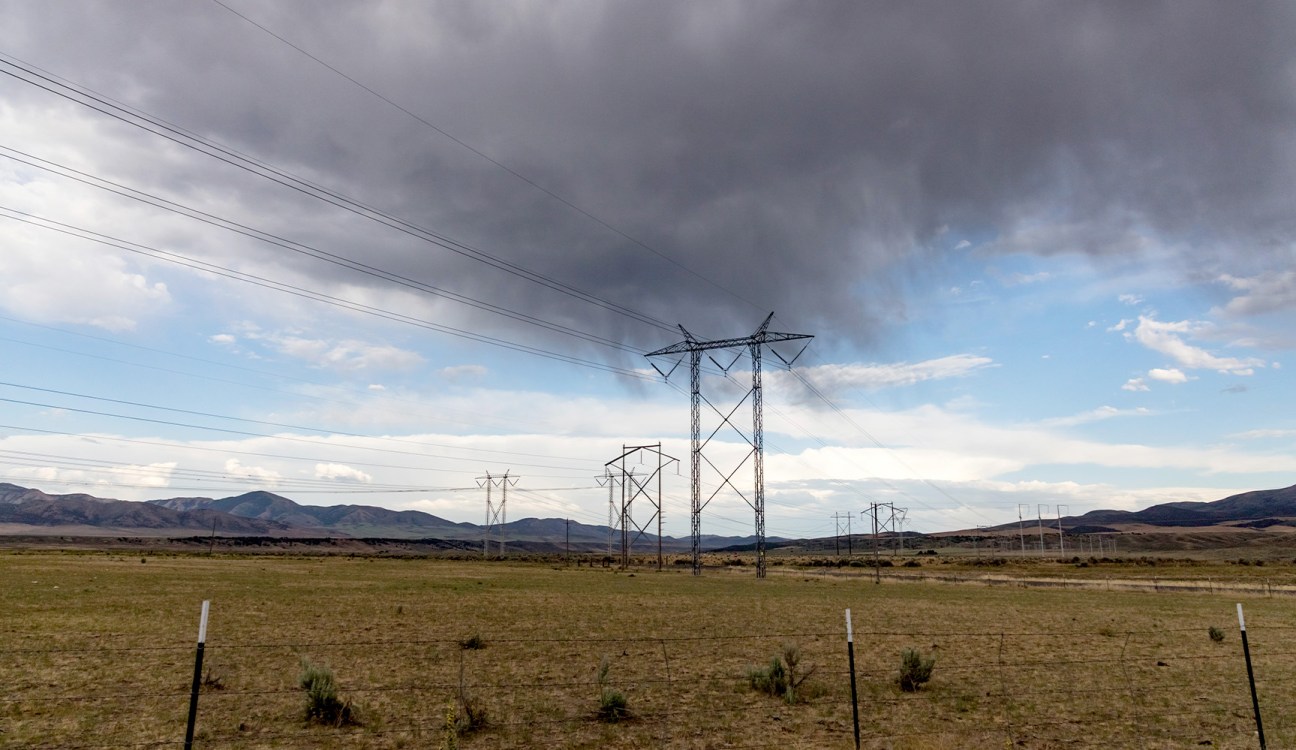
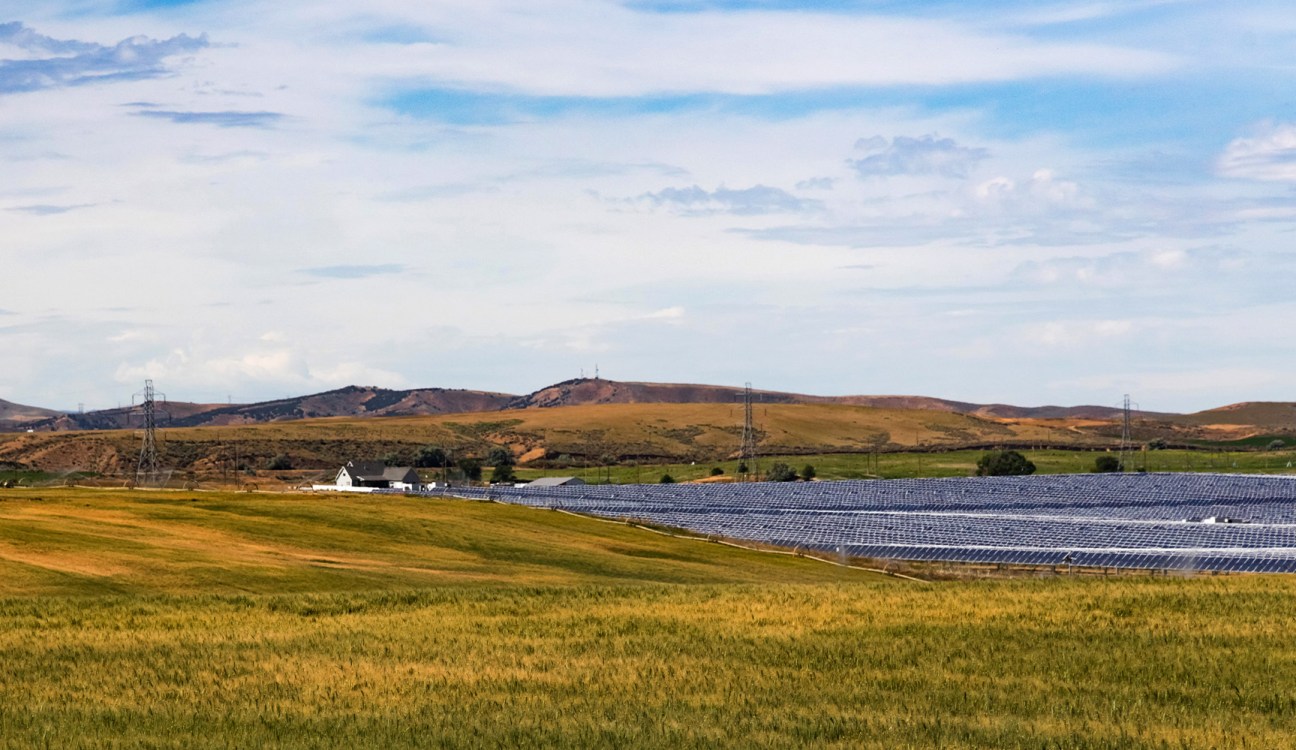
Bannock County is geographically positioned to help solve this regional deficit. Nestled in a valley near Pocatello, the county hosts the Populus substation, a pivotal high-voltage convergence point feeding electricity across Utah, Wyoming, Idaho, and the Pacific Northwest. Developing generation assets near existing substations minimizes transmission costs, ultimately driving down utility bills for consumers.
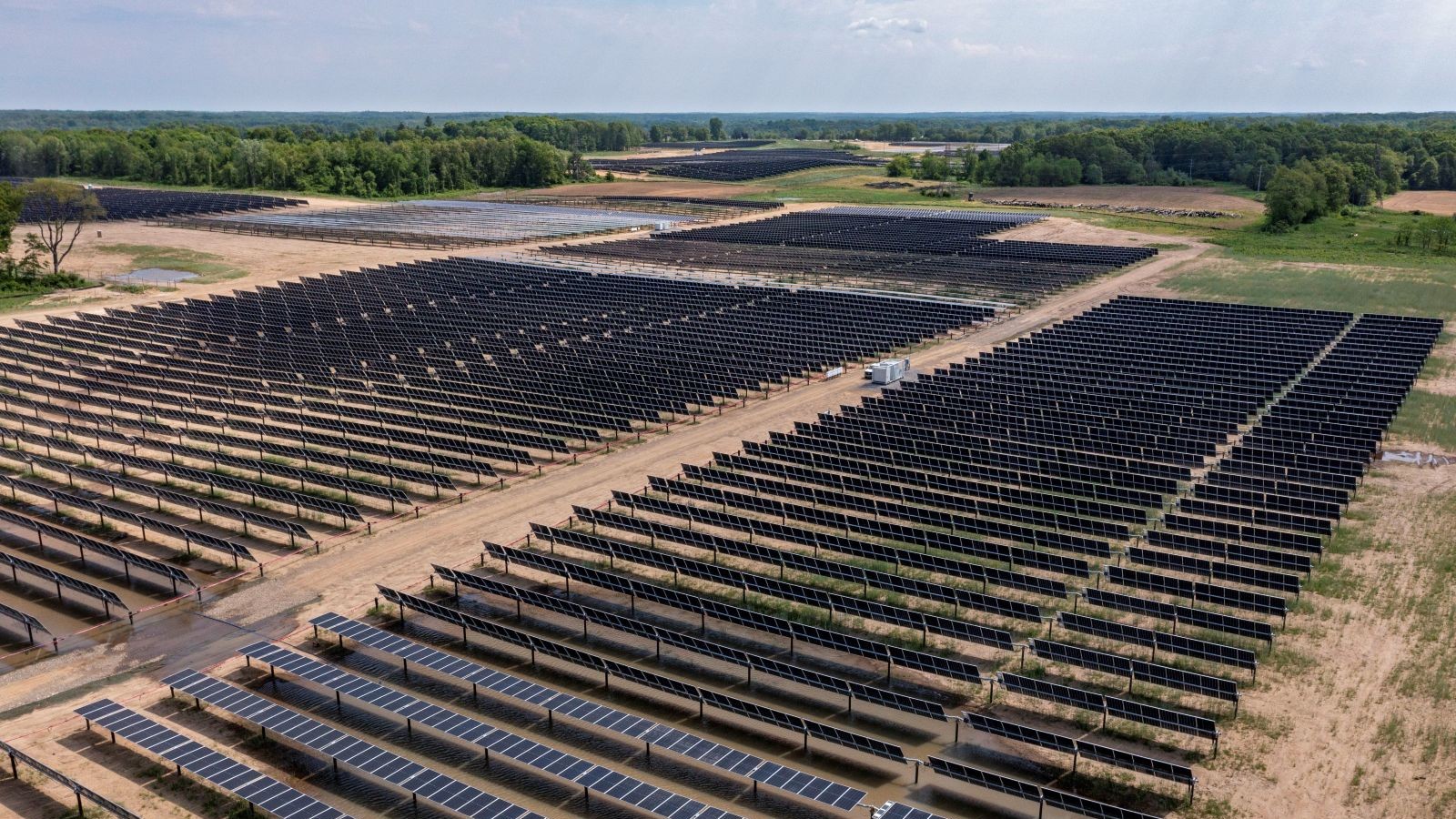
Neighboring counties provide concrete proof of the financial upside. In 2024, operational clean energy assets generated $909,000 in tax revenue for Power County and $639,000 for Bingham County, funds that rural municipalities desperately need to restore shuttered hospitals, grocery stores, and essential services.
Climate Pressures on Family Farms
At the micro-level, rural agricultural communities are undergoing a slow-motion economic crisis. Decades of climate-driven drought and record-low snowpacks have severely degraded dryland farming. More than 87 percent of Bannock County has recently experienced extreme drought conditions.
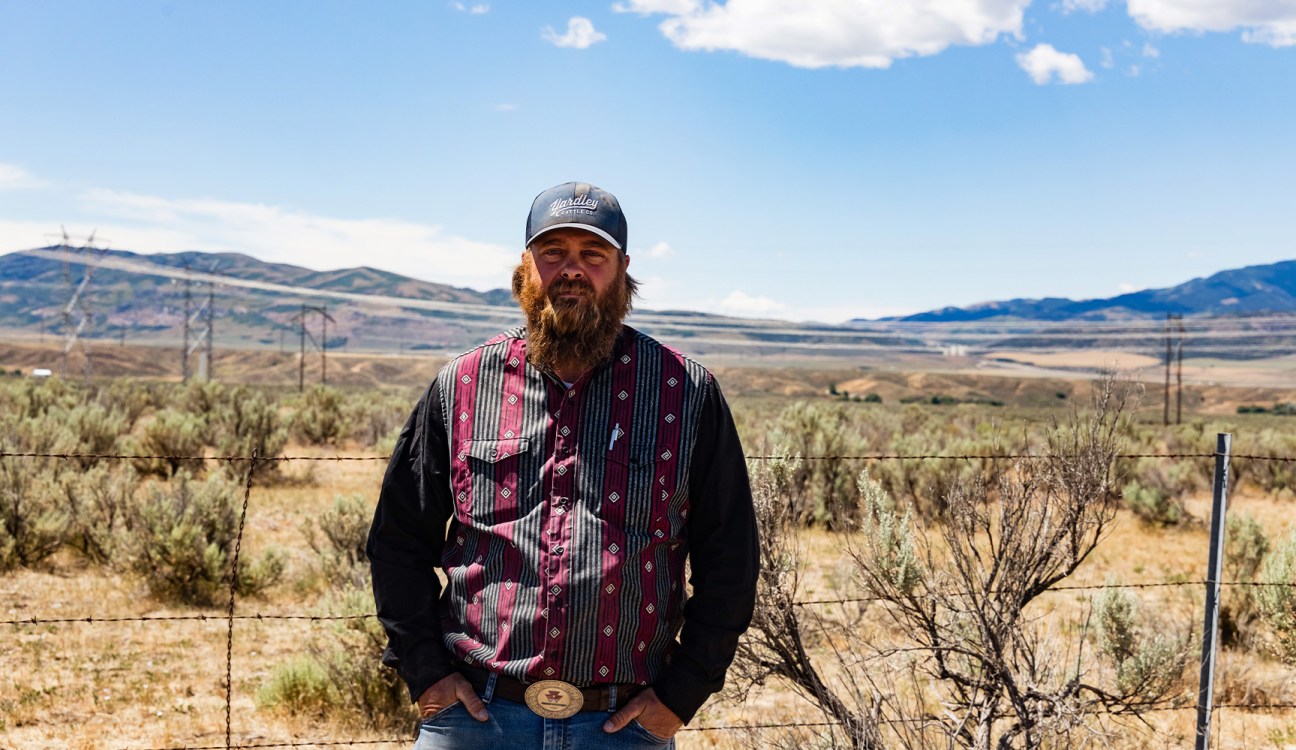
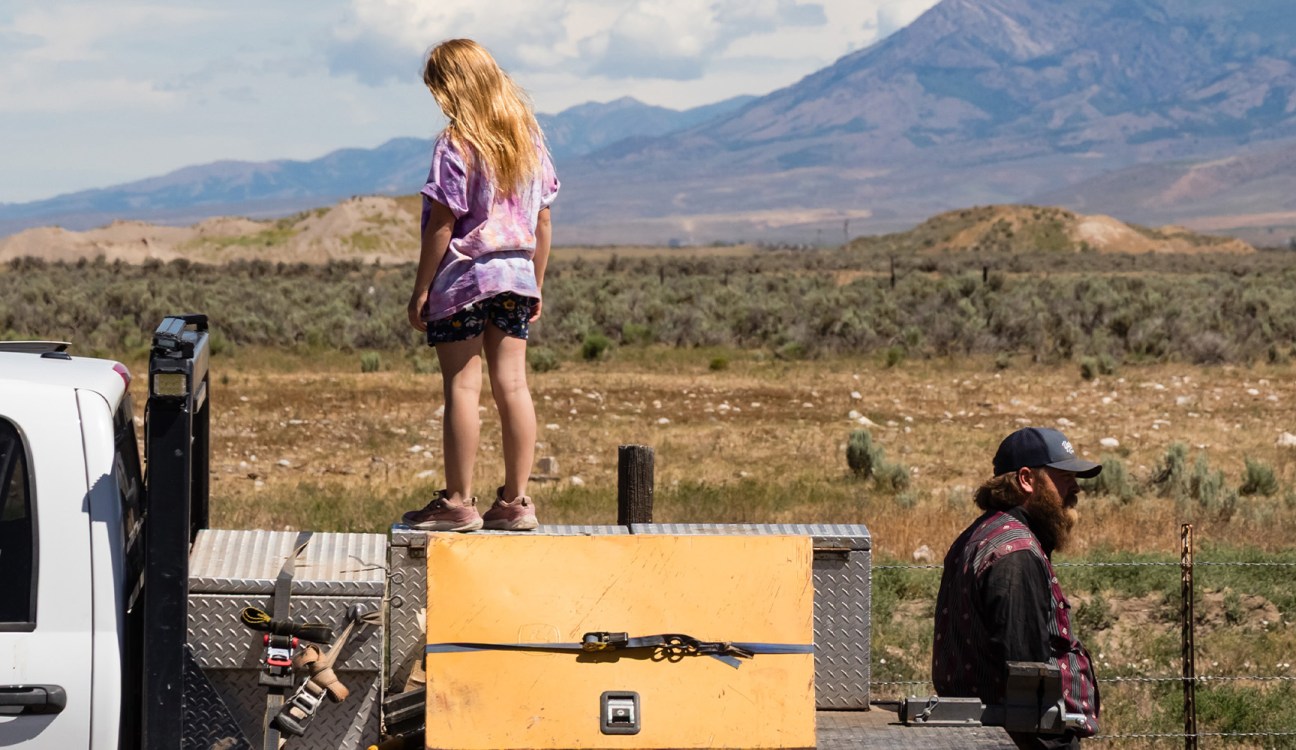
Farmers like Steve Criddle and Dale Lish, whose families have worked the soil for generations, note that traditional dryland wheat and un-irrigated alfalfa yields have plummeted. With unassisted grain farming no longer viable, leasing un-productive or marginal sections of land for clean energy projects represents a lifeline. Solar lease projections offer per-acre revenues four to five times higher than wheat farming alone, providing a stable financial cushion to protect family farms for future generations.
Official Statements and Stakeholder Perspectives
The debate in Bannock County is defined by sharply contrasting philosophies regarding land stewardship, community identity, and economic progress:
Commissioner Jeff Hough, advocating for property rights and pragmatism:
"We cannot deny the entire county the opportunity to exercise their property rights. That goes against the principles this country was founded on… Rural America is in a transition state. How do we make or help rural America transition to this new way of life, so that they can thrive and prosper?"
Rebecca Falcon, leader of the south Bannock opposition, highlighting aesthetic and long-term concerns:
"My biggest issue is that it’s all ag land. They’ll take the grain; they’ll take the hay; they’ll take the cattle; they’ll take it all… The public has a right to know this will change this valley for 50 years. We will have left that mess to our children and grandchildren."
Aaron Menenberg, Idaho policy manager for Renewable Northwest:
"The need to build stuff now is critical to Idaho’s economic future. We can’t afford to say no to anything."
Steve Criddle, third-generation farmer facing the realities of climate change:
"We don’t get enough moisture anymore… I don’t want my kids to have to work this hard."
Future Outlook: The Nuclear Compromise and the Road Ahead
As the Bannock County Commission prepares for its critical vote on the updated land-use ordinance this fall, the geopolitical and technological dynamics within the county have shifted dramatically. While opposition to solar remains potent in agrarian hubs like Downey—where residents worry about industrial footprints, battery safety risks, and decommissioning accountability—a powerful unifying factor has entered the conversation: nuclear energy.
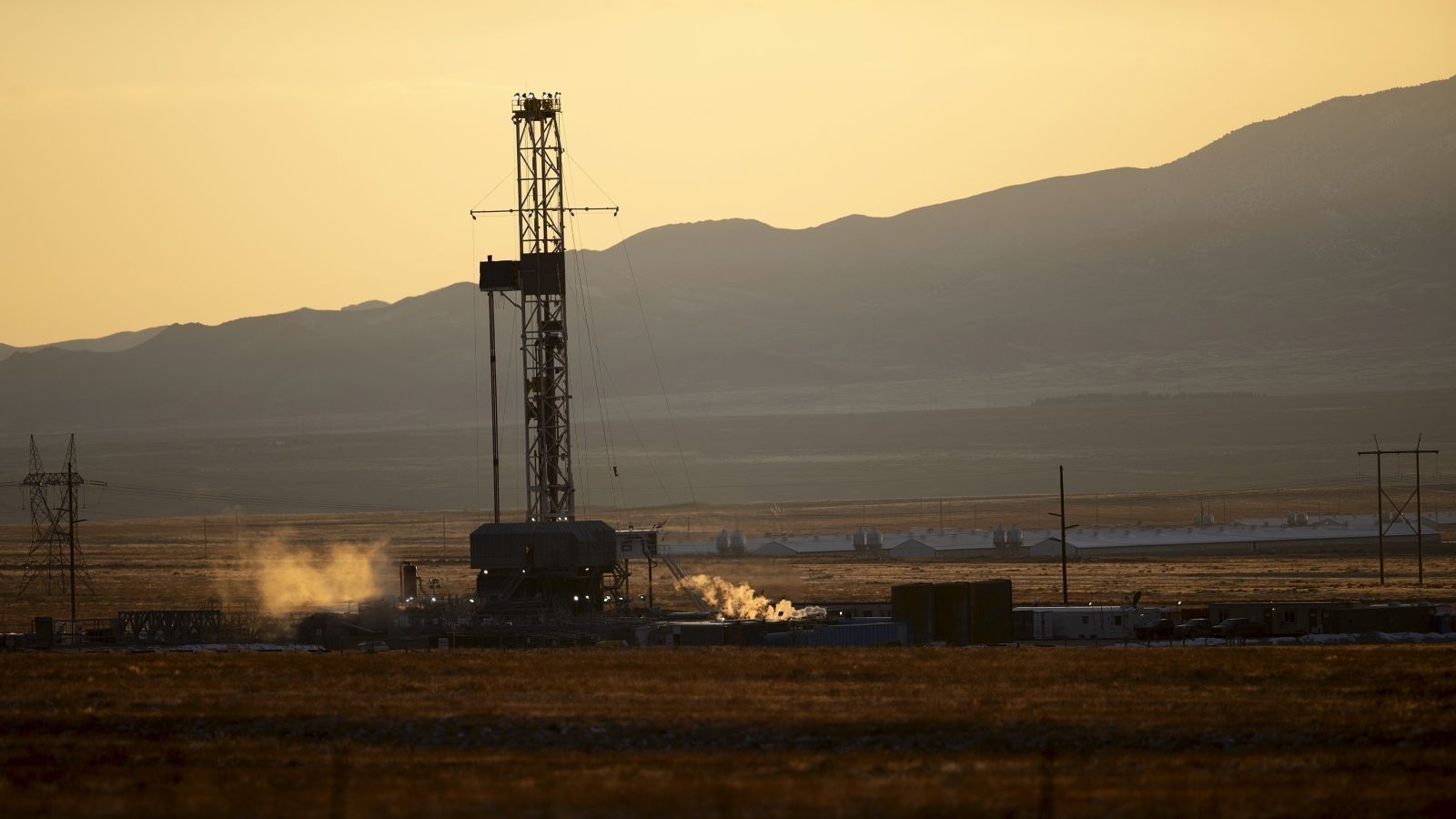
A public survey conducted by the county revealed that an astonishing 90 percent of local respondents held favorable views toward nuclear energy. Capitalizing on this consensus, county leaders have leaned into the region’s proximity to the Idaho National Laboratory and cutting-edge advanced reactor initiatives (such as Bill Gates-backed TerraPower’s project in neighboring Wyoming).
Proponents like Commissioner Ernie Moser—who originally voted for the 2024 ban out of deep-seated concerns over fire safety and site cleanup—now view the updated regulatory framework as a carefully balanced approach. The new draft ordinance incorporates strict developer mandates, requiring financial bonding, comprehensive decommissioning plans to restore land to pre-construction conditions, and mandatory local fire department training and safety equipment funding for battery installations.
While true commercial scalability for small modular reactors (SMRs) remains years away, Commissioner Hough maintains a bridge-building philosophy:
"Everybody’s claiming nuclear is the future, which it is, but nuclear is 10 years away, maybe, so you’ve got to have something to help get you there."
Bannock County’s upcoming decision will determine more than just the fate of the Harmon Solar Project or the text of a local zoning code. It will test whether rural American communities can successfully navigate their internal divisions, balance private property rights against community preservation, and adapt their energy landscapes to survive a rapidly changing world.