

Executive Overview
The compounding impacts of an unprecedented meteorological summer have dramatically altered the landscape of rural Britain, exposing hidden environmental challenges that usually remain shielded beneath layers of water. In the north Shropshire market town of Ellesmere, a severe and prolonged period of high temperatures and critically low rainfall has triggered a significant drop in water levels at the town’s most prominent natural landmark, the Mere. While environmental scientists and agricultural authorities view the drought with growing alarm regarding water security and ecosystem stability, the receding waterline has inadvertently presented a unique opportunity for local conservationists.
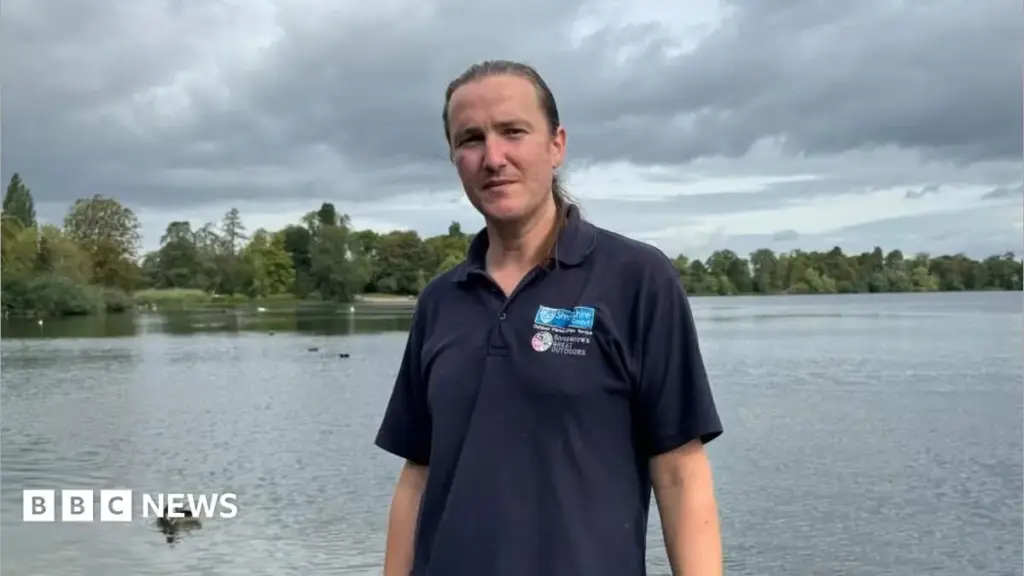
Seizing this narrow window of opportunity, Ellesmere park ranger Lee Fraser mobilized a dedicated team of local volunteers to launch an intensive, ground-level cleanup operation directly within the lakebed itself. Armed with wading gear, buckets, and determination, the community group has retrieved a startling array of discarded debris accumulated over decades—ranging from modern electronics to historical pottery fragments and heavy construction materials.
This journalistic investigation explores the convergence of extreme weather phenomena and community-led environmental stewardship in Shropshire. By examining the methodology of the cleanup, the broader ecological implications of the 2023–2024 drought cycles, and the persistent human impact on protected freshwater habitats, this report details how a climate anomaly has brought long-hidden municipal litter to the surface, prompting urgent conversations about conservation, civic responsibility, and the resilience of Britain’s inland waterways.
Detailed Chronology
The Summer of Extremes: A Timeline of Receding Waters
The transformation of the Ellesmere Mere did not happen overnight; it is the culmination of months of persistent meteorological pressures. Throughout the spring and summer seasons, the United Kingdom experienced a relentless succession of heatwaves coupled with cumulative rainfall deficits. According to meteorological archives, this period ranks among the hottest and driest summers on record, placing immense strain on hydrological systems nationwide.
As evaporation rates soared and groundwater recharge stalled, water bodies across the Midlands and the wider UK began to exhibit distress signals. Rivers shrunk to narrow trickles, reservoirs dipped to concerning capacities, and natural glacial and kettle-hole lakes—such as the famous meres of north Shropshire—saw their perimeters shrink dramatically.
By mid-summer, the visual impact at Ellesmere was undeniable. The shoreline had retreated several feet outward, exposing muddy banks, historical silt layers, and an assortment of submerged foreign objects that had remained hidden from view for years. Recognizing both the environmental hazard these items posed and the logistical advantage provided by the shallow margins, park management began planning a targeted intervention.
Deployment and Discovery: Inside the Lakebed Operation
The operation commenced early in the morning under the supervision of park ranger Lee Fraser. Moving away from traditional surface-level watercraft deployment methods utilized in previous years, Fraser made the tactical decision to put volunteers directly into the exposed lakebed and shallow waters.
The methodology proved immediately effective. Working in less than an hour, the team of volunteers combed a designated sector near the town’s popular promenade. The results were both staggering and sobering. Within sixty minutes, the team had amassed a collection of heavy debris that quickly overwhelmed conventional cleanup estimates.
According to Fraser, the initial sweep yielded "five big bucket loads" of debris in a remarkably short timeframe. Laid end-to-end, the retrieved objects spanned half the total distance of the town’s prominent promenade—a stark visual testament to the sheer volume of material resting just beneath the surface of the water.
Supporting Context & Metrics
The Ecology of the Shropshire Meres
To understand the significance of the Ellesmere cleanup, one must examine the unique ecological classification of the region. The north Shropshire meres and mosses form a nationally and internationally important wetland complex. Formed more than 10,000 years ago during the retreat of the Devensian ice sheet, these kettle-hole lakes are deep, glacially carved basins supporting rare aquatic flora, specialized macroinvertebrates, and diverse avian populations.
The Ellesmere Mere, the largest of the meres in the area, is a heavily utilized public amenity bordered by managed parkland, historic gardens, and the town’s urban interface. This close proximity between dense human activity and a fragile aquatic ecosystem creates a persistent management challenge. While the upper water column is carefully monitored for nutrient loading, algal blooms, and invasive species, the benthic zone—the ecological region at the very bottom of the body of water—often acts as a silent repository for accidental drops, deliberate dumping, and historical refuse.
Categorizing the Recovery: What Lies Beneath
The items extracted by Fraser and his volunteer corps provide a tangible cross-section of decades of human interaction with the lake. The inventory of retrieved debris can be categorized into three distinct tiers:
- Modern Technological Waste: Among the most concerning finds were discarded mobile phones and electronic devices. These items not only represent unsightly litter but also pose chemical hazards, as degrading batteries can leach heavy metals such as lithium, lead, and cadmium directly into the sediment.
- Construction and Municipal Debris: Heavy items, particularly bricks and masonry fragments, dominated the haul. These materials likely originate from historic shoreline landscaping, pathway erosion, or unauthorized disposal over decades. Their presence on the lakebed can alter localized water flow, trap organic matter, and create artificial barriers for bottom-dwelling aquatic life.
- Domestic and Historical Artifacts: Fragments of pottery, glass bottles, and household utensils were also recovered. While some of these items carry historical or archaeological curiosity, their accumulation alters the natural composition of the lakebed silt and poses physical risks to wading wildlife and recreational water users.
Official Statements & Local Perspectives
Ranger Lee Fraser on Methodological Shifts
Refining the cleanup strategy was a critical factor in the operation’s success, according to park ranger Lee Fraser. In an interview detailing the logistics of the event, Fraser contrasted this year’s hands-on approach with the limitations of previous attempts.
"We tried it last year from a boat," Fraser explained, highlighting the frustration of surface-level recovery. "When you stand on the bank, you can see all the bricks through the water. But once you are in the water, on a boat, even if you are right next to them and someone’s shouting that it’s right next to you, you cannot find the object."
The optical distortion caused by water surface refraction, combined with boat drift and turbidity stirred up by movement, had previously rendered boat-based recovery inefficient. By stepping directly into the receding shallows, volunteers eliminated the parallax error of viewing objects from an elevated or floating vantage point.
"There are quite a lot of bricks out on the side now already, and we have only been at it less than an hour," Fraser noted, pointing to the rapidly growing mound of retrieved waste lining the shore. The immediate accessibility transformed what was previously an elusive underwater scavenger hunt into a highly productive physical extraction.
Community Mobilization and Civic Pride
The initiative underscored the deep connection between the residents of Ellesmere and their local environment. Despite the physical demands of wading through thick silt and lifting waterlogged, heavy debris, local volunteers turned out in force. For many participants, the cleanup offered a direct way to counteract feelings of helplessness in the face of broader environmental crises like climate change and regional drought.
Local civic leaders have praised the collaborative effort, noting that public participation is vital for maintaining the aesthetic and ecological health of the Mere. The visible removal of hazardous waste not only safeguards local wildlife—such as swans, ducks, and fish that can become entangled in or injured by submerged debris—but also enhances the visitor experience for tourists and residents who frequent the promenade.
Future Outlook
Climate Resilience and Long-Term Water Management
As meteorologists and climate scientists project an increase in the frequency and intensity of extreme weather events across the British Isles, local authorities must look beyond temporary cleanup measures. The drought conditions that exposed the Ellesmere lakebed are part of a broader pattern of shifting precipitation and temperature baselines.
For water bodies like the Mere, long-term resilience planning will require integrated strategies involving:
- Enhanced Watershed Management: Protecting feeder streams and managing surrounding agricultural and urban run-off to maintain baseline water tables during dry periods.
- Regularized Benthic Audits: Establishing scheduled monitoring protocols for the lakebed, utilizing periods of seasonal drawdown to conduct systematic environmental maintenance rather than relying on emergency interventions.
- Public Education Campaigns: Addressing the root cause of the litter problem through targeted messaging aimed at reducing accidental loss and illegal dumping along public promenades and park boundaries.
Preparing for the Return of Normal Water Levels
The current window of exposure is, by its very nature, temporary. When autumn and winter weather systems eventually restore normal rainfall totals and replenish the catchment basin, the waters of the Ellesmere Mere will rise once again, covering the muddy banks and submerging the littoral zones.
However, the legacy of this historic drought will endure in the cleaner, safer condition of the lakebed. The proactive efforts of Lee Fraser and his volunteer corps demonstrate that even amidst environmental adversity, communities can harness unexpected challenges to drive meaningful, positive change. As Ellesmere looks toward the future, the lessons learned from the exposed depths of the Mere will serve as a foundational guide for balancing public enjoyment with rigorous environmental stewardship.



