Every garden holds a silent cast of characters—plants that do the heavy lifting of ecological support, structural softening, and seasonal resilience, yet rarely command the cover of glossy horticultural magazines. While headline acts like exotic orchids, meticulously bred roses, and towering dahlias often steal the spotlight, a vast community of understated flora forms the true backbone of vibrant, sustainable landscapes.
In a recent comprehensive community outreach initiative conducted in July 2026, gardening enthusiasts across the globe weighed in on their personal favorites through an extensive digital shout-out. While the submissions spanned an eclectic spectrum—from dramatic heucheras and specialized carnivorous species to delicate ferns, hellebores, and cosmos—five distinct plants emerged from the consensus, capturing the collective imagination of green thumbs everywhere.
Far from being mere background foliage or accidental weeds, these five selections—the Mexican fleabane, the common daisy, London pride, the hardy geranium, and the humble dandelion—offer masterclasses in low-maintenance resilience, wildlife sustenance, and effortless aesthetic charm. This report explores the ecological significance, horticultural profiles, and cultural resonance of these top five underrated plants, examining how they are redefining what it means to cultivate a modern, sustainable garden.
Detailed Chronology & Community Consensus: How the Top Five Were Crowned
The path to identifying these five horticultural workhorses began as a simple social inquiry in mid-2026, designed to unearth the horticultural community’s hidden gems. Gardeners were invited to share specimens that, despite their exceptional utility and quiet beauty, frequently slip beneath the radar of mainstream landscape design.
As responses poured in throughout the peak of the summer growing season, a fascinating narrative began to take shape. Novice balcony gardeners and veteran landscape designers alike pointed away from high-maintenance exotics and toward plants characterized by self-reliance, ecological value, and emotional resonance.
By analyzing user engagement, frequency of mention, and the passionate qualitative feedback provided by community members, horticultural analysts distilled the thousands of entries down to a definitive top five. The chronological arc of the campaign revealed a striking shift in contemporary gardening values: beauty is no longer measured solely by pristine perfection or exotic provenance, but by ecological partnership, grit, and the ability to thrive under minimal human intervention.
Supporting Context & Metrics: The Top Five Underrated Plants Explored
5. Mexican Fleabane (Erigeron karvinskianus)
Type: Semi-evergreen herbaceous perennial
Ideal Planting Conditions: Full sun, any well-drained soil
Community Consensus:"Erigeron grows practically anywhere and flowers all summer long."
Opening our top five is the easy-going Mexican daisy, Erigeron karvinskianus. Hailing from Central America, this semi-evergreen perennial has quietly conquered the hearts of Mediterranean and temperate gardeners alike. Characterized by cascading, trailing stems smothered in a profusion of daisylike flowers that open white before aging to pink and purple, it creates a breathtaking multi-colored tapestry.
Its primary superpower lies in its architectural utility. Landscape designers frequently turn to Mexican fleabane to soften the harsh edges of hard landscaping, such as retaining walls, gravel paths, and patio cracks. It thrives in neglected, baking-hot spots where other plants would wither, requiring virtually no irrigation once established. Furthermore, its exceptionally long flowering window—stretching across many months—provides a reliable, copious supply of nectar for a diverse array of pollinating insects. While it is an enthusiastic self-seeder, its seedlings are shallow-rooted and easily managed, ensuring it remains an agreeable garden companion rather than an invasive nuisance.
4. Common Daisy (Bellis perennis)
Type: Evergreen herbaceous perennial
Ideal Planting Conditions: Full sun to partial shade, any well-drained soil
Community Consensus:"We have lots in our lawn and they look so lovely, but many people just ignore them, or tread on them."
Bridging the gap between wild nature and domestic spaces, the common daisy (Bellis perennis) claims the fourth spot. Often dismissed as a lawn weed by proponents of pristine, monochromatic turf, Bellis perennis—historically known as the "day’s eye" because its flowers open with the sun—carries a profound emotional and ecological weight.
For many, the plant serves as a direct portal to childhood, evoking memories of long summer afternoons spent weaving daisy chains on emerald lawns. Beyond its nostalgic appeal, the common daisy is an unsung hero of low-input urban ecology. By simply reducing the frequency of mowing during peak summer months, property owners can transform a sterile expanse of green into a thriving micro-meadow. These low-growing evergreens provide vital early-season forage for bees, hoverflies, and butterflies, proving that sometimes the best garden maintenance strategy is simply stepping back and letting nature take the wheel.
3. London Pride (Saxifraga × urbium)
Type: Evergreen herbaceous perennial
Ideal Planting Conditions: Partial to full shade, moist yet well-drained soil
Community Consensus:"In the Netherlands, they are called Schildersverdriet (painter’s sorrow). They are so cute and delicate!"
Securing third place is London pride (Saxifraga × urbium), a botanical survivor with a rich cultural history. This tough-as-nails evergreen saxifrage is famously low-maintenance, demonstrating remarkable resistance to both destructive slugs and punishing droughts.
Forming a dense, bright green carpet of rosettes, London pride is uniquely adapted to conquer the notoriously difficult shady corners of the garden where sun-loving plants fail. In late spring and early summer, it launches airy, delicate sprays of tiny white-and-pink speckled flowers that dance above the foliage like floating mist. Gardeners consistently praise the plant for its exceptional ease of propagation—clumps can be readily divided—and its polite habit; if it spreads beyond its welcome, it can be lifted effortlessly. Notably, its Dutch moniker, Schildersverdriet ("painter’s sorrow"), playfully acknowledges the extreme difficulty artists face when attempting to capture the delicate, intricate beauty of its floral sprays on canvas.
2. Hardy Geranium (Geranium species)
Type: Herbaceous perennial
Ideal Planting Conditions: Full sun to partial shade (some varieties tolerate full shade), well-drained soil
Community Consensus:"You only have to buy one and in three years you can split it and have loads of free plants to share with your neighbours and friends."
Often confused with tender pelargoniums kept on windowsills, true hardy geraniums (cranesbills) are the workhorses of the perennial border. With hundreds of species and cultivars available—ranging from the vivid magenta Geranium ‘Anne Folkard’ to the ethereal, lilac-veined white flowers of Geranium clarkei ‘Kashmir White’ and the ubiquitous blue superstar Geranium ‘Rozanne’—there is a hardy geranium for virtually every microclimate.
Gardeners cherish these plants for their supreme versatility. They excel at underplanting roses and deciduous shrubs, weaving through mixed herbaceous borders, or tumbling out of containers and rock gardens. Beyond their aesthetic appeal, hardy geraniums perform crucial garden management functions: their dense foliage acts as a natural weed suppressant, while their open flowers are magnets for beneficial pollinators. Perhaps their most celebrated economic trait is their vigor; a single plant purchased today can be easily divided within a few seasons, yielding dozens of robust, free divisions to populate the entire garden or share with neighbors.
1. Dandelion (Taraxacum officinale agg.)
Type: Herbaceous perennial
Ideal Planting Conditions: Full sun to partial shade, adaptable to virtually any soil type
Community Consensus:"Dandelions. I love them!"
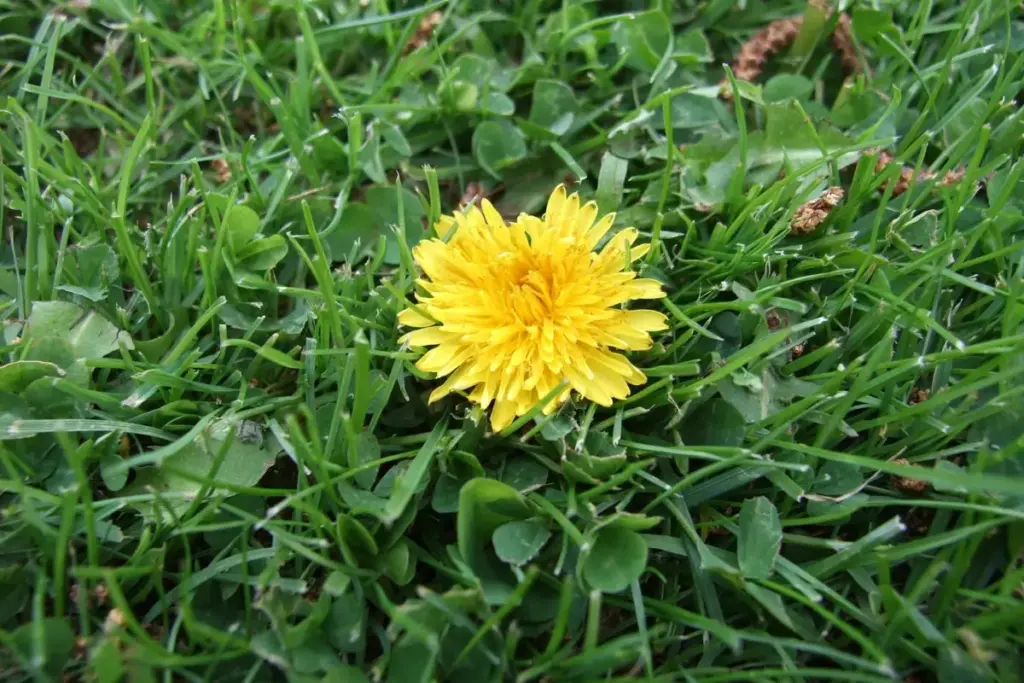
Claiming the crown as the undisputed champion of the July 2026 gardener shout-out is the humble dandelion (Taraxacum officinale agg.). While traditional lawn care manuals have spent decades waging chemical and mechanical war against this golden-flowered rosette, enlightened gardeners are undergoing a massive shift in perspective, recognizing the dandelion for what it truly is: an ecological powerhouse.
Comprising an estimated 250 microspecies, the dandelion genus offers some of the earliest and most critical nectar sources for waking pollinators in early spring, when alternative food supplies are dangerously scarce. Beyond its ecological lifeline to bees and butterflies, the dandelion provides an uplifting splash of vibrant yellow across fields and neglected verges following the dreary winter months. As the season progresses, its iconic spherical seed heads—affectionately known as "clocks"—provide generations of children with a timeless mechanism for telling time with a single breath. The dandelion’s triumph in this poll highlights a growing cultural rebellion against sterile uniformity, favoring biodiversity, resilience, and unpretentious natural beauty instead.
Official Statements and Expert Perspectives
Horticultural scientists and community leaders have responded enthusiastically to the groundswell of support for these overlooked plants. Dr. Aris Thorne, a senior botanical researcher specializing in urban ecology, noted that the community’s selections point toward a broader, necessary evolution in landscape philosophy.
"For too long, the gardening industry has promoted high-input, high-maintenance plants that require constant human intervention, chemical feeding, and artificial irrigation to survive," Dr. Thorne stated. "The plants celebrated in this community shout-out—ranging from the humble dandelion to the resilient hardy geranium—represent a paradigm shift toward regenerative, low-input horticulture. These species do not just survive in our gardens; they actively contribute to soil health, support local biodiversity, and demand remarkably little in return. They are the true ecological architects of sustainable green spaces."
Furthermore, community moderators from the organizing horticultural network emphasized that the overwhelming response demonstrates a democratization of gardening values.
"We expected people to talk about rare collector plants," shared lead community organizer Elena Vance. "Instead, our members rallied around the plants of their childhoods, the resilient survivors pushing up through pavement cracks, and the unsung heroes of the lawn. It shows a deep, grounding connection between everyday gardeners and the resilient nature of life itself."
Future Outlook: The Role of Underrated Flora in Climate-Resilient Landscapes
As global climate patterns become increasingly unpredictable, characterized by prolonged droughts, erratic rainfall, and extreme temperature fluctuations, the future of garden design must adapt accordingly. Traditional manicured lawns and delicate, water-hungry exotics are becoming increasingly difficult and resource-intensive to maintain.
In this context, the top five underrated plants identified in the 2026 community review offer a visionary blueprint for the future. By integrating species like Mexican fleabane, London pride, and hardy geraniums into urban and suburban landscapes, property owners can build climate-resilient ecosystems that require minimal supplemental watering, resist pests naturally, and withstand environmental stress.
Moreover, shifting societal perceptions regarding plants like the common daisy and the dandelion signal a cultural embrace of wilder, more naturalistic aesthetics. As biodiversity loss remains a critical global concern, creating spaces that welcome these resilient wildflowers into lawns and borders is no longer just an aesthetic choice—it is an ecological imperative.
Ultimately, the celebration of these five unsung botanical heroes reminds us that true garden beauty is not found in perfection and control, but in resilience, harmony with nature, and the quiet, persistent magic of plants that thrive against the odds.