Marking two decades of open-access digital preservation, the Biodiversity Heritage Library (BHL) has spent the last twenty years acting as the world’s ultimate archival repository for the natural sciences. Comprising more than 64 million digitized pages, the institution safeguards rare books, field notes, illustrations, and foundational scientific descriptions that chronicle the history of life on Earth.
Yet, as the global community celebrates the BHL’s twentieth anniversary, this milestone intersects with a more somber ecological milestone: Australia’s National Threatened Species Day, marking the 90th anniversary of the extinction of the thylacine (the Tasmanian tiger), the last known individual of which died in captivity at the Beaumaris Zoo in Hobart on September 7, 1936.
For the managers and researchers who steward the BHL collections—particularly within BHL Australia—the library is much more than a repository of historical texts; it is a time capsule of an island continent’s unique evolutionary trajectory. Australia, isolated for millions of years, evolved a breathtaking array of marsupials and monotremes that utterly perplexed early European naturalists. However, the arrival of British colonization in 1788 set off an ecological shockwave. Driven by habitat fragmentation, ecosystem destruction, and the catastrophic introduction of placental predators like foxes and feral cats, Australia now bears the highest rate of mammal extinctions in the world.
Through the lens of historical literature preserved by the BHL, this article investigates how early naturalists recorded Australia’s strange and wonderful fauna, the tragic trajectory of species lost to history like the thylacine, the miraculous rediscovery of species once thought extinct such as the Leadbeater’s possum, and how historical digital archives provide the essential baseline knowledge needed to protect our remaining biodiversity.
Detailed Chronology: Encounters, Warnings, and Extinctions
The historical record housed within the BHL maps a swift arc from initial scientific wonder to ecological devastation.
The Age of Exploration and Discovery (Late 18th to Early 19th Century)
Following the commencement of British colonization in 1788, European naturalists were confronted with an alien biological landscape. Creatures that defied standard taxonomic classification began appearing in European scientific literature. In 1799, English naturalist George Shaw published his famous description of the platypus in The Naturalist’s Miscellany, writing: "Of all the Mammalia yet known, it seems the most extraordinary…"
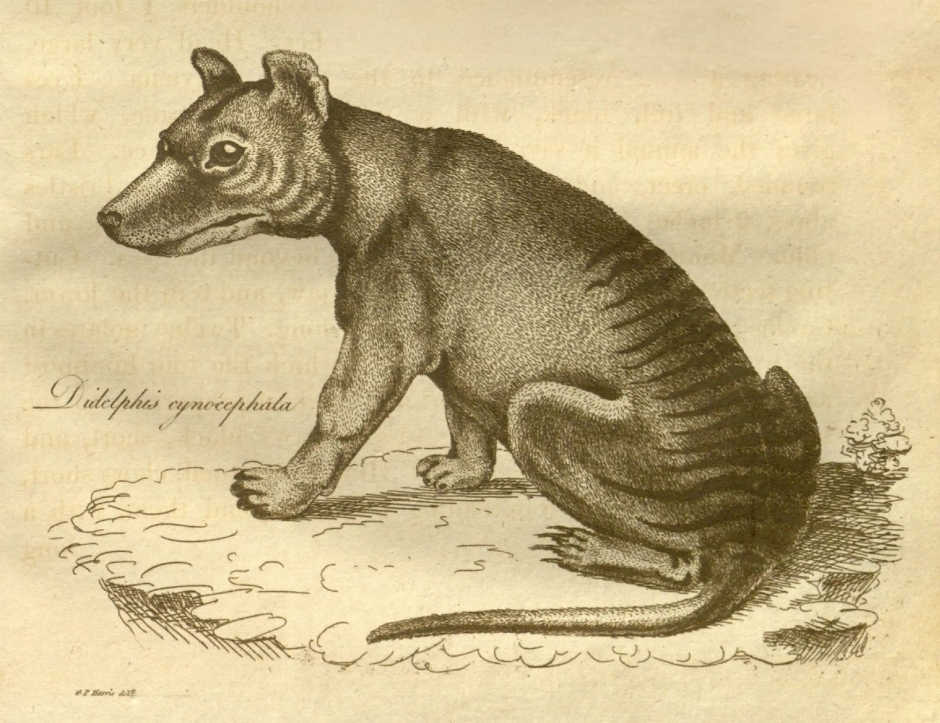
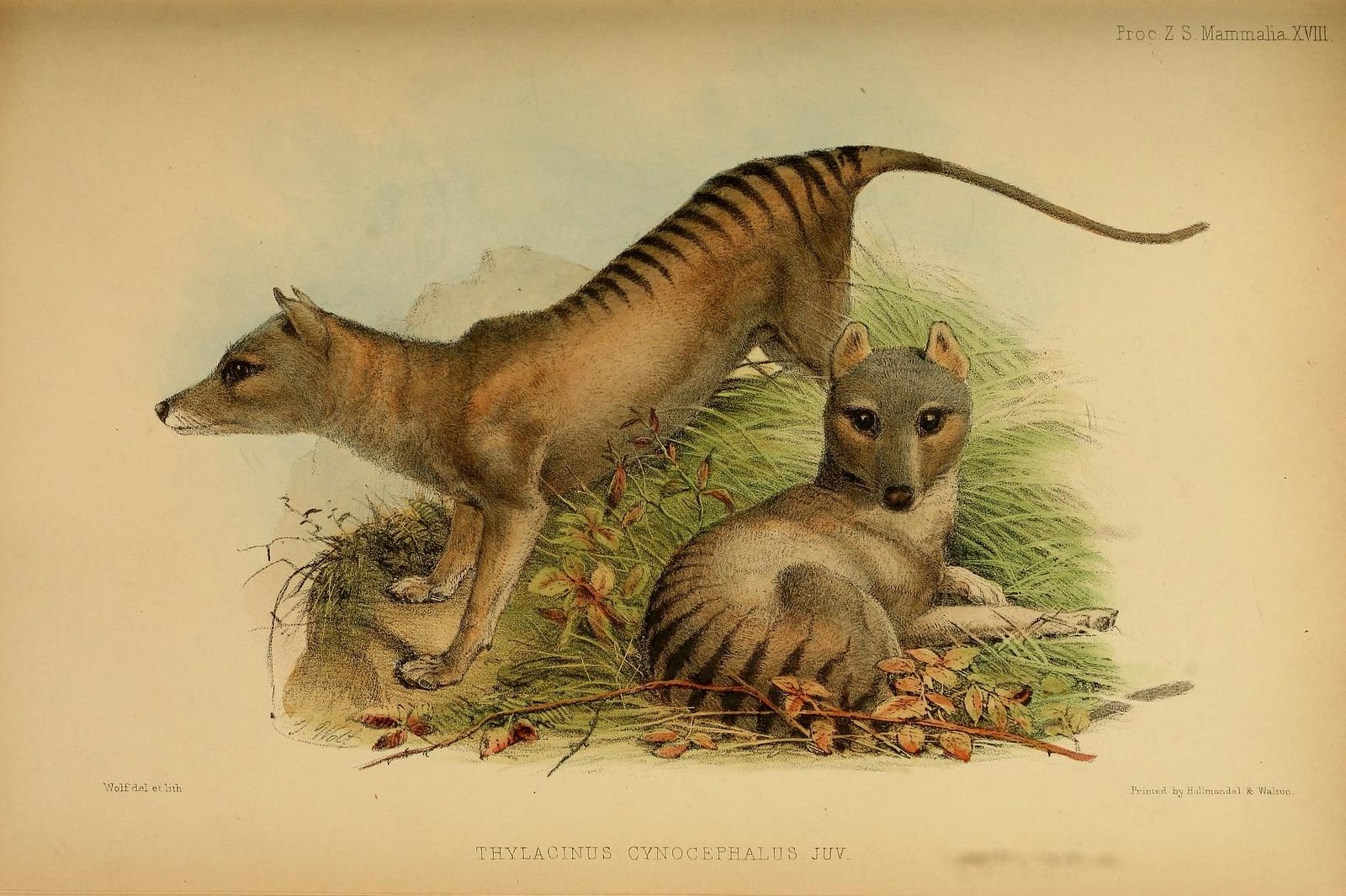
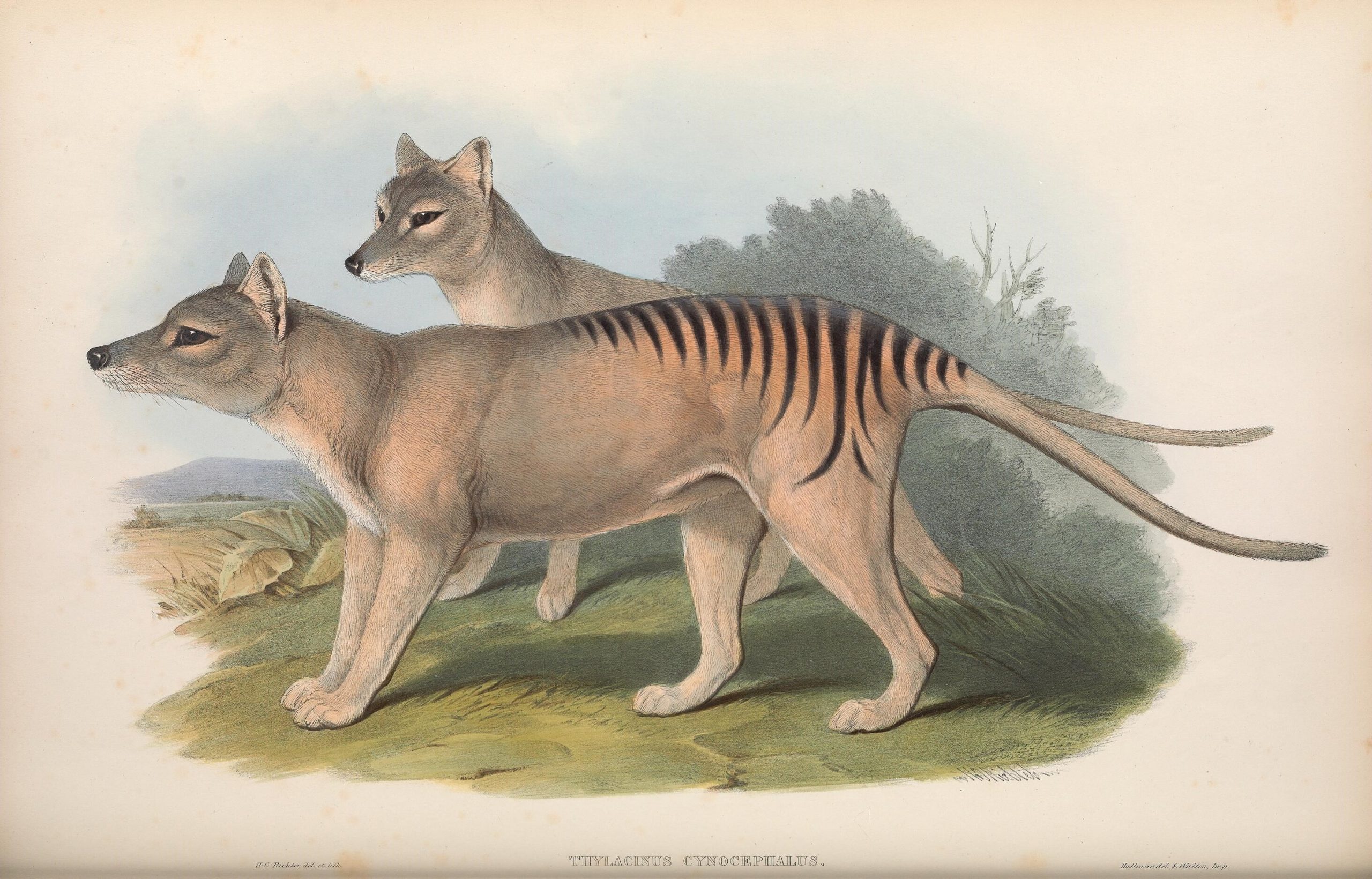
This era of debut also marked the scientific introduction of Australia’s top apex marsupial predator. In 1808, George Prideaux Robert Harris published the first scientific description and illustration of the thylacine in the Transactions of the Linnean Society of London, designating it Didelphis cynocephala ("dog-headed opossum"). Harris’s initial accounts, describing its large black eyes as giving it a "savage and malicious appearance," initiated a persistent cultural narrative that framed the animal as a dangerous menace to European pastoral aspirations.
The Escalation of Persecution and Early Warnings (Mid-to-Late 19th Century)
As sheep farming expanded across Tasmania, conflict between settlers and thylacines intensified. Tasmanian naturalist Ronald Campbell Gunn reported in 1838 that thylacines attacked sheep flocks at night and were exceptionally powerful. Subsequent naturalists, including Johan Ludwig Gerhard Krefft in the 1870s, similarly characterized the animal as the most ferocious mammal in Australia.
Despite this prevailing hostility, astute naturalists and artists began issuing prophetic warnings about the species’ ultimate fate:
1850: Zoologist Philip Lutley Sclater, writing in the Proceedings of the Zoological Society of London regarding the first living thylacines exhibited at the London Zoo (sketched by master zoological artist Joseph Wolf), noted that perpetual war waged by Tasmanian shepherds would eventually lead to the species’ extinction.
1863: In John Gould’s monumental The Mammals of Australia, illustrated by Henry Constantine Richter, Gould offered a chillingly accurate prediction. He wrote that as Tasmania’s primitive forests were cleared and populated, the thylacine would be recorded "as an animal of the past."
The Final Collapse and Legal Protection Too Late (1936)
Bounty systems, heavily backed by both private landowners and the government, placed a price on the thylacine’s head. Combined with distemper-like epidemics and catastrophic habitat loss, the hunting pressure pushed the species past the brink of survival.
On July 10, 1936, the Tasmanian government finally granted official legal protection to the thylacine. Tragically, the decree came far too late. Just under two months later, on September 7, 1936, the last known captive thylacine—a specimen colloquially named "Benjamin"—perished from exposure in an enclosure at the Beaumaris Zoo in Hobart after being locked out of its sleeping quarters.
To understand the weight of the historical literature preserved by the BHL, one must examine the staggering scale of Australia’s ecological vulnerability.
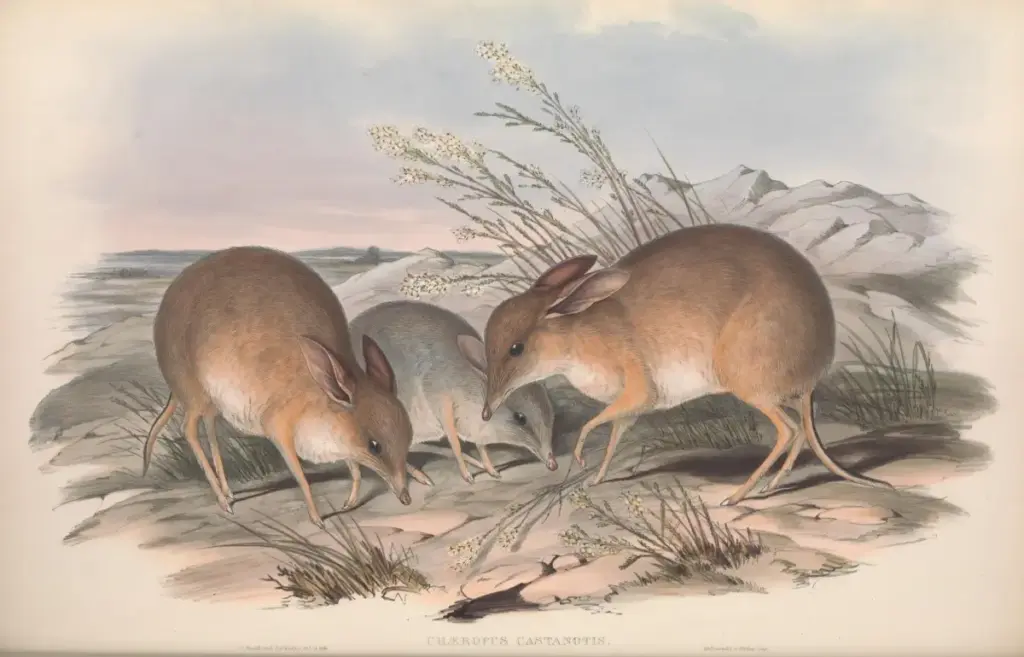
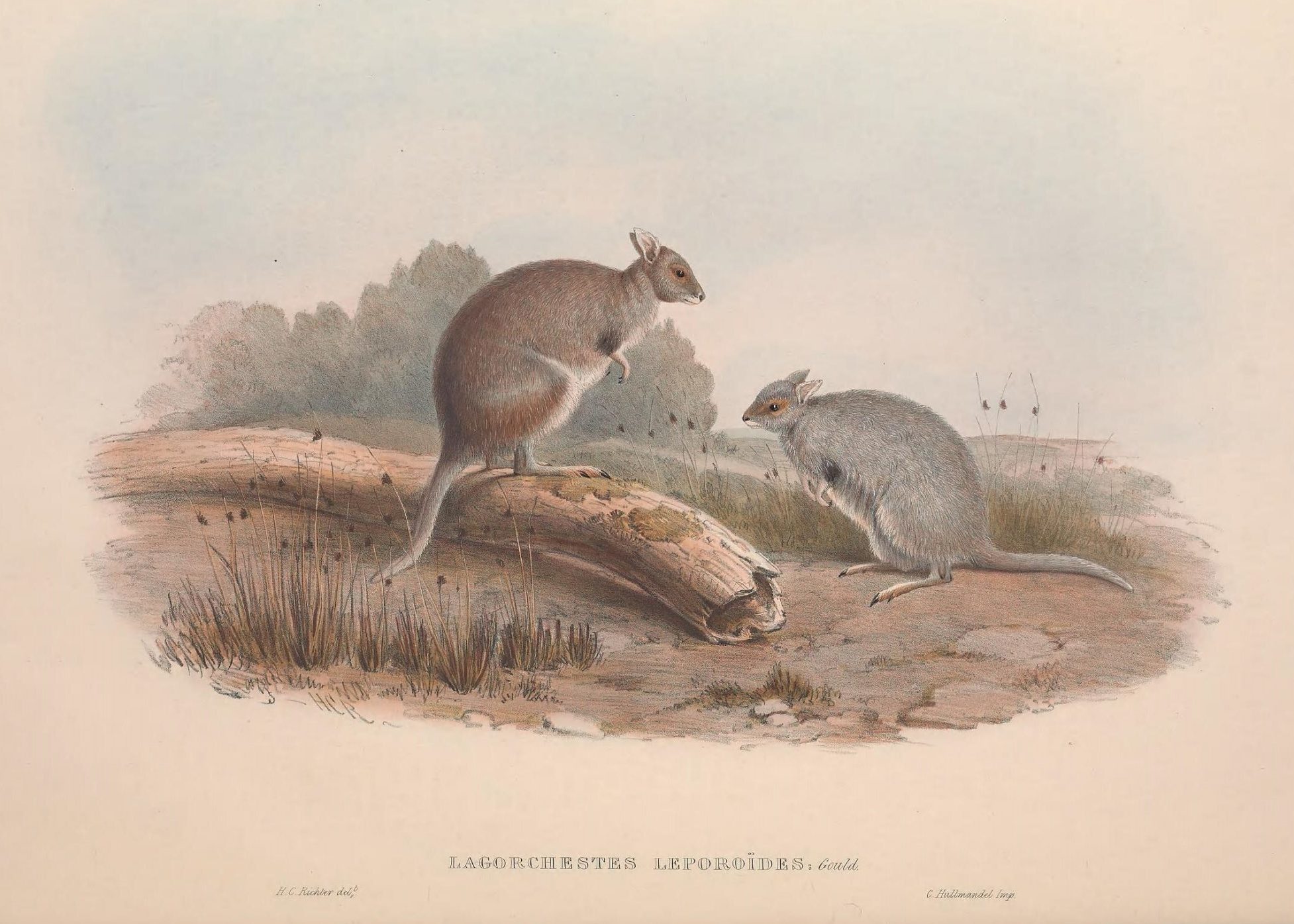
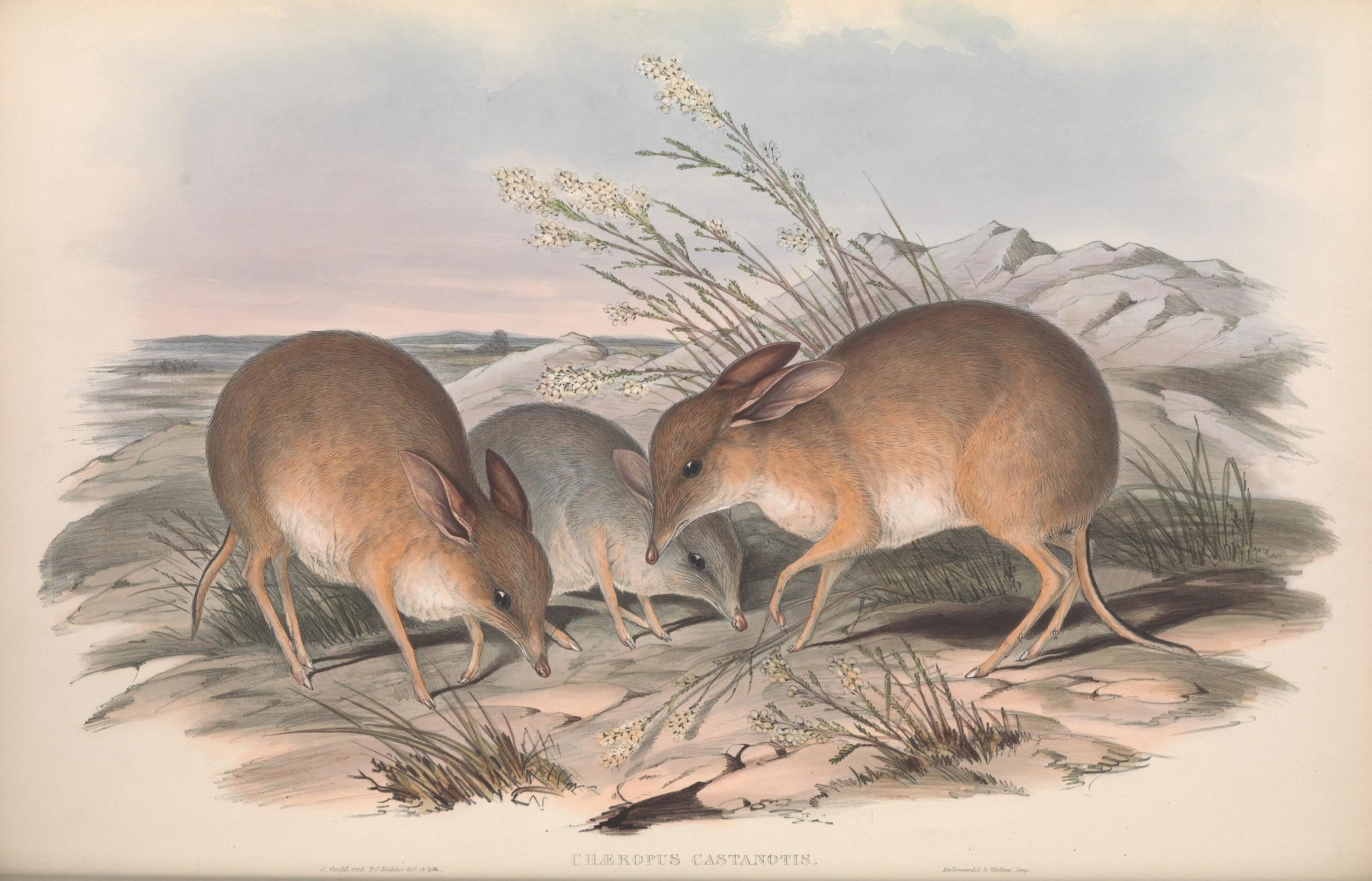
Mammal Extinction Capital: Australia holds the highest rate of mammal extinctions globally. Since European settlement, the continent has lost numerous endemic mammal species, including the Pig-footed Bandicoot, the Lesser Bilby, and the Crescent Nail-tail Wallaby.
The Drivers of Decline: The primary engines of this biodiversity loss are invasive placental mammals—specifically the European red fox (Vulpes vulpes) and feral cats (Felis catus)—which prey upon native fauna unequipped with behavioral defenses against agile, ground-hunting carnivores.
The Acclimatization Movement: Compounding these pressures was a nineteenth-century ideological movement aimed at making Australia "feel more like home." Organizations such as the Acclimatisation Society of Victoria deliberately released dozens of European species into the wild, fundamentally disrupting delicate island ecosystems.
The Digital Archive Footprint: The Biodiversity Heritage Library bridges historical amnesia and modern conservation by centralizing millions of pages of data. BHL Australia—anchored by institutions like Museums Victoria, which holds one of the Southern Hemisphere’s premier natural history libraries—makes these irreplaceable field notes, anatomical drawings, and behavioral observations globally accessible.
Official Statements and Perspectives from the Field
Reflecting on two decades of digital conservation and the sobering significance of National Threatened Species Day, leaders within the biodiversity informatics community emphasize the profound interconnectedness of historical literature and modern wildlife management.
"Coordinating this celebration of treasures chosen by our BHL community has been one of the most rewarding projects in my time as BHL’s Communications Director. It is an absolute honor to share mine now," expressed the BHL Communications Directorate in an official retrospective statement. "My favorite treasures in BHL are the very first scientific descriptions of new species… a species’ international debut in the literature."
Addressing the tragedy of lost biodiversity, BHL representatives highlighted the irreplaceable nature of historical accounts:
"While museum specimens may continue to reveal information about the anatomy, genetics, and diet of extinct species, the literature preserves precious details from observations of living animals: their behavior, abundance, habitats, interactions, and how they were understood and perceived over time… It is our hope that by making this historic literature accessible and discoverable, we may learn from the past, and help prevent more species from becoming records of what has been lost."
However, not all historical accounts within the BHL archive conclude in permanent tragedy. The archive also houses the narrative of species granted an improbable second chance—most notably the Leadbeater’s possum (Gymnobelideus leadbeateri). Described in 1867 by Professor Frederick McCoy, founding Director of the National Museum of Victoria, the fairy possum was named after the museum’s first taxidermist, John Leadbeater. After going completely unrecorded for half a century, leading scientists to declare it extinct, a small colony was miraculously rediscovered near Marysville in 1961.
Reflecting on the dual nature of these historical archives, conservationists note:
"The thylacine reminds us what happens when those warnings are ignored. The Leadbeater’s possum is an urgent reminder that sometimes we have a second chance."
Future Outlook: Lessons from the Archive for the Next Twenty Years
As the Biodiversity Heritage Library looks toward its next two decades of operation, its mission transcends passive digital archiving; it serves as an active frontline tool for modern conservation biology.
1. Data-Driven Conservation and Baseline Ecology
Modern ecologists frequently rely on digitized historical literature to establish ecological baselines. By analyzing historical distributions, feeding behaviors, and habitat structures documented in 19th-century journals housed in the BHL, contemporary researchers can better model ecosystem shifts, track the spread of invasive species, and design targeted rewilding initiatives.
2. Combating Modern Extinction Risks
Species such as the Leadbeater’s possum remain Critically Endangered, pressed to the edge of survival by a compounding matrix of contemporary threats: high-severity bushfires, industrial logging, climate change, and feral predators. The historical record serves as an ethical anchor, reminding policymakers that once an endemic species slips past the threshold of extinction, no amount of modern biotechnology can fully recover its unique behavioral ecology.
3. Democratizing Global Scientific Knowledge
By maintaining a free, open-access architecture across 64+ million pages, the BHL ensures that researchers, conservationists, indigenous land managers, and students in developing nations possess equal access to the foundational texts of Earth’s biological heritage.
Conclusion
The twentieth anniversary of the Biodiversity Heritage Library is a testament to human curiosity and our shared commitment to documenting the natural world. Yet, as we observe National Threatened Species Day and reflect upon the ghosts of Australia’s lost fauna—from the pig-footed bandicoot to the thylacine—the library’s vast digital stacks issue a permanent, urgent challenge. The pages of the past are not merely to be admired for their artistic beauty or historical charm; they are diagnostic instruments designed to teach us how to cherish, defend, and preserve the living planet we still possess.