Executive Overview
For generations, the definition of wealth remained comfortably anchored to a simple metric: the accumulation of money. Being rich meant possessing vast amounts of capital—enough to live extravagantly, purchase luxury commodities without hesitation, and exist entirely insulated from the financial anxieties that govern daily life for the global majority. However, the cascading crises of the 2020s—characterized by runaway inflation, a devastating cost-of-living squeeze, widening socio-economic divides, and the escalating wreckage of the climate emergency—have irrevocably shattered this simplistic narrative.
Today, extreme wealth does not exist in an isolated vacuum. The mechanisms by which monumental fortunes are accumulated, sheltered, and shielded from taxation exert a profound, often catastrophic impact on the fabric of human societies and the ecological systems that sustain all life on Earth. Enter the "Fair Share for People and Planet" campaign, a global initiative spearheaded by Greenpeace alongside a coalition of international allies. The campaign fights for equitable global tax rules, positing that while the capital required to confront the climate crisis and fund robust public services undeniably exists, it remains trapped in the wrong hands.
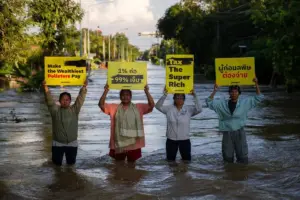
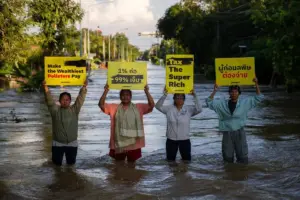
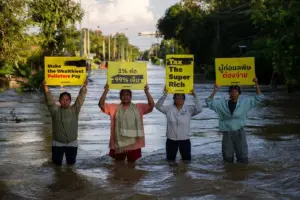
Marking a monumental turning point in this fight for global economic justice, over 200,000 individuals have officially added their names to the "Tax the Super-Rich" petition. This surging mobilization signals a paradigm shift: citizens worldwide are no longer willing to accept an economic status quo where billionaires build private havens while public infrastructure, healthcare systems, and climate resilience initiatives crumble under fiscal starvation.
Detailed Chronology: A Global Movement in Motion
The momentum behind the tax-the-super-rich movement has transitioned rapidly from backroom policy debates and academic symposiums into high-visibility street protests, international political summits, and viral cultural moments.

January 2025: Grounding the Elite in Switzerland
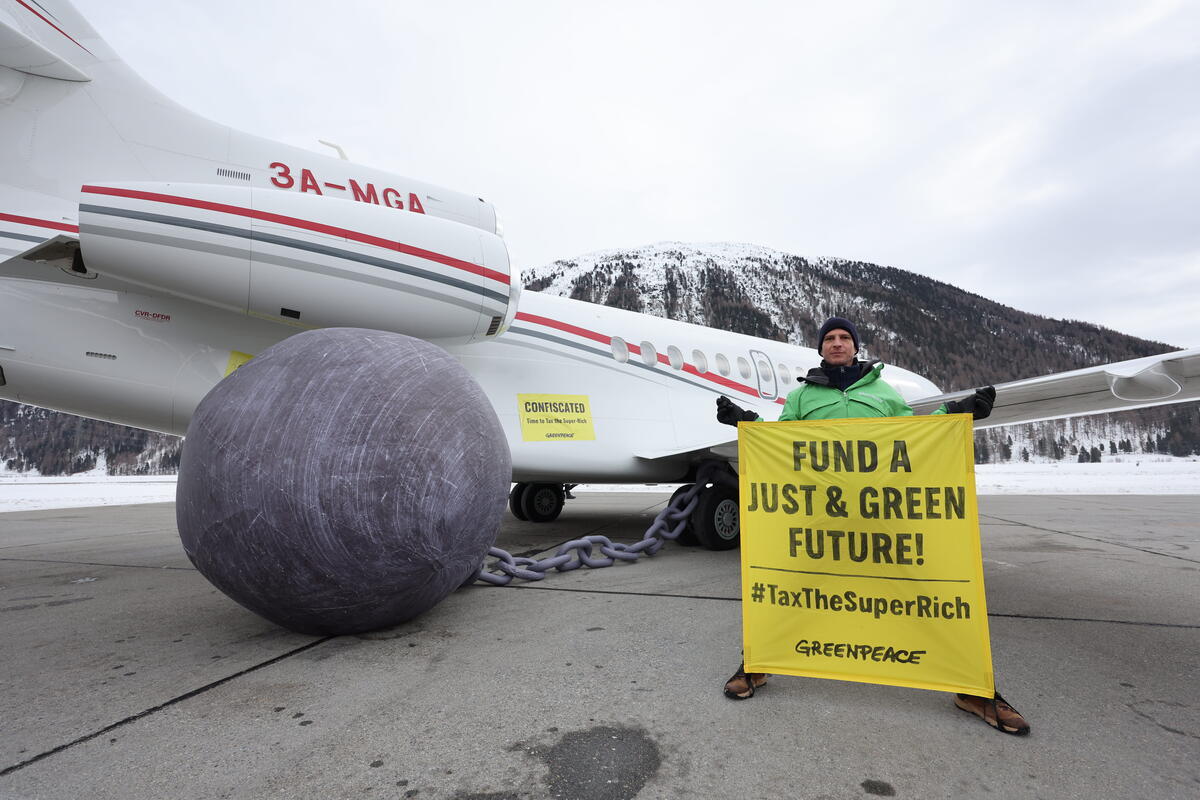
The year opened with a stark symbolic strike against the Davos-attending elite. Greenpeace International activists from across Europe descended upon Engadin Airport in Samedan, Switzerland—a transit hub frequently utilized by participants of the World Economic Forum (WEF). In a bold, peaceful intervention, activists symbolically "confiscated" private jets belonging to the ultra-wealthy, who represent a mere 1% of the global population. The action served as an urgent demand for policymakers to redirect tax revenues from extreme fortunes toward green public housing, accessible public transport, and frontline climate disaster response.
June 2025: Taking Aim at Excess in Venice
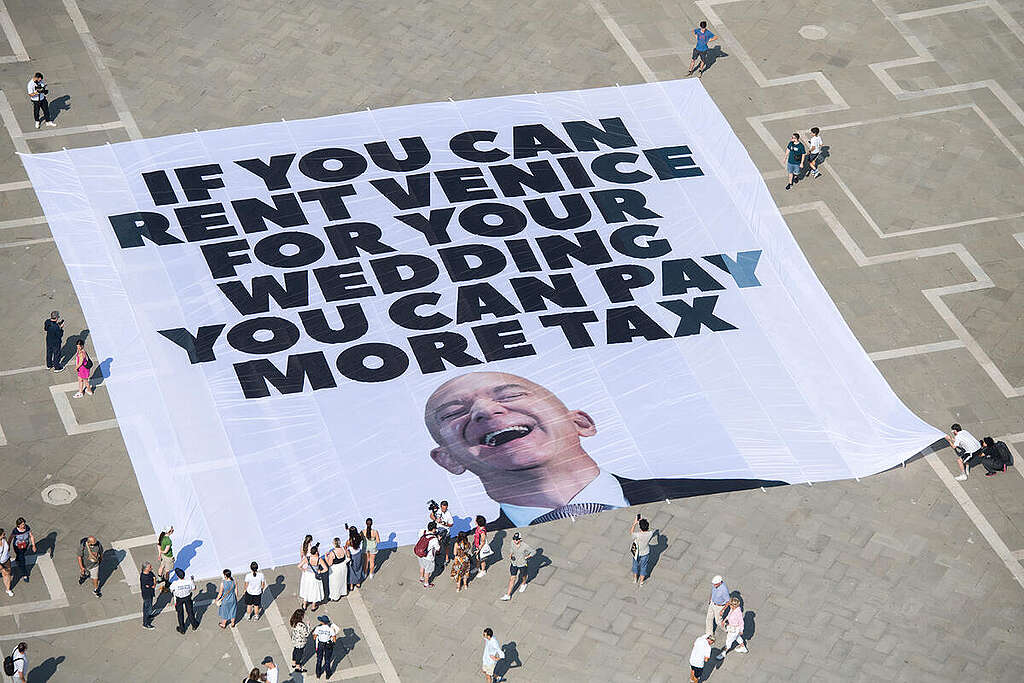
As multi-billionaire Jeff Bezos prepared to host a high-profile wedding celebration in the lagoon city of Venice, civil society groups—including activists from the UK coalition "Everyone Hates Elon" and Greenpeace Italy—unveiled a massive 20×20-meter banner in Piazza San Marco. The banner bore a direct message: “If you can rent Venice for your wedding, you can pay more tax.” The dramatic protest struck a global nerve, generating immense international media coverage and sparking social media video campaigns that amassed over 35 million views, cementing wealth inequality as a mainstream cultural talking point.
July 2025: Confronting the G20 in South Africa
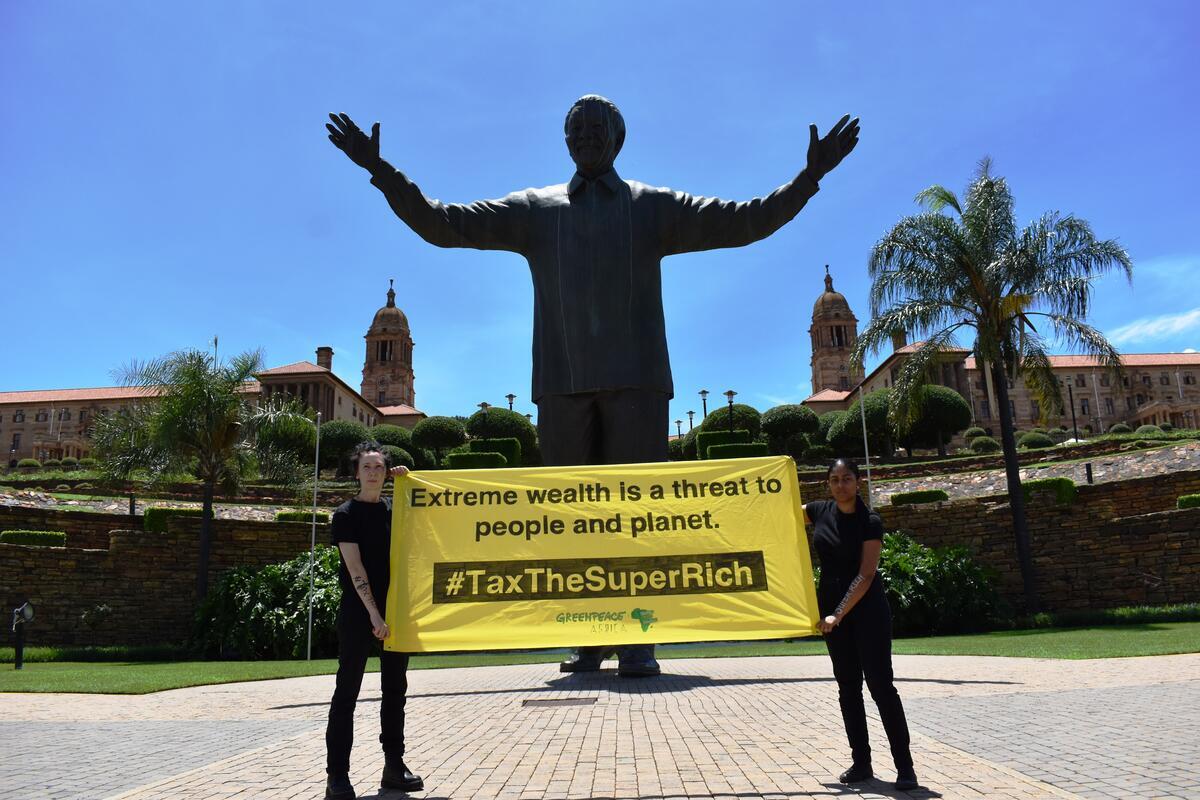
Moving from symbolic street theater to direct institutional lobbying, Greenpeace Africa brought the "Tax the Super-Rich" mandate directly to the G20 Finance Ministers meeting in Cape Town, South Africa. Grounded in the indigenous philosophy of Ubuntu—the belief that "I am because you are," emphasizing interconnectedness, solidarity, and collective equality—activists challenged world leaders to enact wealth taxes that match the scale of modern global crises.
Late 2025 to November 2026: Building Toward the UN Tax Convention
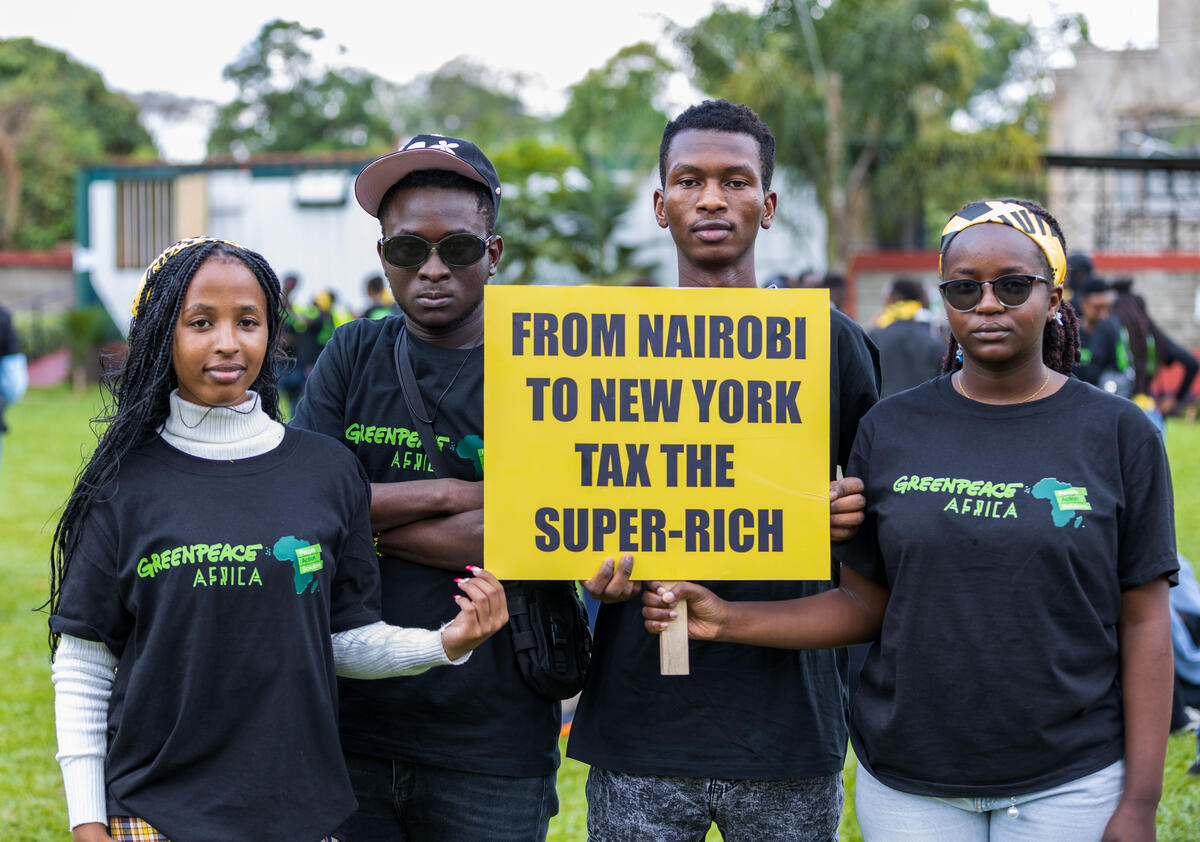
The campaign reached critical diplomatic milestones as 500 Greenpeace Africa volunteers gathered ahead of the UN Framework Convention on International Tax Cooperation (UNTC) negotiations in Nairobi. Forming a living human banner of the African continent bearing the slogan “Tax the Super-Rich for People and Planet,” the collective amplified the voices of the Global South. This momentum continued into the countdown for the 4th International Conference on Financing for Development (FfD4) in Seville, Spain, where Greenpeace Spain introduced a towering, four-meter-tall baby Elon Musk doll brandishing a chainsaw—a striking visual critique of billionaire-driven ecological degradation.

Supporting Context & Metrics: The Anatomy of Inequality
The urgency of the Fair Share campaign is underscored by glaring economic imbalances. Global wealth is concentrated at the apex of society at unprecedented scales, while governments—particularly in the Global South—struggle under suffocating debt burdens and inadequate fiscal revenues.
- The Trillion-Dollar Climate Debt: Reports indicate that the world’s richest entities and fossil fuel polluters accumulate trillions in ecological debt annually, yet contribute disproportionately little to the costs of mitigation and adaptation.
- The Human Cost of Climate Extremes: The consequences of this fiscal starvation are writ large across the globe. During the 2025–2026 wildfire season alone, Chile recorded over 3,000 individual wildfires, scorching an area 193% larger than the previous season. Regions like Ñuble, Biobío, and La Araucanía were plunged into states of emergency. Similarly, massive coal exploration and environmental degradation have triggered catastrophic urban flooding in places like Samarinda, East Kalimantan, displacing families and destroying livelihoods.
- Asymmetric Vulnerability: Climate change does not discriminate in its physical manifestations, but human societies experience it through deep economic divides. When floods destroy homes, droughts threaten food security, or extreme heatwaves endanger urban populations, the impact is dictated entirely by capital: Who has savings? Who has insurance? Who can relocate? Who can access emergency healthcare?
Polling and testing conducted by Greenpeace across six African nations revealed that the public responds overwhelmingly to arguments rooted in basic fairness: individuals and corporations possessing immense wealth must contribute proportionally to their capacity. Messages highlighting how wealth taxes can directly fund functional schools, modern hospitals, resilient roads, and green infrastructure consistently resonate as practical, common-sense solutions.

Official Statements & Policy Solutions
Far from being a radical utopian daydream, the taxation of extreme wealth is increasingly championed by mainstream economists, policymakers, and international bodies as a practical necessity.
The primary policy vehicle being advanced by Greenpeace and its global allies is an ambitious UN Global Tax Treaty. Designed to overhaul a broken international tax architecture, the proposed treaty aims to close cross-border tax evasion loopholes, enforce robust taxes on high-net-worth individuals, and mandate fair contributions from multinational corporations—particularly fossil fuel polluters driving the climate emergency.

Figures in national politics have echoed these sentiments. For instance, prominent political leaders in Europe, such as UK figures advocating for domestic wealth taxes, have pointed out that relying on voluntary billionaire philanthropy is a fundamentally flawed model. Philanthropy is discretionary, opaque, and often serves the public relations goals of donors; robust, equitable taxation, by contrast, is systemic, reliable, and accountable to the public good.
Greenpeace representatives emphasize that the transition away from fossil fuels and toward a resilient, sustainable economy cannot rely on empty corporate pledges.
"There is enough money in the world to fund climate and nature action, but too much of it is concentrated in the hands of the super-rich," campaign organizers note. "Fairer taxation can help redirect more of that wealth towards people, the planet, and essential public services."
Future Outlook: Redefining Wealth for a Sustainable Tomorrow
The milestone of 200,000 petition signatories represents far more than a digital tally; it is a manifestation of growing people power. It reflects a collective awakening among citizens who are questioning the fundamental purpose of modern economic systems and demanding that governments serve the public interest rather than elite preservation.
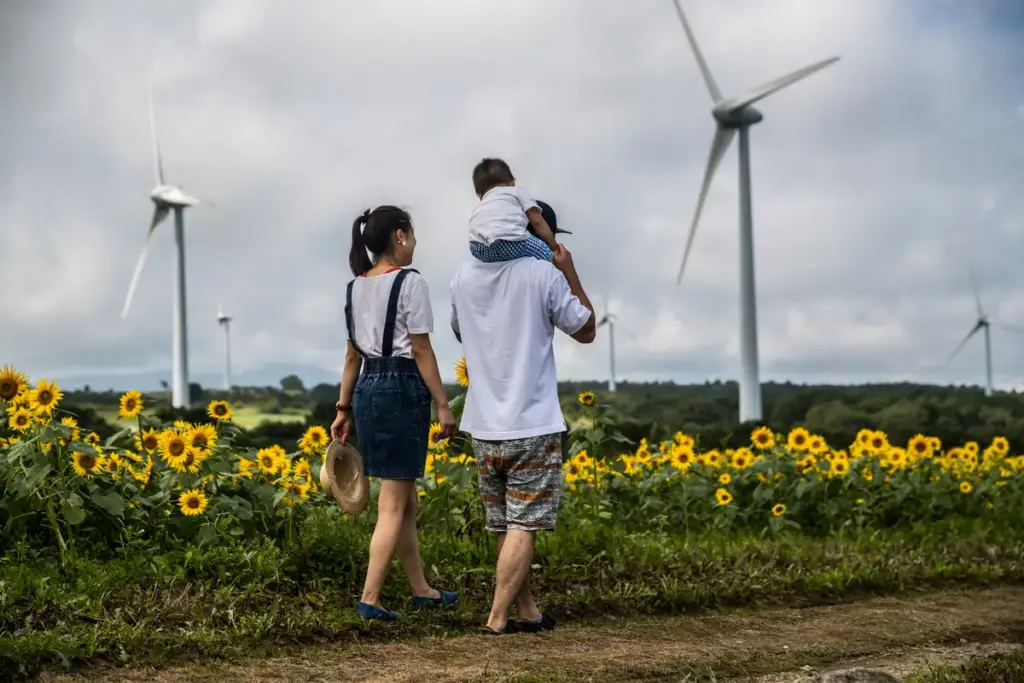
This cultural shift is also prompting individuals to re-evaluate what it genuinely means to be "rich." The illusion of material excess—measured purely in dollar signs and private luxuries—fades rapidly when weighed against the fundamental richness of human safety, clean air, drinkable water, stable food supplies, and a flourishing natural world. No amount of private billionaire wealth can build a separate, shielded planet. Humanity shares a single biosphere, meaning that ecological collapse or economic instability affects everyone, regardless of net worth.
As negotiations surrounding international tax reform continue to evolve through United Nations forums and global summits, the movement to tax the super-rich is expanding beyond institutional corridors and taking root in the public consciousness.
The path forward requires an unyielding commitment to economic and climate justice. By establishing fair global tax rules, governments can unlock the trillions needed to fund climate adaptation, build sustainable green housing, expand clean public transport, and protect vulnerable communities worldwide. Being rich in life should no longer mean hoarding resources that exceed several lifetimes of use at the expense of a shared planet. Instead, the future must be built on a simple, enduring principle: ensuring that everyone has enough, and that those who have gained the most contribute their fair share to the societies that made their success possible.
Naeemah Dudan is a Digital Specialist for Greenpeace Africa, based in South Africa.