

Executive Overview
In an era defined by shifting climatic pressures, consumer demand for sustainable goods, and the complex realities of modern agribusiness, knowledge remains the most vital asset an agricultural producer can possess. For decades, mastering the delicate ecosystem of regenerative organic farming meant relocating to physical campuses, navigating grueling apprenticeships, or piecing together fragmented tutorials from the internet.
Today, a paradigm shift is underway. The renowned Rodale Institute—a global pioneer in soil health and regenerative organic agriculture with more than 75 years of scientific research—has broken down the physical boundaries of its campus. Through the launch of a comprehensive online education platform, the institute is bringing its deeply researched, experience-tested expertise directly to farms across the country.
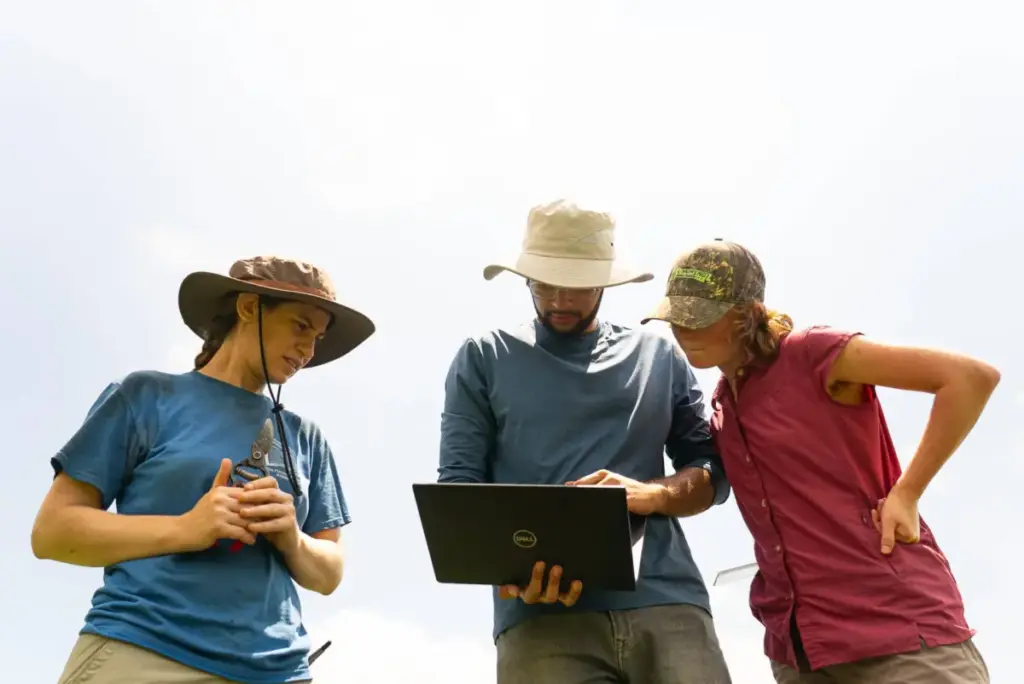
By translating its rigorous, in-person Rodale Institute Farmer Training (RIFT) curriculum into an accessible digital format, the organization is bridging the gap between scientific innovation and field application. Designed to overcome the relentless scheduling demands of agricultural life, this virtual campus leverages the Canvas learning management system to deliver university-level instruction on everything from entomology and soil science to cost accounting and organic certification. The result is a transformative leap forward: an initiative scaling agricultural education from a dozen annual on-site trainees to a projected 6,500 digital learners, democratizing access to the tools needed to heal the earth and build profitable farm businesses.
Detailed Chronology: The Evolution of Rodale’s Educational Outreach
To understand the significance of Rodale Institute’s virtual expansion, one must examine the timeline of how agricultural knowledge has historically been shared, tested, and scaled.
The Foundation of Hands-On Learning (The First 75 Years)
For over three-quarters of a century, Rodale Institute operated primarily as a physical sanctuary for research and development. Established as a testing ground for organic methods long before "sustainability" became a corporate buzzword, the institute accumulated vast troves of empirical data regarding crop rotations, weed management, and soil biology.
Recognizing that research is only valuable if it is practiced, the institute eventually established the Rodale Institute Farmer Training (RIFT) program at its flagship Pennsylvania campus. For more than 15 years, RIFT served as an intensive, nine-month, in-person crucible for agricultural entrepreneurs. While immensely successful, the physical program was inherently bottlenecked by geographic and logistical constraints. Accepting only a dozen or so new farmers each year, the institute faced a frustrating limitation: how to share decades of breakthroughs with the hundreds of thousands of growers who could not simply leave their fields, families, and financial commitments to live in Pennsylvania.
The Three-Year Digital Transformation
The genesis of the virtual campus began quietly behind the scenes three years ago. Recognizing the growing crisis of generational turnover in farming—coupled with a surge of interest from conventional farmers seeking to transition to organic methods—Rodale Institute leadership initiated a systematic digital overhaul.
Instead of hastily recording basic webinars, the education team committed to capturing the entirety of the RIFT curriculum on high-definition video. Over a 36-month period, instructors, scientists, and veteran farmers meticulously translated field-tested practices, laboratory findings, and business management strategies into structured, modular video lessons. They sought to avoid the superficial, fragmented content commonly found on open-source video platforms, opting instead to build a rigorous, sequential curriculum anchored in pedagogical best practices.
The Launch of the Virtual Campus
The culmination of this multi-year effort is the newly deployed online platform powered by the robust Canvas learning management system (LMS). Designed to cater to modern agricultural professionals, the platform successfully bridges the gap between independent study and interactive community building. With the digital doors now officially open, the institute has transformed from a localized Pennsylvania training ground into a borderless, nationwide virtual extension service.
Supporting Context & Metrics: The Modern Farmer’s Dilemma
Farming is unlike almost any other profession in the modern global economy. It is a high-stakes, weather-dependent enterprise operating on razor-thin margins, demanding a staggering breadth of multidisciplinary expertise.
The Knowledge Gap and Operational Demands
Modern organic farmers cannot simply rely on traditional agronomy. To run a successful operation, they must master:
- Soil Science & Entomology: Understanding underground microbiomes, beneficial insect habitats, and natural pest disruption cycles.
- Agronomic Execution: Mastering complex, non-chemical weed control, cover-cropping strategies, and diverse crop rotations.
- Regulatory Compliance: Navigating the labyrinthine, multi-year requirements of earning and maintaining USDA organic certification.
- Business Acumen: Handling cash-flow forecasting, cost accounting, labor management, and direct-to-consumer or wholesale marketing strategies.
According to René Baran, Rodale Institute’s Dean of Education, these extensive requirements create a profound challenge for those working the land. "Farming is a unique way to make a living because farmers don’t get vacations or even weekends off when they can take time to focus on learning," Baran explains. "But new farmers and many experienced ones have gaps in their knowledge they need to fill."
Scaling Impact: From Dozens to Thousands
The math behind traditional agricultural extension programs reveals a stark reality: personal mentorship, while invaluable, cannot keep pace with the urgent demand for sustainable food systems.
| Metric / Dimension | Traditional In-Person RIFT Program | Rodale Institute Virtual Campus |
|---|---|---|
| Annual Capacity | ~12 farmers per year | Up to 6,500 farmers |
| Geographic Reach | Primarily regional (requires relocation) | Nationwide / Global access |
| Time Commitment | Rigorous, fixed 9-month schedule | Fully self-paced, asynchronous |
| Curriculum Focus | Hands-on field execution | Comprehensive theory, field application, & business management |
By scaling capacity to 6,500 learners, the digital platform drastically alters the economics of agricultural education. It allows participants to log in late at night after the equipment is serviced, or early in the morning before the sun rises, ensuring that education adapts to the rhythm of the farm rather than disrupting it.
Official Statements and Industry Perspectives
The rollout of Rodale Institute’s online curriculum has generated widespread enthusiasm across the agricultural and non-profit sectors. Early adopters and institutional leaders praise the initiative for addressing long-ignored systemic vulnerabilities in the farming community.
The Pedagogical Standard
Dr. Jason Slipp, Director of Education at Rodale Institute, emphasizes that the platform was built to maintain uncompromising academic and practical integrity.
"At Rodale Institute, we have accumulated more than 75 years’ worth of knowledge, and for the past three years, we’ve been capturing much of our RIFT curriculum on video. We’re now offering it to farmers who are not able to enroll in our nine-month, in-person program. These are university-level classes based on proven instructional principles."
Slipp also notes that user experience was a paramount concern during development. Recognizing that many growers are masters of mechanics and agronomy rather than IT experts, the Canvas-backed system was curated for intuitive navigation. "This is easy for everyone to use, even if they’re not too tech-savvy," he adds.
Strategic Partnerships: Strengthening the Business of Farming
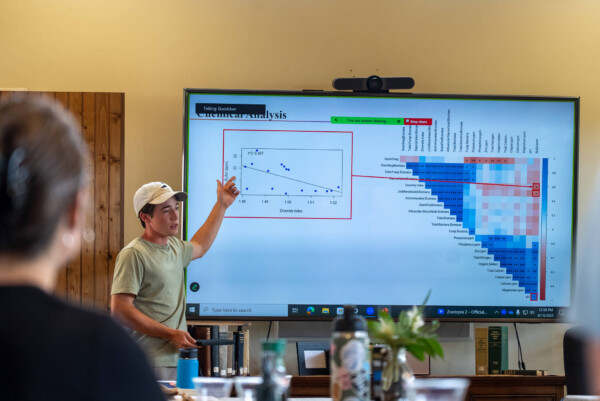
The initiative has already attracted powerful allies within the agricultural nonprofit ecosystem. One notable early adopter is Good Roots, a mission-driven organization dedicated to helping organic farmers build lasting, resilient commercial enterprises.
Rebecca Frimmer, partner and principal consultant for Good Roots, highlights a stark reality often overlooked by aspiring growers: passion for the soil does not automatically translate to commercial viability.
"Farmers need training in business management and finance to ensure they are profitable and viable for the long term," Frimmer states. "The biggest challenge for farmers is finding the time to balance all that must be done. It’s essential to carve out the space to work on the farm business and not just in the business."
Frimmer points out that smaller-scale agricultural producers frequently lack the capital to retain specialized private consultants for bookkeeping, marketing, or regulatory navigation. By providing self-paced, authoritative digital resources alongside peer-to-peer discussion spaces, Rodale Institute empowers organizations like Good Roots to lift up the next generation of food producers.
"The self-paced educational resources and interactive support offered by Rodale Institute open up effective ways for Good Roots to ensure the next generation of farmers can scale up with strong financial and marketing foundations," Frimmer notes.
Future Outlook: The "Regenerative YouTube" and Beyond
Looking ahead, Rodale Institute envisions its virtual campus as a continually evolving hub for sustainable agriculture. The platform is designed to be dynamic, with plans to systematically roll out new modules, integrate emerging data on climate-resilient farming, and forge new partnerships with universities, farm apprenticeship networks, and agricultural co-ops nationwide.
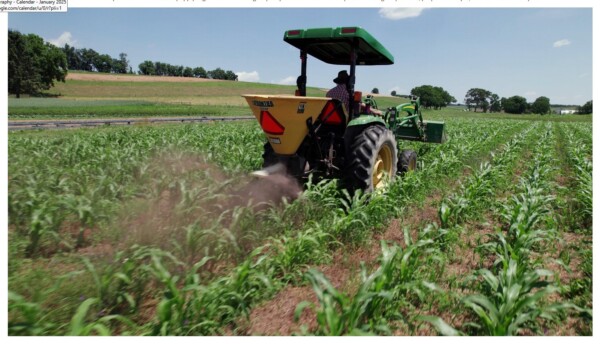
Democratizing Knowledge Beyond the Farm Gate
Importantly, the institute’s educational mandate extends beyond commercial producers. Recognizing that systemic agricultural transformation requires shifts in consumer behavior and public health awareness, the virtual campus also hosts courses tailored to the general public.
Programs such as "Being a Regenerative Consumer" and "Regenerative Health: The Power of the Plate" invite everyday citizens to explore how their dietary choices ripple back down to soil microbes and farm-gate economics. Furthermore, specialized online workshops on topics like hobby gardening and beekeeping allow enthusiasts to develop hands-on competencies while directly supporting the broader mission of expanding the nation’s organic workforce.
The Ultimate Vision
Summarizing the long-term ambition of the project, Renée Baran paints a vivid picture of the digital platform’s ultimate potential:
"We want to be the ‘regenerative organic agriculture YouTube’ where farmers can find the information they’re looking for, but with real scientific integrity and a community of others to connect to and learn with."
By marrying decades of rigorous agricultural science with modern, flexible learning management technology, Rodale Institute is ensuring that the wisdom required to heal our lands is no longer locked behind geographic gates. It is flowing freely to the fields, laptops, and mobile devices of anyone willing to learn—planting the seeds for a healthier, more resilient agricultural future across America.
For detailed schedules, course catalogs, and enrollment information regarding both on-site workshops and the new virtual campus, interested growers and learners can visit RodaleInstitute.org/education.



