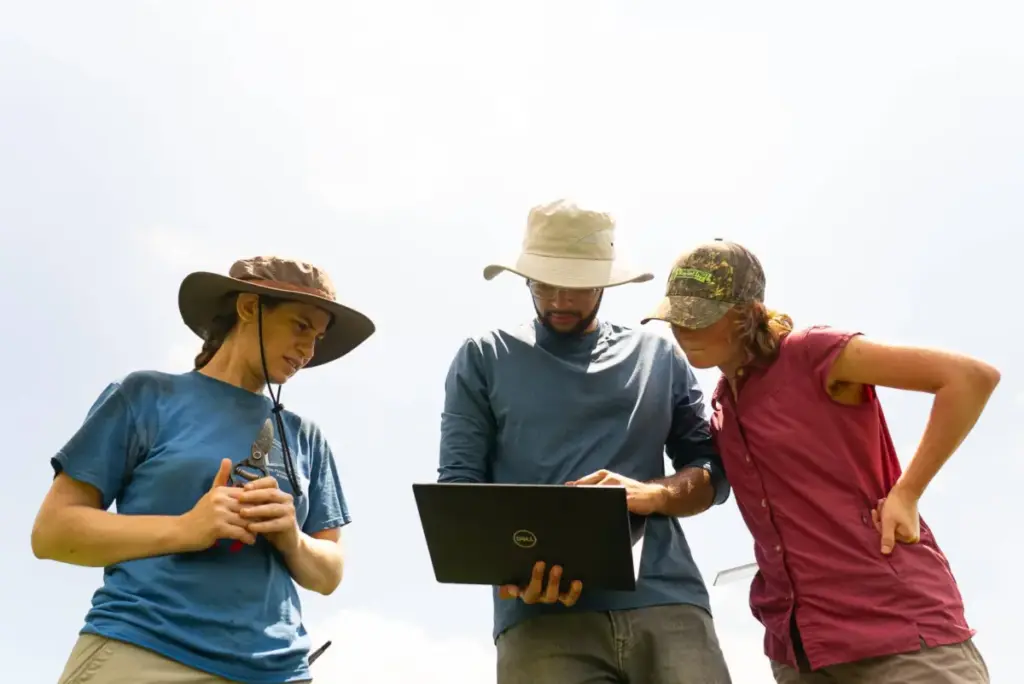
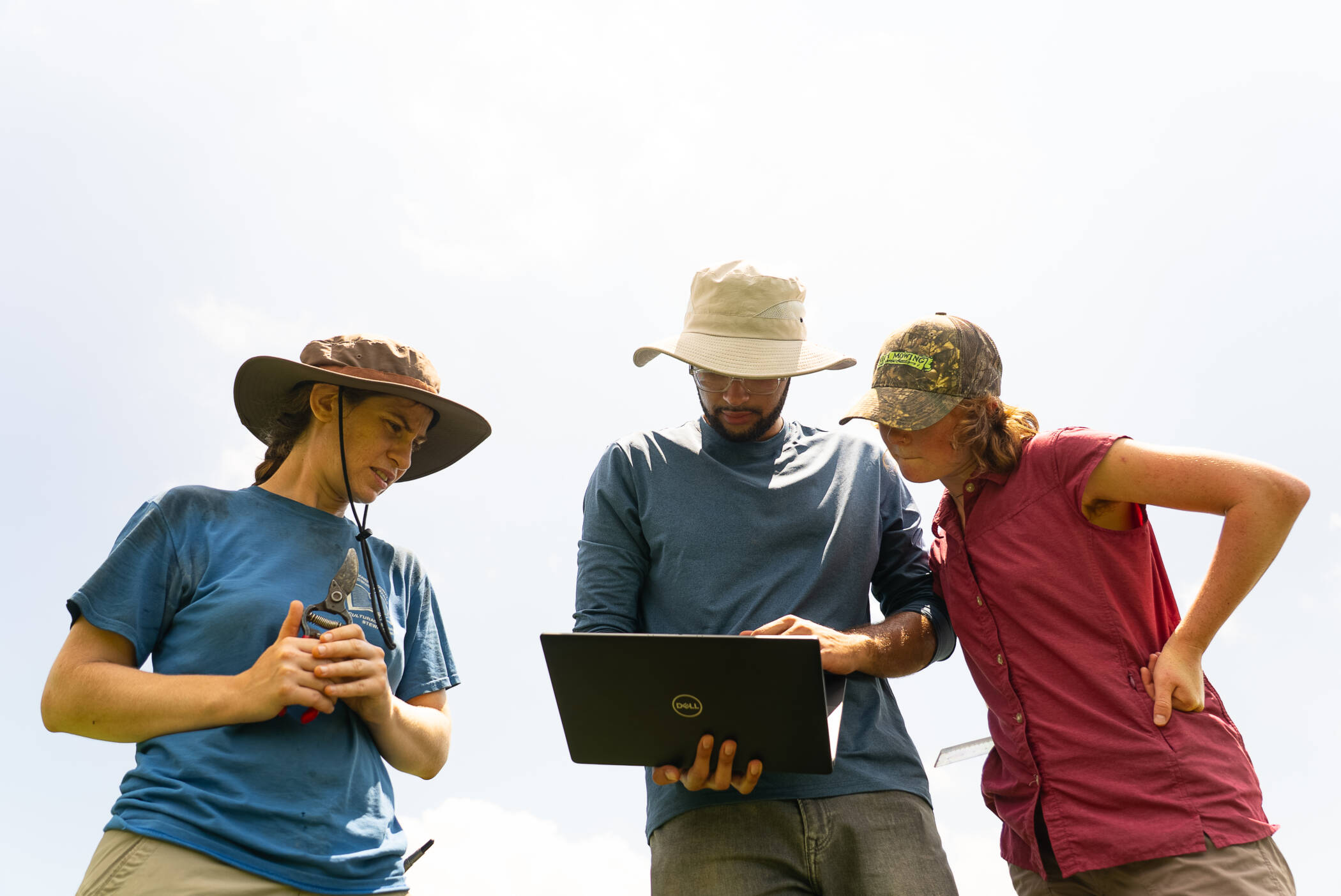
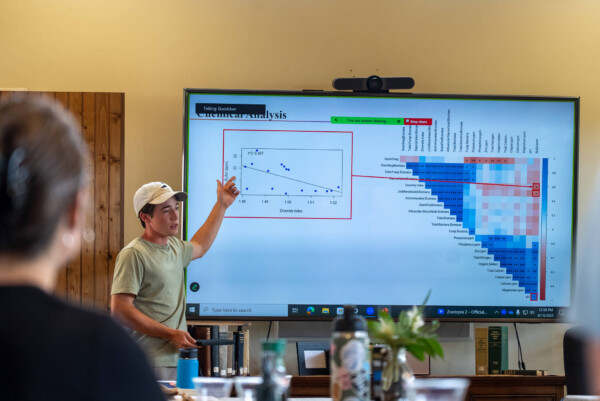
For decades, the modern agricultural landscape has faced a paradoxical crisis: while consumer demand for organic, sustainably produced food surges to historic highs, the pool of practicing organic farmers remains frustratingly small. Transitioning from conventional farming to regenerative organic methods requires a monumental shift not only in land management, but in a producer’s entire philosophy. It demands mastery over complex biological systems—ranging from intricate soil microbiomes and beneficial entomology to nuanced crop rotations and organic fertilizer applications. Furthermore, achieving and maintaining strict organic certification while keeping a farm financially solvent requires sophisticated business acumen, including cost accounting and targeted marketing strategy.
Historically, acquiring this specialized knowledge meant uprooting one’s life to attend prestigious, highly selective residential training programs. Enter the Rodale Institute Farmer Training (RIFT) initiative. For over 15 years, RIFT has served as a beacon of agricultural entrepreneurship from its flagship Pennsylvania campus, graduating cohorts of skilled growers equipped to heal the land and feed their communities. However, the physical constraints of an on-site, nine-month immersive program inherently limited its reach to just a dozen or so students annually.
To bridge this wide knowledge gap and democratize access to world-class agricultural science, the Rodale Institute has officially launched a revolutionary digital campus. By translating more than 75 years of groundbreaking research and decades of practical, experience-tested curriculum into a robust online learning management system, the Institute is bringing its virtual extension directly to farms across the nation. This expansion marks a paradigm shift in agricultural education. Designed to accommodate up to 6,500 students, the virtual platform is poised to become the definitive digital hub for regenerative organic farming—a trusted, science-backed ecosystem where both beginning growers and seasoned producers can access university-level education on their own terms, whenever and wherever they need it.
Detailed Chronology: The Evolution of Rodale’s Educational Reach
To understand the magnitude of the Rodale Institute’s digital transition, one must examine the chronological progression of how agricultural knowledge has been historically generated, preserved, and disseminated in the United States.
The Foundation of Research (Mid-to-Late 20th Century)
For more than three-quarters of a century, the Rodale Institute stood as a pioneer in the regenerative organic movement. Founded on the principle that healthy soil creates healthy food, which in turn creates healthy people, the Institute dedicated decades to empirical research. Through landmark studies—such as the Farming Systems Trial, which compared conventional and organic farming systems over decades—Rodale compiled irrefutable data proving that organic methods not only rival conventional yields but far outperform them during periods of drought and environmental stress. However, this wealth of institutional knowledge remained largely confined to academic papers, printed publications, and localized workshops.
The In-Person Era (The Birth of RIFT)
Recognizing that research alone cannot transform the food system unless it is actively applied in the field, the Institute launched the Rodale Institute Farmer Training (RIFT) program at its Pennsylvania campus over 15 years ago. This rigorous, nine-month residential program offered hands-on experience, pairing aspiring agriculturalists with veteran researchers and organic farmers. While RIFT successfully launched the careers of numerous successful farm entrepreneurs, its physical exclusivity became a bottleneck. Agriculture is a demanding vocation; pausing operations to relocate to Pennsylvania for nearly a year is simply an economic impossibility for the vast majority of working farmers, particularly those already managing independent farm businesses or balancing off-farm employment.
The Multi-Year Digital Transition (2022–Present)
Acknowledging the urgent need to scale access, leadership at the Rodale Institute initiated a multi-year digital archiving and curriculum-development project. Recognizing that farming is a 24/7 commitment that rarely affords weekends or extended vacations, educators began the painstaking process of capturing the entirety of the RIFT curriculum on video. Over the course of three years, instructors, researchers, and media specialists transformed comprehensive classroom lectures and hands-on field demonstrations into modular, high-definition digital assets.
This meticulous translation effort culminated in the deployment of a modern virtual campus powered by the robust Canvas learning management system. No longer restricted by geography or scheduling conflicts, the Institute’s educational programming officially stepped into the 21st century, offering synchronous and asynchronous learning opportunities designed specifically for the realities of modern agrarian life.
Supporting Context & Metrics: The Anatomy of Modern Ag-Education
The launch of Rodale Institute’s virtual campus arrives at a critical juncture for American agriculture. The metrics surrounding farm demographics, knowledge deficits, and platform capabilities illuminate both the necessity and the immense potential of this digital extension.
The Modern Farming Dilemma
According to agricultural extension agents and farm educators, the profile of the American farmer is rapidly evolving. A new generation of growers is eager to enter the market, driven by ecological stewardship and consumer demand for transparently sourced food. Yet, these beginning and transitioning farmers frequently report critical vulnerabilities in their operational knowledge base.
While online searches can yield superficial tips on gardening or pest control, they rarely provide the rigorous, peer-reviewed, and scientifically sound methodologies required to run a multi-acre organic enterprise. Furthermore, the complexities of regulatory compliance—navigating the USDA organic certification process, maintaining meticulous audit trails, and managing complex crop rotations to naturally suppress weeds—demand structured, expert-led instruction.
Scaling Up: From Dozens to Thousands
The quantitative leap achieved by the virtual campus is staggering.
In-Person Capacity: Historically, the flagship RIFT residential program in Pennsylvania was capped at approximately 12 to 15 students per year due to housing, land allocation, and direct-supervision constraints.
Virtual Campus Capacity: The newly launched digital learning platform is engineered to seamlessly onboard and support up to 6,500 active learners simultaneously. This represents a more than 400-fold increase in educational throughput, democratizing access for growers across all 50 states and international territories.
Comprehensive Curriculum Pillars
The virtual platform is not merely a repository of static videos; it is a dynamic, university-level curriculum divided into core functional areas:
Regenerative Soil Science & Agronomy: In-depth instruction on building soil organic matter, managing soil microbiomes, interpreting soil tests, and safely applying organic amendments and fertilizers.
Business Management & Financial Literacy: Essential training in cost accounting, financial recordkeeping, enterprise budgeting, and long-term business planning to ensure farm profitability and economic viability.
Regulatory & Certification Standards: Step-by-step guidance on understanding, attaining, and maintaining USDA organic certification without falling into common compliance traps.
Official Statements and Institutional Perspectives
The strategic vision behind the virtual extension is best understood through the voices of the leaders, educators, and external partners who designed and champion the platform.
Breaking Down Barriers to Education
Renée Baran, Dean of Education at the Rodale Institute, highlights the fundamental lifestyle challenge that inspired the digital pivot:
"Farming is a unique way to make a living because farmers don’t get vacations or even weekends off when they can take time to focus on learning," Baran observes. "But new farmers and many experienced ones have gaps in their knowledge they need to fill. We train a dozen or so new farmers in our in-person RIFT program each year. Our virtual campus can serve 6,500 farmers."
Baran envisions the platform evolving into a cultural touchstone for sustainable agriculture: "We want to be the ‘regenerative organic agriculture YouTube’ where farmers can find the information they’re looking for, but with real scientific integrity and a community of others to connect to and learn with."
Delivering Rigorous, Accessible Instruction
Dr. Jason Slipp, Director of Education at the Rodale Institute, emphasizes the academic pedigree and user-friendly design of the online coursework:
"At Rodale Institute, we have accumulated more than 75 years’ worth of knowledge, and for the past three years, we’ve been capturing much of our RIFT curriculum on video. We’re now offering it to farmers who are not able to enroll in our nine-month, in-person program."
Addressing concerns regarding the technical hurdles often associated with online learning, Slipp notes that user experience was a top priority during development:
"These are university-level classes based on proven instructional principles. With the robust Canvas learning management system, we can organize and present a wide range of course materials and activities—including assignments, peer discussions, and quizzes. This is easy for everyone to use, even if they’re not too tech-savvy."
Strategic Partnerships and Business Viability
The impact of the virtual campus extends far beyond independent growers, quickly garnering praise and collaboration from agricultural nonprofits and farm apprenticeship programs nationwide.
Rebecca Frimmer, partner and principal consultant for Good Roots—a nonprofit dedicated to helping organic farmers build lasting, sustainable businesses—underscores the critical intersection between agronomy and financial management:
"Farmers need training in business management and finance to ensure they are profitable and viable for the long term. The biggest challenge for farmers is finding the time to balance all that must be done. It’s essential to carve out the space to work on the farm business and not just in the business."
Frimmer points out that smaller-scale producers are frequently priced out of essential professional services, making Rodale’s platform an indispensable asset:
"Smaller-scale producers may not have the resources to access consulting services or other professional services like bookkeeping and marketing. The self-paced educational resources and interactive support offered by Rodale Institute open up effective ways for Good Roots to ensure the next generation of farmers can scale up with strong financial and marketing foundations."
Future Outlook: A Holistic Ecosystem for Growers and Consumers
As the Rodale Institute’s virtual campus gains momentum, its long-term trajectory points toward an increasingly inclusive agricultural ecosystem. While the core curriculum remains meticulously tailored for full-time commercial growers and transitioning conventional farmers, the Institute has purposefully designed specialized tracks to engage the broader public.
Democratizing Food Literacy for Consumers
Regenerative organic agriculture cannot succeed in a vacuum; it requires an informed consumer base willing to support sustainable supply chains with their purchasing power. To address this, the virtual campus features specialized, consumer-facing modules such as:
"Being a Regenerative Consumer"
"Regenerative Health: The Power of the Plate"
These courses educate everyday citizens on how food production methods directly impact human health, climate resilience, and rural economies. Additionally, specialized hobbyist classes—covering topics such as backyard gardening and apiculture (beekeeping)—allow everyday enthusiasts to cultivate hands-on skills while financially supporting the Institute’s broader mission to increase the total acreage under organic management.
The Road Ahead
By blending 75 years of hard science with modern educational technology, the Rodale Institute has removed the geographic and temporal barriers that once restricted agricultural innovation. As thousands of students log in from farm kitchens, tractor cabs, and community centers across the country, a new era of American agriculture is taking root. Armed with deep agronomic knowledge and sound financial strategies, this new generation of producers is uniquely equipped to build resilient farm businesses, restore the health of our soils, and ensure a sustainable food supply for decades to come.
For complete details, course schedules, and enrollment information for both professional growers and public learners, visit RodaleInstitute.org/education.