

Executive Overview
In modern medicine, the standard prescription pad has long been synonymous with synthetic pharmaceuticals, chemical interventions, and disease management. However, a profound paradigm shift is sweeping through clinical practices across the United States. Healthcare practitioners from diverse disciplines are increasingly looking past conventional treatments to address chronic ailments and complex diseases at their roots. Their prescription of choice? Food—specifically, regenerative organic crops raised without toxic chemicals and harvested at their absolute peak of nutrient density.
This burgeoning movement, known as regenerative healthcare, bridges a gap that modern industrial society has spent decades widening: the direct connection between the vitality of the soil beneath our feet and the vitality of the human body. Spearheaded by pioneering agricultural research institutions like the Rodale Institute, this philosophy champions the timeless wisdom of Hippocrates: "Let food be thy medicine and medicine be thy food."
As chronic lifestyle-related diseases continue to strain healthcare systems, researchers, physicians, and agriculturalists are uniting behind a shared realization. Reversing the rising tide of national morbidity requires more than reactive medicine; it demands an overhaul of the agricultural and nutritional pipeline. By linking human well-being directly to ecological health, regenerative healthcare offers a blueprint for preventing, suspending, and even reversing chronic illness through the power of the plate.
Detailed Chronology & Historical Context
To understand how food evolved from a baseline nutritional necessity into a targeted clinical prescription, it is essential to trace the historical divergence between industrial agriculture and human health.
The Industrialization of Agriculture (Mid-20th Century)
Following the Second World War, American agriculture underwent a radical transformation. The advent of synthetic fertilizers, chemical pesticides, and heavy mechanization prioritized sheer volume and shelf-life over ecological balance and nutritional integrity. Staple commodities—predominantly corn, soybeans, and wheat—were mass-produced as the raw materials for a rapidly expanding industrial food system.
While this shift successfully prevented acute scarcity, it inadvertently birthed a monoculture-driven system designed to maximize caloric yield while systematically stripping the soil of its complex microbiological life.
The Decades-Long Nutrient Decline (1950–1999)
The consequences of industrial farming practices became starkly apparent in a landmark historical analysis of USDA nutrient content data spanning the second half of the 20th century. Examining 43 distinct garden crops, predominantly vegetables, researchers uncovered a steady, systemic decline in the concentration of vital micronutrients.
Between 1950 and 1999, levels of essential elements like protein, calcium, iron, riboflavin, and vitamin C dropped significantly across nearly all analyzed crops. Simultaneously, grain yields more than doubled, yet the protein concentrations within those grains plummeted. Quantity had officially overtaken quality, quietly introducing a hidden form of malnutrition into the standard American diet.
Pioneering Clinical Interventions (2014–Present)
Recognizing that nutrient-depleted crops were fueling a parallel epidemic of chronic disease, visionaries began bridging the gap between clinical medicine and organic agriculture.
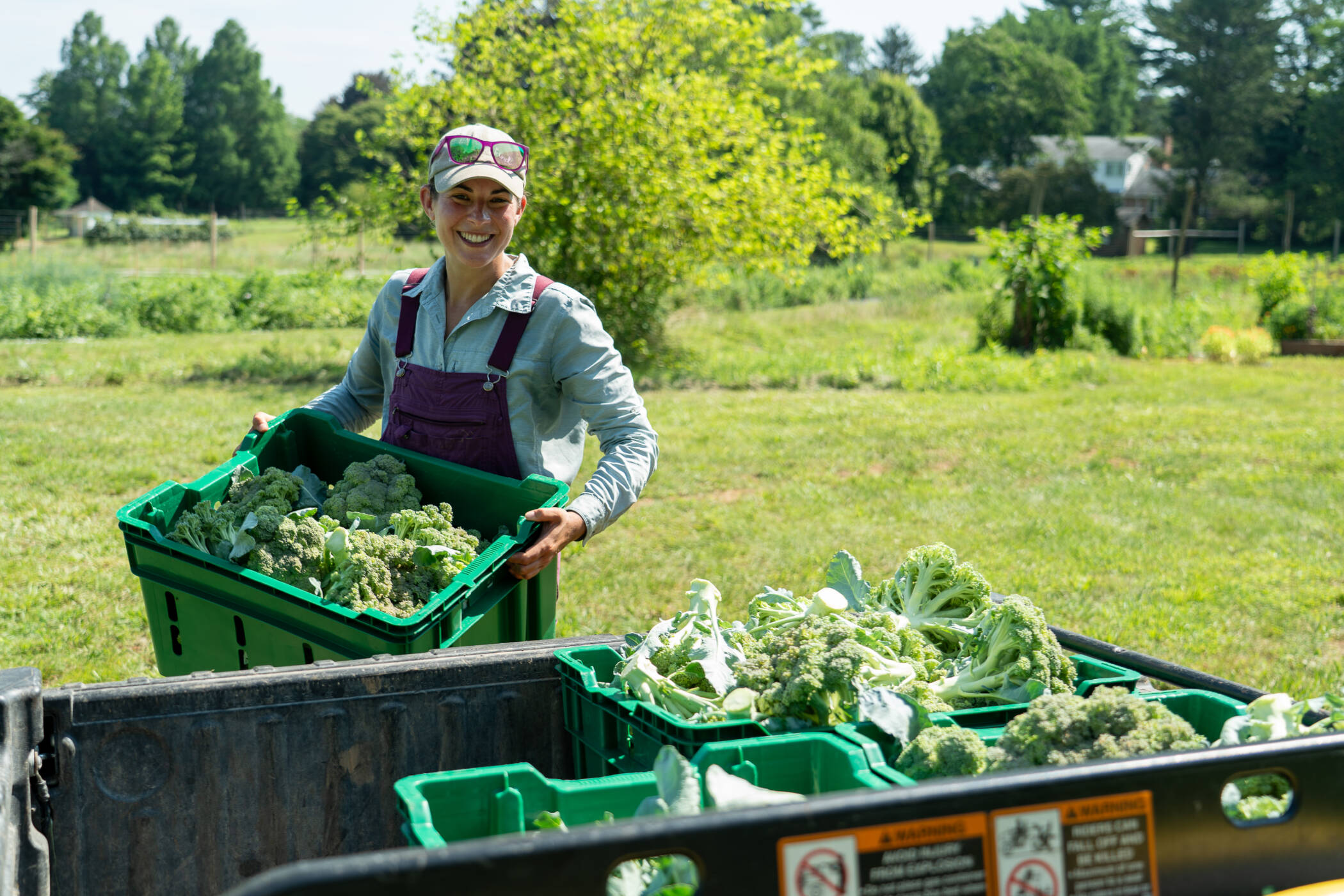
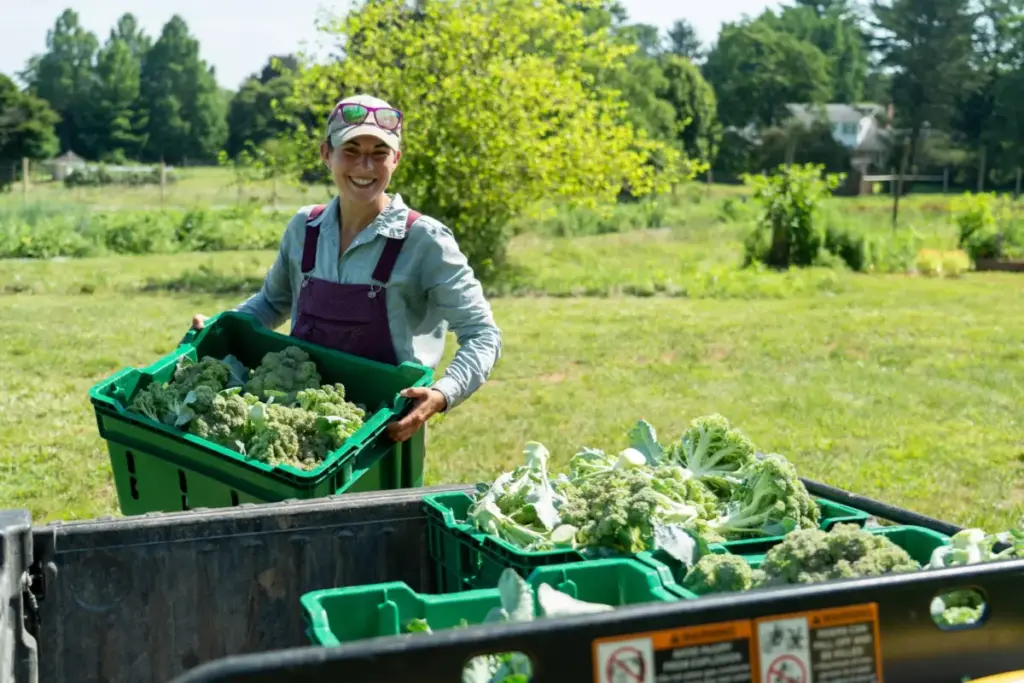
- 2014: The establishment of the St. Luke’s–Rodale Institute Organic Farm marked a watershed moment. By integrating a certified organic farm directly with the St. Luke’s University Health Network’s Anderson Campus in Easton, Pennsylvania, healthcare providers began supplying fresh, chemical-free produce directly to patients and hospital staff.
- 2023: Expanding this institutional model, the Cornwall Manor–Rodale Institute Trailside Organic Farm in Lebanon, Pennsylvania, launched its first full growing season, yielding an impressive 9,150 pounds of fresh food specifically tailored for the residents of a retirement community.
- 2025: The movement achieved further institutional validation with a new partnership between Phoebe Ministries and the Rodale Institute at Founders Farm in Allentown, Pennsylvania, designed to supply vulnerable senior populations with hyper-local, nutrient-dense organic produce.
Supporting Context & Metrics
The urgency driving the regenerative healthcare movement is underscored by sobering public health data, agricultural science, and modern longevity research.
The Twin Crises of Obesity and Ultra-Processing
According to data compiled by the Centers for Disease Control and Prevention (CDC), approximately 40 percent of American adults are classified as obese. This condition serves as a primary risk factor for type 2 diabetes, cardiovascular disease, and a myriad of other debilitating medical conditions. Crucially, obesity is not merely a byproduct of individual dietary choices or an abundance of food; it is heavily tied to socioeconomic factors. Food-insecure households in the U.S. face disproportionately higher risks of obesity precisely because ultra-processed, calorie-dense, and nutrient-poor foods are often the most financially accessible options.
Today, ultra-processed foods—manufactured using the refined byproducts of industrial corn, soy, and wheat, such as high-fructose corn syrup, hydrogenated oils, and modified starches—account for more than 50 percent of the average American’s daily caloric intake.
The human cost of this dietary reliance is staggering. A landmark study published in the American Journal of Preventive Medicine revealed that the consumption of ultra-processed foods is directly responsible for an estimated 124,000 premature deaths annually in the United States.
Dr. Meagan Grega, a Pennsylvania-based physician certified in lifestyle medicine and a prominent speaker at the Rodale Institute Regenerative Healthcare Conference, notes the dual mechanism of this harm:
"Ultra-processed foods increase our risk of morbidity and mortality through two mechanisms: the impact of the foods themselves and the loss of benefits from other more nutritious foods that they replace in our diet."
The Longevity Dividend of an Optimal Diet
The physiological benefits of shifting away from the standard Western diet toward an unadulterated, nutrient-dense lifestyle are profound. Citing data derived from the 2019 Global Burden of Disease study, Dr. Grega emphasizes that adopting an "optimal diet"—characterized by high consumption of whole grains, legumes, fish, fruits, vegetables, and nuts, alongside minimal intake of red meats, sugar-sweetened beverages, and refined grains—yields immense gains in human life expectancy.
- At Age 20: Sustaining an optimal diet over a lifetime can result in an estimated 10.7 additional years of life expectancy for women and 13 additional years for men.
- At Age 60: Even individuals who adopt these dietary changes later in life experience remarkable health dividends, gaining an estimated 8 additional years of life expectancy, regardless of gender.
Soil Health Equals Nutritional Wealth
Why must healthcare providers look specifically to organic and regenerative crops rather than conventional produce? The answer lies in the living ecosystem of the soil. Organically managed soils host vastly higher levels of microbial diversity than conventionally farmed soils treated with synthetic fertilizers and pesticides.
Decades of comparative agricultural research have consistently demonstrated the nutritional payoff of this biological activity. For instance, a landmark 10-year comparative study conducted at the University of California, Davis, found that tomatoes grown organically developed significantly higher concentrations of anticancer flavonoids than their conventionally grown counterparts. Similarly, ongoing investigations through the Rodale Institute’s Vegetable Systems Trial continue to map the direct correlation between regenerative farming techniques and the amplification of bioactive phytochemicals in harvested crops.
Official Statements & Expert Insights
As the intersection of agriculture and medicine gains institutional momentum, thought leaders across multiple disciplines are defining the core tenets of regenerative healthcare.
Defining Regenerative Healthcare
The philosophy behind this movement transcends simple organic consumption; it envisions a complete redesign of how society views healing. According to the Rodale Institute’s foundational 2020 report, The Power of the Plate: Regenerative Organic Agriculture:
"Regenerative healthcare aims to prevent disease and regenerate life through an organic, whole-foods, plant-forward diet that begins on farms that work in harmony with nature. Regenerative healthcare harnesses the power of nutritious food and lifestyle to suspend, reverse, and prevent disease."
This sentiment is echoed at the annual Rodale Institute Regenerative Healthcare Conference, an interdisciplinary gathering that brings together medical doctors, scientific researchers, agriculturalists, and consumer advocates. By breaking down the silos between farming and medicine, the conference fosters collaborative solutions aimed at making organic, nutrient-dense food universally accessible.
Feeding Those Who Need It Most
The operational success of farm-to-hospital and farm-to-senior-living initiatives proves that regenerative healthcare is not merely a theoretical ideal, but a scalable reality. Speaking on the institutional partnerships established in Pennsylvania, project coordinators emphasize the moral and practical imperative of serving vulnerable populations.
By integrating organic farms directly into healthcare networks like St. Luke’s University Health Network, retirement communities like Cornwall Manor, and senior care facilities under Phoebe Ministries, these institutions are demonstrating that high-quality, chemical-free food can—and should—be utilized as a primary clinical intervention for recovering patients and aging populations alike.
Future Outlook
The trajectory of modern healthcare is rapidly approaching a critical crossroads. As chronic disease rates continue to climb alongside the environmental degradation of arable land, the conventional model of symptom management via pharmaceuticals is facing mounting economic and ethical scrutiny.
The future of health and wellness lies in a holistic reintegration of ecological stewardship and clinical practice. Scalable models like the Rodale Institute’s agricultural partnerships provide a blueprint for a nationwide transformation. In the coming years, we can anticipate several key developments:
- Mainstreaming Food as Medicine: Medical schools and residency programs are beginning to incorporate nutritional science and agricultural literacy into their core curricula, preparing the next generation of physicians to write dietary prescriptions with the same precision as pharmaceutical ones.
- Institutional Procurement Shifts: Hospitals, assisted living facilities, and school districts will increasingly partner with local regenerative organic farms, redirecting institutional buying power to support soil health and local economies simultaneously.
- Advanced Nutritional Metrics: Ongoing scientific trials will continue to quantify the exact molecular differences between conventionally and regeneratively grown foods, giving clinicians precise data to target specific chronic inflammatory and metabolic conditions.
Ultimately, regenerative healthcare reminds humanity of a fundamental truth: we cannot be healthy on a sick planet. By repairing the degradation of our soils and restoring the nutrient density of our food supply, society can heal the human body at its cellular core. The prescription for the future is clear—it begins in the dirt, flourishes on the plate, and restores vitality to generations to come.



