Across the globe, the frontline of environmental and social resistance is expanding rapidly. From the halls of international diplomacy to waterlogged provinces, dense urban centers, and smoky regional air basins, civil society actors and environmental advocates are pushing back against systemic ecological degradation, militarization, and socioeconomic inequities. In late 2026, Greenpeace and allied organizations have captured the world’s attention through a series of high-impact mobilizations.
This comprehensive report details a week of intensive global action. Activists utilized culturally resonant symbols—such as Muay Thai fighters in Bangkok and traditional outrigger canoes in Fiji—to challenge entrenched power structures. Simultaneously, large-scale demonstrations in Berlin, Zurich, Madrid, Palembang, and Chachoengsao highlighted the interconnected crises of climate change, hazardous air pollution, housing precarity, and creeping militarization. Together, these events illustrate a unified global demand: that governments, corporations, and international bodies abandon unsustainable, high-risk policies and pivot urgently toward equitable, sustainable futures.
Detailed Chronology of Global Actions
1. Bangkok, Thailand: Striking at the Source of Plastic Pollution
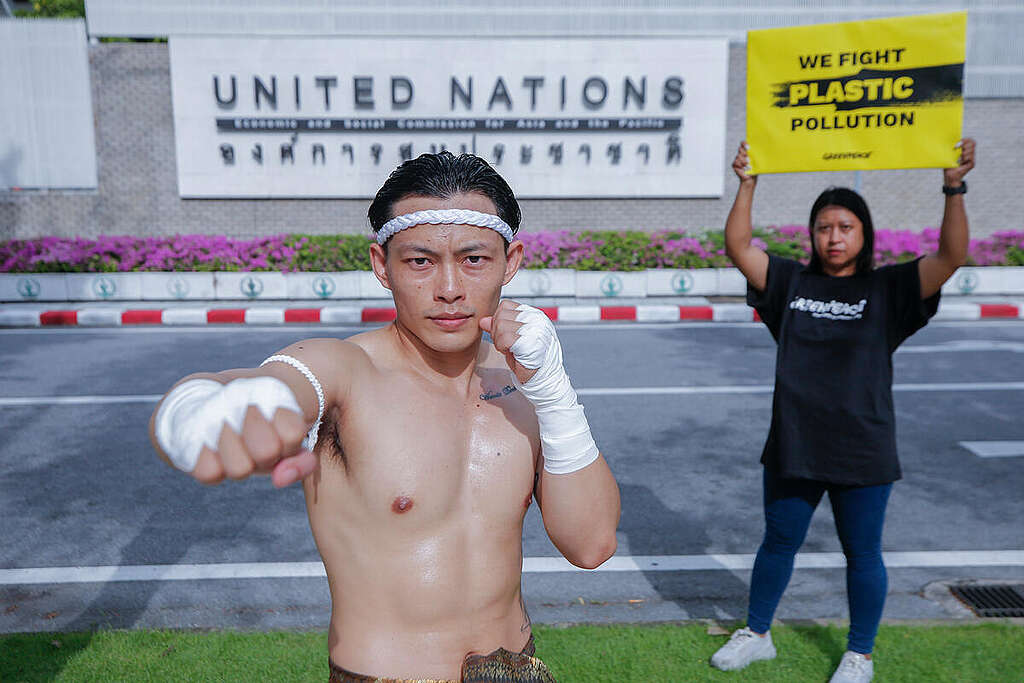
Outside the United Nations regional offices in Bangkok, where Heads of Delegation (HODs) from Member States convened to negotiate global environmental frameworks, Greenpeace Thailand staged a striking visual demonstration. Joined by a professional Muay Thai fighter, activists utilized the imagery of Thailand’s national martial art to deliver an unmistakable message to the international community.
The action was designed to symbolize the urgent necessity of "fighting" plastic pollution directly at its source. Rather than relying solely on downstream waste management or recycling initiatives—which have repeatedly proven inadequate against industrial-scale polymer production—the activists demanded that governments place mandatory cuts in virgin plastic production at the heart of a legally binding Global Plastics Treaty. The demonstration served as a direct pressure point for delegates inside the negotiating rooms, reminding them that incremental reforms will no longer suffice.
2. Berlin, Germany: Resistance to Compulsory Military Service and Rearmament
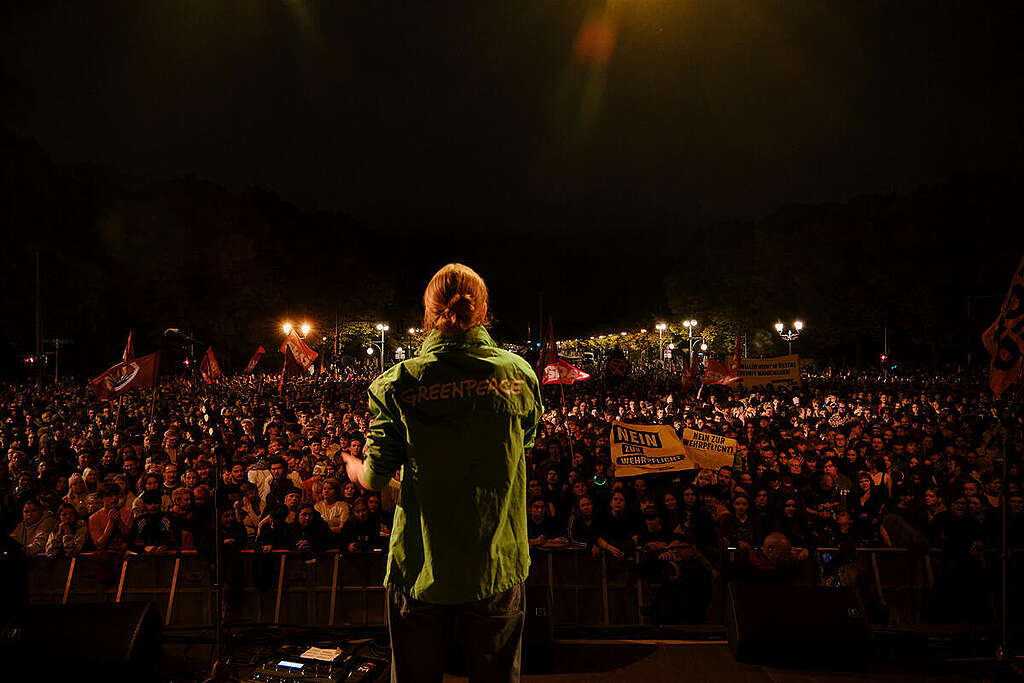
In Europe, the focus shifted toward questions of security, peace, and public spending. Under the resolute banner "Unzwingbar – kein Bock auf Krieg und Wehrpflicht" ("Indomitable – No Interest in War and Conscription"), a massive mobilization gathered at Berlin’s historic Brandenburg Gate. Organised by a broad coalition of youth, peace, and civil society groups alongside Greenpeace Germany, the event combined live music performances by prominent acts like K.I.Z., Disarstar, and Apsilon with sharp political critique.
The core of the demonstration targeted the potential reintroduction of compulsory military service and a broader trend toward unchecked militarisation across Germany. Speakers—including youth representatives from Greenpeace—argued that escalating defense spending diverts crucial public funds away from climate action, education, and social infrastructure. The rally challenged the notion that national security can be achieved solely through military expansion, advocating instead for a redefined security policy centered on human well-being and ecological stability.
3. Nadi, Fiji: Holding the Line at 1.5°C in the Pacific
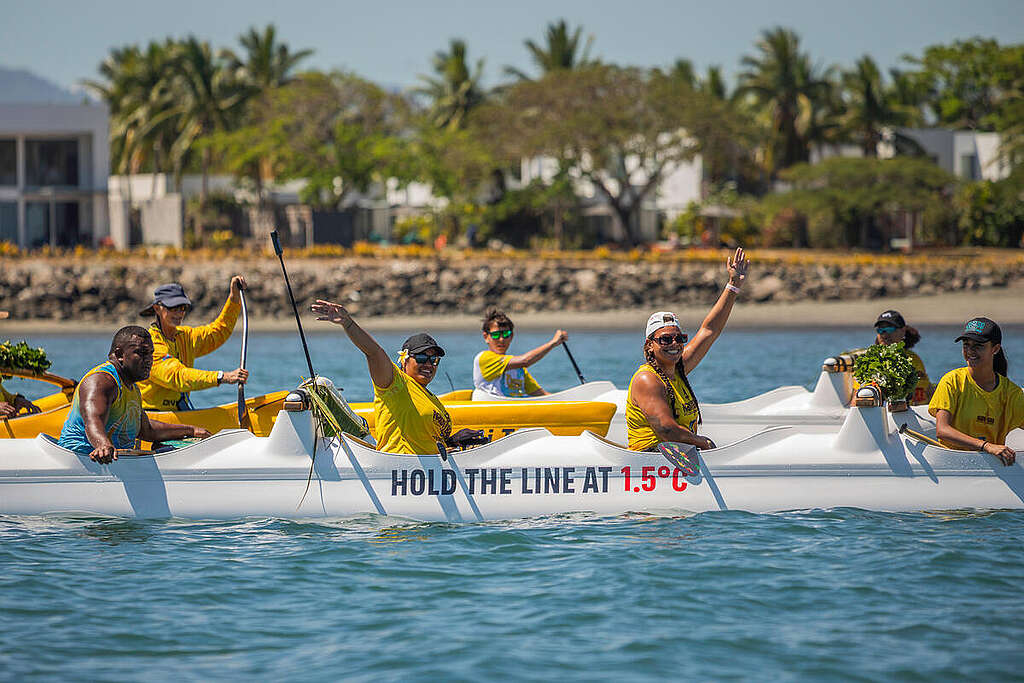
Against the backdrop of the Pre-COP climate summit in Nadi, Fiji, a vibrant, waterborne flotilla delivered a stark and urgent warning to international climate negotiators. Comprising approximately 80 participants—including Indigenous Pacific and Torres Strait community members, revered Elders, and youth activists—the demonstration featured the sailing vessel Oceania alongside a fleet of traditional outrigger canoes.
Adorned with hand-painted banners reading "Hold the Line at 1.5°C" and "Keep 1.5°C Alive," the flotilla served as a floating reminder that the temperature limits established under the Paris Agreement are not flexible political targets, but non-negotiable survival thresholds for low-lying island nations. With Australia slated to assume the presidency of the upcoming COP31 negotiations in Türkiye, the protest directly targeted governments continuing to back fossil fuel expansion, demanding an immediate halt to new oil, gas, and coal projects.
4. Palembang, Indonesia: Battling Hazardous Wildfire Haze
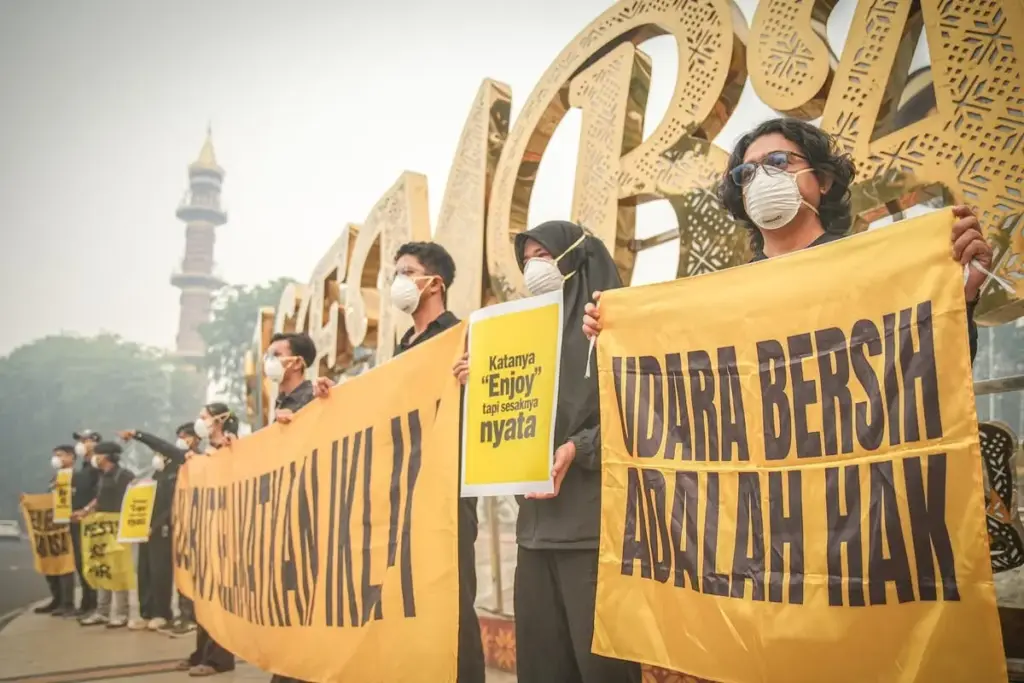
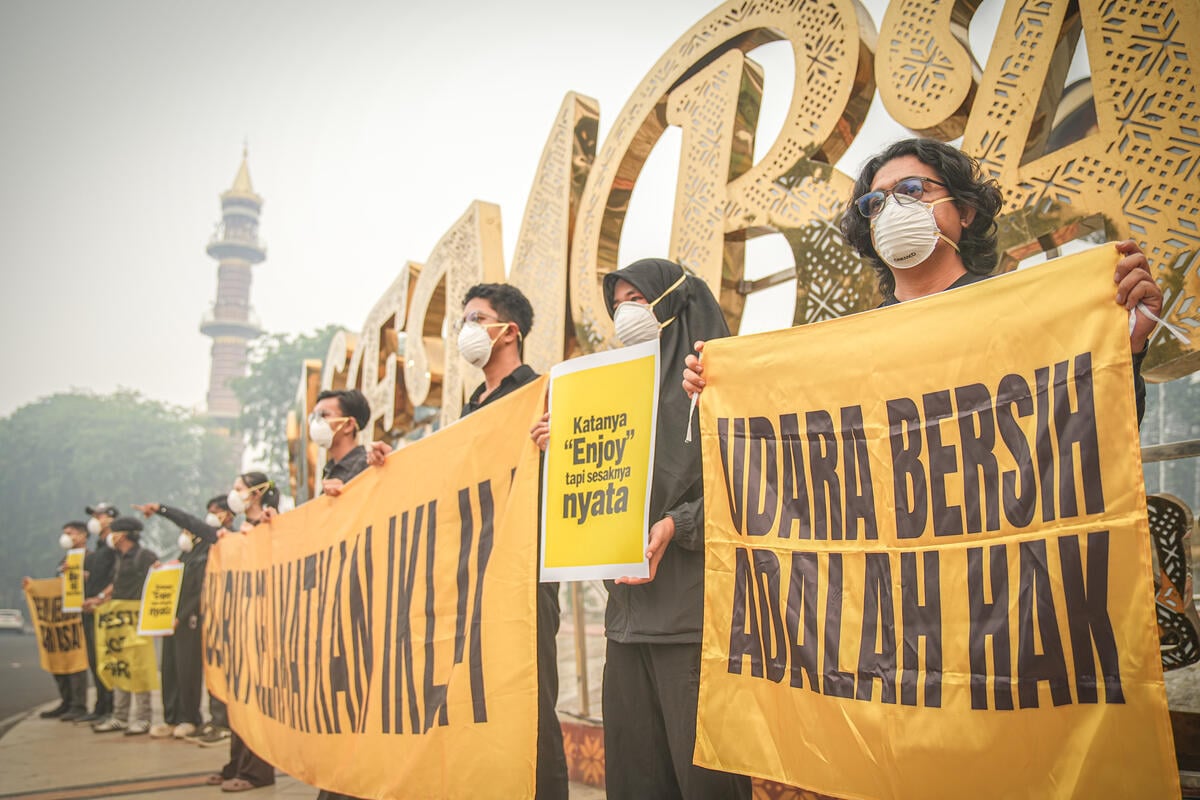
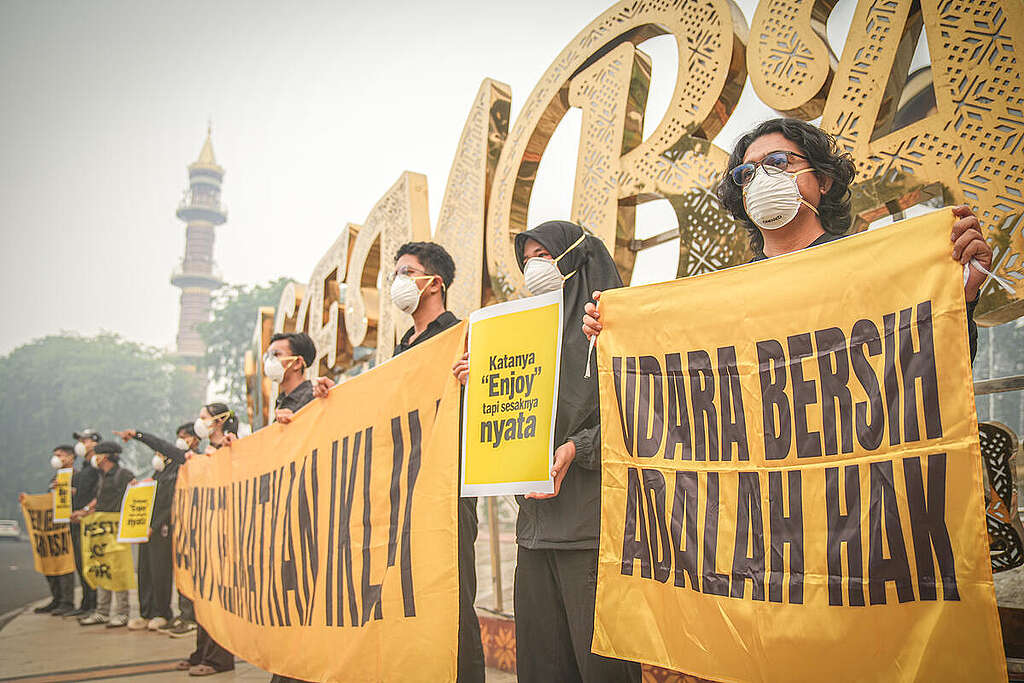
In Southeast Asia, the human cost of ecological neglect manifested in choking, hazardous smog. Members of the Greenpeace Indonesia Forest Fires Prevent Team (Tim Cegah Api) gathered in Palembang, South Sumatra, to protest a prolonged environmental crisis. For nearly two months, toxic haze from agricultural and forest fires had blanketed the region, driving air pollution to hazardous levels and severely impacting public health.
The protest highlighted not only the local devastation in Sumatra but also the transnational nature of the crisis, as the toxic air currents drifted across borders, degrading air quality in neighbouring Singapore and Malaysia. The demonstration underscored the failure of current regulatory enforcement against illegal land-clearing practices and peatland drainage, calling for immediate, stringent accountability for corporate actors driving deforestation.
5. Zurich, Switzerland: Demanding "No 50°C Summers!"
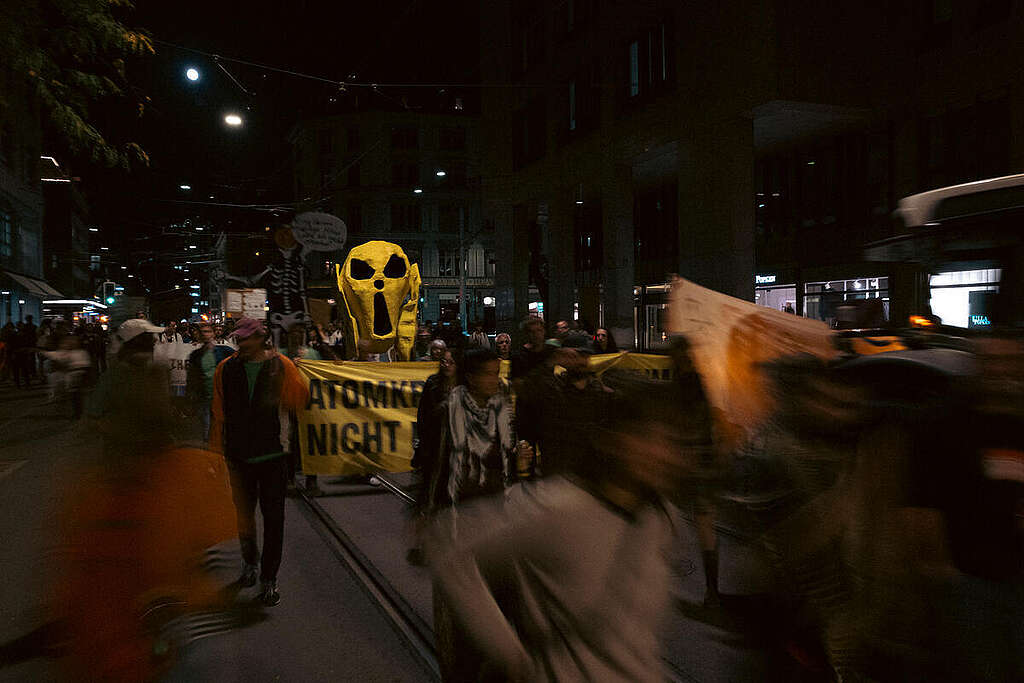
In central Europe, public anxiety over accelerating climate disruption boiled over into the streets of Zurich. An estimated 7,000 demonstrators marched through the city under the provocative and urgent slogan: "No 50°C summers!"
Organised by a robust coalition comprising more than 70 civil society groups spanning the climate, health, environmental, and agricultural sectors, the mobilization demanded immediate, aggressive adaptation and mitigation policies from the Swiss government. The coalition emphasized that rising global temperatures pose an immediate threat to public health—particularly among vulnerable elderly populations—as well as alpine ecosystems and agricultural security, necessitating a rapid transition away from fossil-dependent systems.
6. Madrid, Spain: Fighting for the Right to Decent Housing
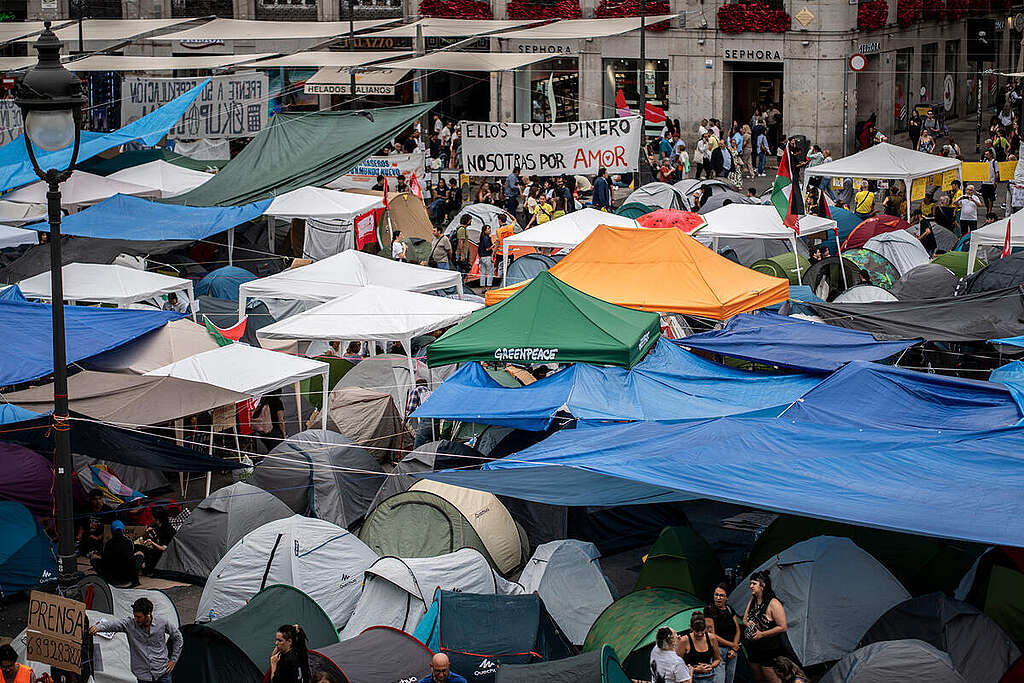
Environmental justice and social welfare converged vividly in the heart of Spain. Greenpeace Spain activists and concerned citizens participated in a high-visibility sit-in at the iconic Puerta del Sol in Madrid.
The demonstration directly addressed the severe housing affordability crisis gripping urban centers across Spain. By linking environmental activism with housing rights, participants highlighted that the struggle for sustainable cities must also guarantee equitable access to safe, stable, and affordable shelter. The action rejected speculative real estate markets that push working-class families to the margins while contributing to urban heat islands and inefficient resource consumption.
7. Chachoengsao Province, Thailand: Dual Crises of Flooding and Fossil Gas Expansion
Rounding out the week’s actions, Greenpeace Thailand staff and volunteers mobilized on the ground in Chachoengsao Province to support communities reeling from catastrophic flooding. Beginning on September 25, extreme weather inundated 11 districts across the province, impacting more than 23,790 households.
Adding insult to injury, this climate-fuelled disaster unfolded in an area where authorities have proposed the construction of the 540-megawatt Burapha Power fossil gas plant. Local residents and environmentalists strongly condemned the project, noting that it threatens vital water resources, worsens regional air pollution, and locks the province into further greenhouse gas emissions. Greenpeace Thailand urged the government to halt all fossil fuel expansions and redirect resources toward community resilience and renewable energy.
Supporting Context & Metrics
The convergence of these distinct crises—ranging from industrial plastic production to regional militarization, climate-driven weather extremes, and urban housing deficits—reveals a deeply interconnected global landscape.
Plastics and Petrochemicals: Global plastic production continues to scale upwards, with current projections indicating that output could double within the next two decades unless international treaties establish hard caps on virgin polymer manufacturing.
Climate Thresholds: Scientific consensus underscores that breaching the 1.5°C global warming threshold risks triggering irreversible tipping points, particularly for marine ecosystems, glacial melt, and low-lying island states like Fiji.
Air Quality and Public Health: In regions like Southeast Asia, peatland degradation and forest fires release gigatons of carbon while exposing tens of millions of urban residents to particulate matter (PM2.5) concentrations far exceeding World Health Organization (WHO) safety guidelines.
Extreme Weather Vulnerability: Events such as the severe flooding in Thailand’s Chachoengsao Province demonstrate the compounding economic and humanitarian tolls of climate change, where vulnerable communities are forced to endure extreme weather while simultaneously battling new fossil infrastructure projects in their backyards.
Official Statements
Activists, organizers, and institutional representatives utilized the week’s events to articulate clear policy demands:
"The fight against plastic pollution cannot be won at the recycling bin; it must be won at the factory gate. Governments meeting in Bangkok must realize that a strong Global Plastics Treaty is impossible without mandatory caps on production."
— Greenpeace Campaign Spokesperson, Bangkok
"We cannot allow our futures to be mortgaged to ever-increasing defense budgets while the climate crisis accelerates unchecked. True security requires investing in ecological stability, youth futures, and peace—not rearmament and conscription."
— Greenpeace Youth Representative, Berlin
"The 1.5-degree limit is not a bureaucratic negotiation point for the global North; it is our red line for survival. We will continue to hold the line from the Pacific to the halls of COP."
— Pacific Climate Activist, Nadi, Fiji
Future Outlook
As international diplomatic calendars shift toward upcoming climate summits (including COP31 preparations) and ongoing environmental treaty negotiations, the pressure from civil society is intensifying. The events in Bangkok, Berlin, Nadi, Palembang, Zurich, Madrid, and Chachoengsao demonstrate that modern environmentalism is inherently intersectional.
Moving forward, Greenpeace and its global coalition partners will continue to leverage visual activism, direct advocacy, and community solidarity to challenge corporate impunity and government inaction. Whether confronting the fossil fuel industry, demanding equitable urban housing, or resisting militarization, the message from the global frontline remains consistent: systemic transformation is no longer a utopian ideal, but an absolute prerequisite for human survival.