Executive Overview
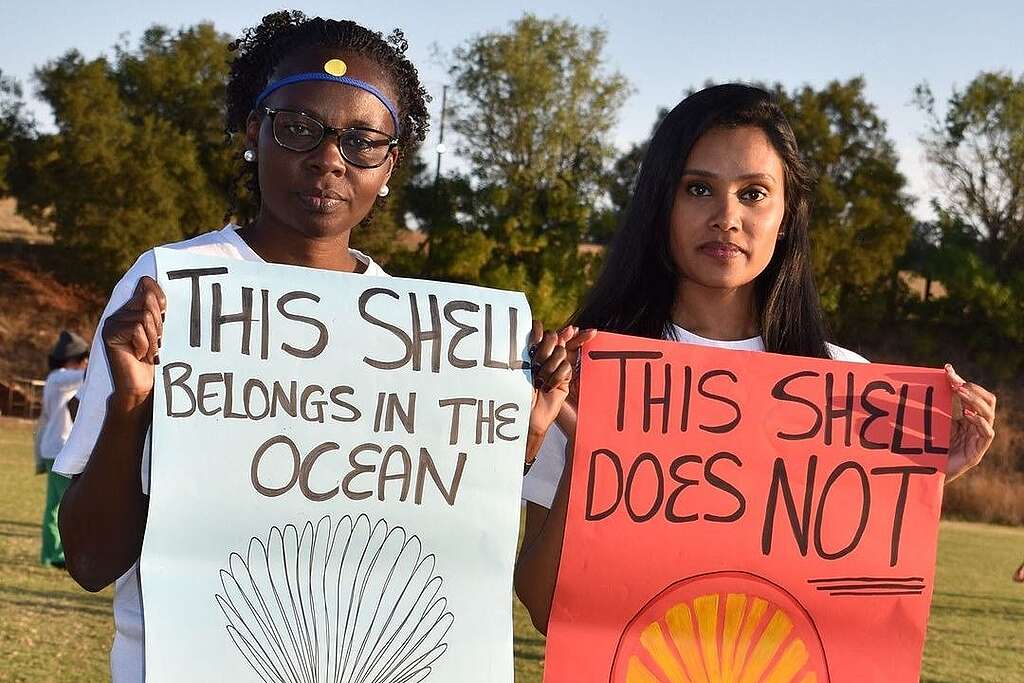
In a landmark legal and social triumph on August 14, 2026, South Africa’s Constitutional Court delivered a definitive, permanent blow to the fossil fuel industry by halting Shell and Impact Africa’s controversial oil and gas exploration off the country’s pristine Wild Coast. The ruling brings a grueling years-long legal battle to a close, decisively upholding a 2022 Makhanda High Court judgment that found the original exploration rights had been granted unlawfully.
By rejecting a subsequent Supreme Court of Appeal (SCA) loophole—which would have allowed Shell to retrospectively remedy its flawed consultation processes—the nation’s apex court sent an uncompromising message: speculative financial investments and corporate balance sheets cannot supersede foundational constitutional rights, procedural justice, and environmental preservation.
For Indigenous communities, local fishers, and environmental justice organizations, the ruling represents far more than a single legal victory. It is a watershed moment for people-powered resistance against neocolonial extractivism across Africa. As the global community grapples with escalating climate breakdown, this ruling reinforces the imperative for African nations to pivot away from fossil fuel dependency and embrace decentralized, sustainable renewable energy ecosystems funded by polluter-accountability mechanisms.
Detailed Chronology: The Anatomy of a Grassroots Legal Battle
The battle to protect the Wild Coast did not materialize overnight; it was forged through relentless community mobilization and strategic, multi-tiered litigation.
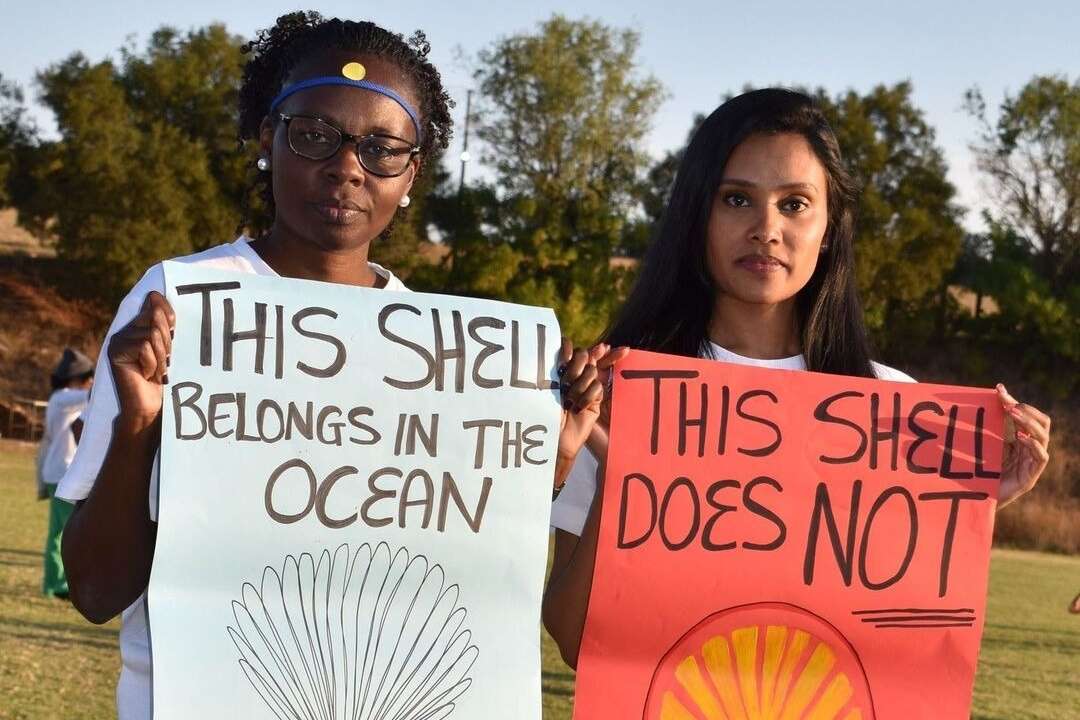
- December 2021: Facing imminent threats from the arrival of the seismic survey vessel Amazon Warrior, Wild Coast communities and civil society organizations launched an urgent application in the Makhanda High Court. The court granted a temporary interdict, halting the seismic blasting that threatened marine ecosystems and local livelihoods.
- The High Court Review: Shell and Impact Africa challenged the interdict, leading to a judicial review in the Makhanda High Court. In late 2022, the court ruled in favor of the communities, setting aside the exploration right entirely due to the government’s failure to meaningfully consult affected Indigenous groups and consider potential harm to their spiritual, cultural, and economic practices.
- The Supreme Court of Appeal (SCA) Twist: Dissatisfied, Shell appealed to the SCA. While the SCA upheld the finding that the initial granting of the rights was unlawful, it introduced a controversial backdoor: it gave Shell an opportunity to cure the procedural defect retroactively through a later consultation phase.
- The Apex Court Showdown: Refusing to accept a compromised process that treated constitutional violations as administrative oversights that could be easily ticked off a list, the communities escalated the matter to South Africa’s highest tribunal, the Constitutional Court.
- August 14, 2026 – The Final Verdict: The Constitutional Court permanently set aside the exploration right and its subsequent renewals. The court firmly rejected the notion that retroactive consultation could cure an unlawful inception, establishing a formidable precedent for environmental and procedural justice across the continent.
Supporting Context & Metrics: Ecological Risks and Historical Injustices
The Scourge of Seismic Blasting
Shell’s proposed exploration strategy relied on a five-month seismic survey utilizing high-powered airguns. These devices discharged massive shockwaves into the seabed every ten seconds to map subterranean oil and gas deposits. Marine experts repeatedly warned that these industrial-grade shockwaves could disorient, injure, or kill a broad spectrum of marine life.
The survey path intersected directly with the migration routes and habitats of vulnerable and endangered species, including:
- Southern Right Whales: Vital to marine biodiversity and coastal ecotourism.
- The Coelacanth: A critically endangered "living fossil" fish historically found off the South African coast.
Beyond the immediate acoustic trauma of seismic testing, communities feared the cascading risks of future exploratory drilling, commercial extraction, and catastrophic oil spills. These hazards directly threatened the artisanal fishing and ecotourism industries upon which thousands of coastal residents depend.
Shadows of the Niger Delta
Opposition to Shell’s Wild Coast ambitions was heavily informed by the multinational corporation’s dark environmental legacy in the Niger Delta, Nigeria, where commercial oil extraction began in 1958. For decades, Niger Delta communities have endured severe ecosystem degradation, polluted water systems, unmitigated oil spills, and the violent suppression of environmental protests—epitomized by the tragic execution of activist Ken Saro-Wiwa. South African activists viewed the Wild Coast incursion as the opening salvo of a much larger, destructive fossil fuel expansion that threatened to replicate these exact injustices on southern shores.
Economic Realities and the Extraction Paradox
Proponents of fossil fuel projects frequently market them as catalysts for national prosperity and job creation. Yet, South Africa remains the most unequal society in the world, plagued by chronic unemployment exceeding 33%.
Furthermore, structural flaws in global taxation allow multinational extractive corporations to siphon at least 12% of their global profits—and up to 20% during commodity booms—into offshore tax havens. This systemic tax evasion deprives African governments of billions of dollars annually, starving public coffers of the capital needed to fund robust health, education, and climate-adaptation infrastructures. Communities living adjacent to heavy fossil fuel infrastructure, such as Wentworth in KwaZulu-Natal, are routinely trapped in downward cycles of poverty and chronic health burdens.
Official Statements: Voices from the Movement
The Constitutional Court’s ruling elicited profound emotional and intellectual responses from the legal teams, community leaders, and activists who championed the cause:
- Sinegugu Zukulu (Sustaining the Wild Coast): "We went to court for the future and for future generations, not for profit. For centuries, colonialism and capitalism have enabled a system that ignores the rights of Indigenous People in their own land. At last we have been able to assert the rights of Indigenous People over the profits of global corporations."
- Nonhle Mbuthuma (Amadiba Crisis Committee): Highlighting the parallel struggles against terrestrial and oceanic mining, Mbuthuma emphasized that true regional development must be self-determined by local populations rather than dictated by corporate boardrooms.
- Delme Cupido (Natural Justice): Pointing to the systemic flaws in corporate consultation processes, Cupido noted, "Public participation is not simply about ticking boxes, but about putting people’s dignity at the centre of decisions that affect their lives, rights, and cultural practices."
- Eugene Perumal (Greenpeace Africa): Summarizing the broader philosophical triumph of the case, Perumal asserted, "People and their constitutional rights come before corporate profits."
Future Outlook: The Path to Energy Sovereignty and a Just Transition
Redefining Development Through Renewables
The Constitutional Court’s reliance on international frameworks, including the 2025 International Court of Justice advisory opinion on climate change, cements the legal link between ecological stewardship and human rights. This verdict delivers a strategic blueprint for the Southern African Development Community (SADC) and the wider African continent: development can no longer be defined solely by foreign direct investment in polluting industries.

Instead, the ruling accelerates the case for a comprehensive "Just Transition" toward renewable energy. In 2025, approximately 85% of new global power capacity additions were renewable—predominantly solar and wind. South Africa, endowed with abundant solar irradiation and robust coastal wind patterns, possesses the natural assets required to build a resilient, decentralized energy grid.
Overcoming the Energy Crisis
South Africa’s heavy reliance on aging coal infrastructure has historically triggered devastating power cuts (load shedding), paralyzing economic productivity. Transitioning to decentralized renewable systems combined with battery storage technologies offers a two-fold solution: it secures reliable electricity generation and liberates the nation from volatile international fossil fuel markets prone to geopolitical price shocks.
Financing the Transition: The Polluter Pays Principle
To finance this structural transformation without placing undue tax burdens on working-class citizens, civil society groups are increasingly advocating for robust national and global taxation of heavy polluters. Implementing a progressive global polluter tax—starting at 20% on the surplus profits of major fossil fuel corporations—could generate upwards of $100 billion annually. These funds are earmarked specifically for climate adaptation, loss-and-damage compensation, and accelerated investment in clean energy infrastructure.
As South Africa engages with international frameworks like the United Nations Tax Convention, the Wild Coast judgment stands as a beacon of hope. It demonstrates that when communities are empowered by constitutional protections, legal solidarity, and people power, David can indeed slay Goliath, charting a sustainable course toward true sovereignty, environmental justice, and economic resilience.