Executive Overview
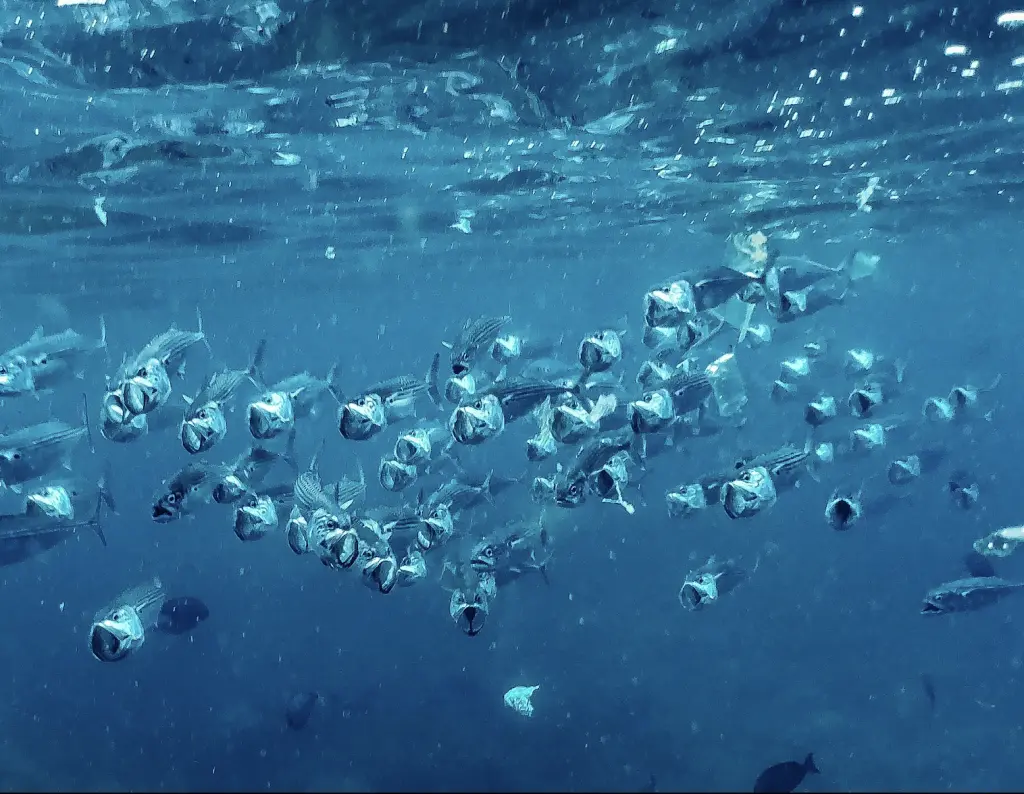
The North Atlantic, long celebrated for its breathtaking coastlines and rich maritime heritage, has quietly transformed into the theater of a high-stakes geopolitical conflict. At the center of this bitter international dispute is Scomber scombrus—the Atlantic mackerel—a pelagic powerhouse that serves as a cornerstone of both marine ecosystems and commercial fishing economies. For more than a decade, this vital species has been subjected to relentless, uncoordinated overfishing. According to marine conservation organizations like the Blue Marine Foundation, the North Atlantic mackerel population has plummeted by an astonishing 10 million tons over the last ten years.
This dramatic decline has not, however, prompted a precautionary retreat by the nations that harvest it. Instead, it has triggered a modern resource scramble reminiscent of territorial land rushes. Coastal states and distant-water fishing nations—including Norway, Denmark, Iceland, the United Kingdom, the European Union, and the Russian Federation—are currently locked in a fierce cycle of competitive overfishing, fighting tooth and nail over the rapidly diminishing remnants of the stock.
Despite repeated, urgent warnings from international fisheries scientists and marine biologists that current catch rates far exceed sustainable limits, politicians and industry leaders continue to set unilateral quotas that prioritize short-term economic gains over long-term ecological survival. The consequences of this deadlock are severe. Fisheries scientists warn that without immediate, binding international cooperation and drastic reductions in fishing mortality, the North Atlantic mackerel fishery faces the imminent threat of total collapse. Such a collapse would not only devastate marine biodiversity, depriving apex predators and cetaceans of a fundamental food source, but it would also obliterate thousands of jobs and destabilize coastal economies across Northern Europe and the North Atlantic basin.
Detailed Chronology: How the Mackerel Crisis Unfolded
To understand how one of the world’s most profitable fisheries was pushed to the brink of collapse, one must examine the complex geopolitical shifts and climate-driven migration patterns that fractured a once-stable management regime.
The Era of Stable Management (Pre-2007)
For decades, the management of North Atlantic mackerel was governed by relatively stable coastal state arrangements. The primary stakeholders—principally the European Union, Norway, and the Faroe Islands—negotiated annual total allowable catch (TAC) limits based on scientific advice provided by the International Council for the Exploration of the Sea (ICES). While disputes occasionally flared, the framework largely succeeded in keeping exploitation rates within safe biological limits.
Climate Migration and the Rogue Quota Era (2007–2012)
The fragile consensus began to unravel in the late 2000s, driven largely by climate change. As North Atlantic waters warmed, mackerel altered their traditional migration routes, expanding far beyond their historical feeding grounds in the North Sea and waters west of the British Isles. Schools of mackerel began migrating in massive numbers into the cooler, nutrient-rich waters of Icelandic and Faroese jurisdictions.
Sensing an economic windfall, Iceland and the Faroe Islands demanded a significantly larger share of the overall TAC, arguing that the fish were now resident in their waters for a major portion of the year. When the EU and Norway—who historically claimed the lion’s share of the quota—refused to yield, Iceland and the Faroe Islands walked away from the negotiating table. In 2010, both nations unilaterally set their own massive, non-scientifically backed catch quotas. This marked the official breakdown of international consensus, triggering the first wave of the modern "mackerel wars."
The Post-Brexit Geopolitical Fracturing (2016–2020)
Just as coastal states began tentative, albeit fragile, efforts to bring independent nations back into a shared management framework, the geopolitical landscape was upended by Brexit. The departure of the United Kingdom from the European Union severed decades-old fisheries agreements.
Suddenly, UK waters—which account for a vast proportion of the mackerel feeding and spawning grounds—became an independent coastal zone. Rather than uniting with the EU, Norway, Iceland, the Faroe Islands, and Russia to form a unified management front, the UK pursued an independent path. This added yet another powerful player to the negotiation arena, each nation armed with its own domestic political pressures, powerful fishing lobbies, and conflicting interpretations of historical fishing rights.
The Current Impasse: Unilateralism vs. Science (2021–Present)
Today, the situation has devolved into a tragedy of the commons on an industrial scale. Year after year, ICES issues dire warnings, recommending strict reductions in catches. Yet, year after year, the sum of the unilateral quotas set by the individual nations—Norway, the UK, the EU, Iceland, the Faroe Islands, and Russia—exceeds the scientific advice by anywhere from 30% to 50%.
Attempts to negotiate a comprehensive, multi-lateral Coastal State Agreement have repeatedly collapsed. Nations routinely accuse one another of acting in bad faith, pointing fingers while deploying state-of-the-art supertrawlers equipped with advanced sonar and massive purse-seine nets to extract every last ton of mackerel before their competitors beat them to it.
Supporting Context & Metrics: The Scale of the Catastrophe
The gravity of the Atlantic mackerel crisis cannot be overstated. It is documented by stark metrics, biological realities, and socioeconomic implications that extend far beyond the fishing docks.
The Numbers Behind the Decline
- 10 Million Tons Lost: According to Jonny Hughes and biological assessments cited by conservation groups, the total biomass of the North Atlantic mackerel population has plummeted by more than 10 million tons over the past decade.
- The Overfishing Gap: In recent years, the combined catch quotas set by the governing nations have consistently outstripped scientific advice. For instance, while ICES recommended sustainable catch limits, the actual removals by coastal states exceeded these recommendations by hundreds of thousands of tons annually, neutralizing any chance for the stock to recover.
- Spawning-Stock Biomass (SSB): The spawning-stock biomass of mackerel has experienced a steady, alarming downward trend. Once boasting a robust and resilient population capable of absorbing heavy fishing pressure, the stock is now classified as having reduced reproductive capacity, increasing the risk of recruitment failure—a scenario where too few juvenile fish survive to replace the adults being caught.
The Ecological Role of Mackerel
Mackerel are not merely a commercial commodity; they are a vital ecological linchpin in the marine food web. As mid-water pelagic predators and prey, they occupy a crucial trophic level.
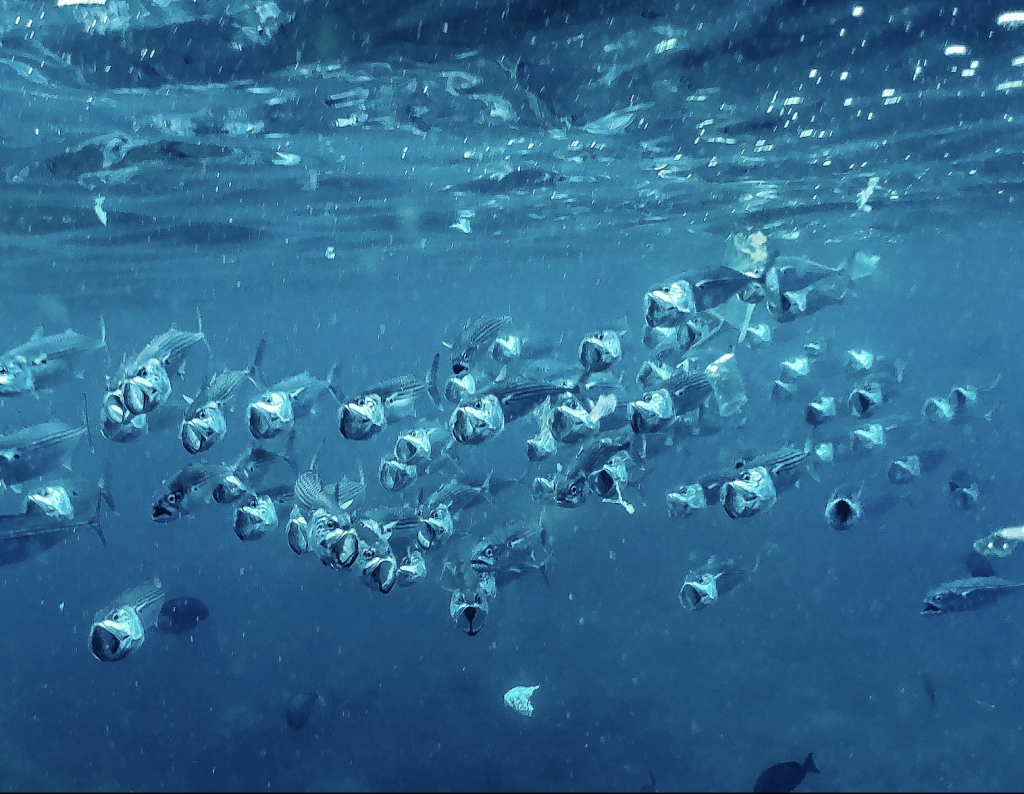
- Food for Marine Megafauna: Atlantic mackerel are a primary food source for a vast array of marine life, including cod, hake, tuna, sharks, marine mammals (such as dolphins, porpoises, and various whale species), and seabirds (such as puffins, gannets, and gulls).
- Ecosystem Ripple Effects: The depletion of mackerel directly impacts the nutritional health and reproductive success of these predators. When mackerel populations crash, seabird breeding colonies experience mass starvation events, and larger marine predators are forced to alter their foraging behaviors, leading to wider ecological imbalances throughout the North Atlantic ecosystem.
Economic Value and Industrial Scale
The North Atlantic mackerel fishery is one of the most lucrative in the world, generating billions of dollars in export revenue, particularly driven by high-demand markets in Asia (especially Japan, where Atlantic mackerel is a culinary staple) and Eastern Europe.
Modern fishing fleets operating in these waters are engineering marvels of efficiency. Factory freezer vessels—some stretching over 100 meters in length—can catch, process, freeze, and package thousands of tons of fish at sea without ever needing to dock. While highly profitable for corporate fishing conglomerates, this hyper-efficient extraction capacity has completely outpaced the biological replacement rate of the species.
Official Statements and Perspectives
The mackerel crisis is defined by a deep ideological divide between conservationists, scientists, and the commercial fishing industry.
The Conservationist View: A Clarion Call
Speaking on the current crisis, Jonny Hughes, Fisheries Policy Lead at the Blue Marine Foundation, laid bare the reckless nature of the ongoing dispute:
"The mackerel population has been in a major decline for 10 years, dropping by more than 10 million tons due to aggressive overfishing. Norway, Denmark, Iceland, the UK, the EU and Russia are fighting over what’s left, despite warnings from scientists that the current catch rates will lead to the complete collapse of the fishery."
Hughes’s assessment underscores the absurdity of the current political standoff. Rather than acknowledging the finite nature of the resource and curtailing efforts to match declining biomass, sovereign nations are accelerating their extraction efforts, behaving like heirs squandering a fading inheritance.
The Scientific Consensus: ICES Warnings Ignored
The International Council for the Exploration of the Sea (ICES), which provides peer-reviewed scientific advice to governments, has repeatedly issued red alerts regarding North Atlantic pelagic stocks. ICES scientists emphasize that management frameworks are fundamentally flawed because they treat political compromises as ecological limits. When scientists advise a 40% reduction in catches to halt population decline, politicians often negotiate a compromise of a 15% reduction, effectively guaranteeing continued stock degradation under the guise of "making concessions."
The Industry and Political Stance: Sovereignty and Economics
Conversely, representatives from commercial fishing associations and government fisheries ministries often defend their positions through the lens of national sovereignty and economic protectionism. Governments argue that they have a duty to protect local fishing communities and processing jobs.
Furthermore, nations like Iceland and the Faroe Islands maintain that their historical exclusion from equitable quota shares justified their initial unilateral actions. They argue that as long as fish are swimming in their economic exclusion zones (EEZs), they have an inherent sovereign right to harvest them—regardless of historical distribution patterns or broader international agreements. This defense of absolute national sovereignty over a highly migratory, transnational swimming resource remains the single greatest barrier to effective management.
Future Outlook: Can the Mackerel Be Saved?
As the "mackerel wars" drag on into the mid-2020s, the window for meaningful intervention is rapidly closing. Without a radical paradigm shift in how marine resources are governed in the North Atlantic, the fishery faces a trajectory eerily reminiscent of the infamous collapse of the Northwest Atlantic cod fishery in the early 1990s—a catastrophe that devastated communities and from which ecosystems have never fully recovered.
Pathways to Recovery
Marine biologists, international law experts, and conservation NGOs agree that saving the Atlantic mackerel requires several urgent, non-negotiable steps:
- Adoption of Science-Based Total Allowable Catches (TACs): All coastal states and distant-water fishing nations must immediately subordinate political and industrial lobbying to the independent scientific advice of ICES. Quotas must be set at or below sustainable mortality levels, even if it requires short-term economic pain.
- Comprehensive Multi-Lateral Treaty: Fragmented bilateral agreements are no longer sufficient. A comprehensive, legally binding treaty involving the UK, EU, Norway, Iceland, the Faroe Islands, and Russia must be negotiated to distribute quota shares fairly based on modern ecological realities and climate-driven migration patterns.
- Sanctions and Market Pressures: If nations continue to act as rogue actors—setting unsustainable unilateral quotas—import restrictions and eco-labeling suspensions (such as revoking Marine Stewardship Council [MSC] certification, which mackerel has previously lost and struggled to maintain) must be rigorously applied to close lucrative international markets to overfished products.
- Ecosystem-Based Fisheries Management (EBFM): Management must evolve beyond single-species optimization. Regulators must account for the predator-prey relationships of mackerel, factoring in climate change projections, ocean acidification, and the broader health of the North Atlantic marine ecosystem.
Conclusion
The story of the Atlantic mackerel is a test of modern international diplomacy and environmental stewardship. It asks a fundamental question: Can sovereign nations cooperate to manage a shared global common, or are short-term nationalist impulses destined to destroy shared natural wealth?
Unless Norway, Denmark, Iceland, the UK, the EU, and Russia step back from the brink, put down their political weapons, and heed the stark warnings of scientists like those at the Blue Marine Foundation, the magnificent schools of North Atlantic mackerel will become yet another cautionary tale of human greed outstripping ecological limits. The wars over what is left of the mackerel will not end in victory for any nation; they will end in an empty ocean.